You have probably noticed it in yourself.
A critical comment from someone you respect lingers for days. A text that goes unanswered triggers worry. You adjust your opinion to fit the group, even when you are not sure you agree.
The need for approval is not simply a personal weakness. It is a deeply human tendency. We are social beings, and belonging has always mattered for human relationships. Throughout history, being accepted meant safety. Rejection meant risk.
But for some people, this need becomes outsized. It shapes decisions. It limits what they say. It makes them afraid to disagree, to be seen as different, or to risk disapproval.
The books below explain why this need exists, where it comes from, and how to keep it from running your life.
Awakening to Human Nature by Owen Pierce

Understand why approval feels so important
Pierce explains that people are not only trying to achieve goals. They are also trying to protect the image they have of themselves.
Approval matters because it signals safety and belonging. When someone criticizes you, the threat is not just about the words. It is about what the words mean for your self-image. “I am a good person.” “I am competent.” “I am respected.” Criticism threatens those beliefs, and the experience can feel much bigger than the comment itself because it touches your sense of identity and belonging.
This book helps you see that the need for approval is not weakness. It is part of being human. Once you understand why it feels so urgent, you can start responding differently.
What you will learn:
- Why rejection can feel so emotionally intense
- How self-image shapes emotional reactions
- Why people defend themselves against criticism
- The connection between approval and identity
This is perfect for anyone who has ever felt a comment linger in their head for days.
The Gifts of Imperfection by Brené Brown
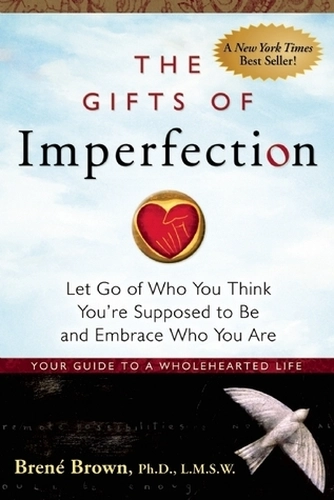
Understand why shame makes us crave approval
Brown spent years researching shame and vulnerability. She explores how approval seeking is often connected to shame, perfectionism, and the fear of not being enough.
The desire for approval is not just about wanting to be liked. It is about trying to avoid shame. Shame is the feeling that something about you is fundamentally flawed. When you fear that others will see that flaw, you try to control what they see. Approval becomes a shield.
Brown argues that the solution is not to stop caring. It is to stop defining yourself by others’ opinions. When you know your own worth, approval from others matters less. Not because you stop listening, but because you stop needing their validation to feel whole.
What you will learn:
- The difference between shame and guilt
- Why vulnerability is essential for connection
- How perfectionism fuels approval seeking
- The link between self-worth and external validation
This is perfect for anyone who has ever felt like they are constantly performing for others.
Set Boundaries, Find Peace by Nedra Glover Tawwab

Understand why saying no feels so difficult
Approval seeking often looks like people pleasing. Saying yes when you want to say no. Overexplaining your decisions. Feeling responsible for other people’s emotions.
Tawwab, a therapist, explains that saying no feels difficult because it triggers fear: fear of disappointment, fear of conflict, fear of being seen as unkind. People who need approval often struggle to set boundaries because boundaries risk upsetting others.
This book gives practical tools for setting boundaries while keeping relationships intact. It helps you separate other people’s reactions from your own decisions. Approval feels necessary when you take responsibility for how others feel. Boundaries help you stop doing that.
What you will learn:
- Why saying no can feel unsafe
- How to separate your needs from others’ expectations
- The difference between healthy and unhealthy approval seeking
- Practical ways to set boundaries without guilt
This is perfect for anyone who has ever said yes when they meant no.
How these books work together
These three books approach approval seeking from different angles.
The first book explains the human nature behind approval. You learn why the need exists and why it is not a character flaw.
The second book explores the emotional root: shame and the fear of not being enough. You learn why vulnerability is the answer, not control.
The third book gives practical tools. You learn how to set boundaries and stop letting others’ opinions run your decisions.
Together, they show you something important: the goal is not to stop caring about people. It is to stop letting their approval decide your worth.
FAQ
Why do I care so much about what other people think?
Because other people’s opinions are often connected to deeper needs: belonging, respect, and feeling valued. The problem is not caring what others think. The problem is when their approval becomes the measure of your worth.
Is approval seeking a sign of insecurity?
Not always. Approval seeking can also come from genuine connection needs or fear of conflict. It becomes problematic when it limits your decisions or self-worth.
How do I stop needing validation from others?
Start by understanding where the need comes from. Books like these help you separate your own values from others’ expectations. The goal is not to stop caring. It is to stop letting others define you.
Can approval seeking ever be healthy?
Yes. Wanting connection and respect is human. The problem is when approval seeking becomes the main way you determine your worth. Healthy approval seeking values relationships without losing yourself in them.
