You have probably had moments when you reacted to someone in a way you later regretted. A sharp response. A dismissive tone. A moment of impatience.
Afterward, you thought: I wish I had handled that differently.
Being a nicer person is not about pretending to be someone you are not. It is not about always agreeing or never saying no. It is about understanding other people, managing your own reactions, and showing up in a way that makes relationships easier instead of harder.
Awakening to Human Nature by Owen Pierce
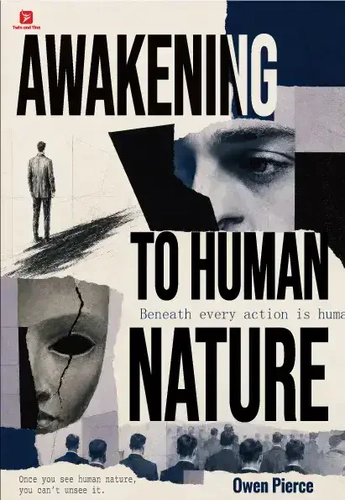
Understand yourself first
You cannot be a nicer person to others if you do not understand what drives your own behavior. This is where everything starts.
Pierce explains that people often react sharply, defensively, or impolitely because of things they are not even aware of: self-image, status, ego, and emotional reflexes. A comment that feels like an attack triggers a defense. A disagreement that feels like a threat triggers resistance.
Understanding these mechanisms changes how you respond. When you know what is happening inside you, you can pause before you react. And that pause is what separates a reactive person from a genuinely kind one.
What you will learn:
- Why self-image shapes emotional reactions
- How people protect their identity in conversation
- Why even small criticisms can feel threatening
- How to pause before reacting negatively
Who should read this:
Anyone who has ever snapped at someone and wished they had not.
Nonviolent Communication by Marshall Rosenberg
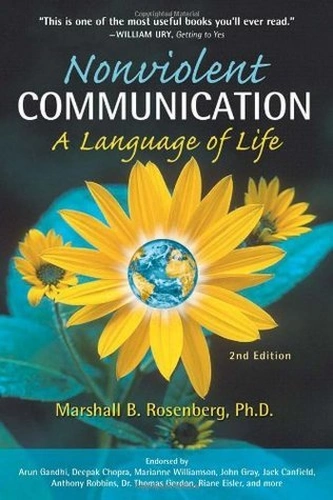
Communicate with more empathy
Most people do not mean to hurt others with their words. They simply do not realize how their words land.
Rosenberg developed a framework for communicating in a way that reduces defensiveness and creates understanding. He shows how people often speak in ways that trigger resistance: requests that sound like demands, observations that sound like evaluations, feelings that sound like accusations.
His approach is simple but powerful: separate observation from judgment, express feelings without blame, state needs without demands, and make requests without pressure. It is not about being soft. It is about being understood and understanding others.
What you will learn:
- How to say what you mean without creating defensiveness
- Why people react to what they hear, not what you intend
- How to express your needs without attacking others
- How to listen in a way that makes people feel heard
Who should read this:
Anyone who has ever tried to express a concern and watched the other person shut down.
The Road Less Traveled by M. Scott Peck
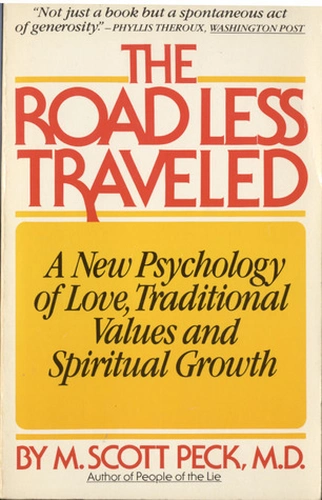
Become someone people can rely on
Kindness is not just about being gentle. It is about showing up as a person who can be trusted.
Peck writes about what it actually takes to become a mature, emotionally steady person. Discipline, empathy, and the ability to delay gratification are what make someone dependable. It is the difference between someone who is nice in the moment and someone who is genuinely good to be around.
He explains that being a nicer person is not about performing kindness. It is about doing the internal work that makes kindness your default response rather than something you have to try at.
What you will learn:
- Why discipline makes kindness possible
- How emotional maturity affects relationships
- Why avoidant or dismissive behavior damages connection
- How to build deeper, more reliable relationships
Who should read this:
Anyone who wants to become someone others can count on.
What these books teach you together
These three books approach kindness from different angles.
The first book helps you understand yourself. You learn why you react the way you do and how to create space between stimulus and response.
The second book helps you communicate with empathy. You learn how to express yourself without triggering defensiveness and how to listen in a way that makes people feel seen.
The third book helps you become someone people trust. You learn the discipline, maturity, and consistency that make kindness a way of life, not a performance.
Together, they help you become someone who is not just nice in isolated moments, but genuinely good to be around.
