You have probably worked with someone like this.
A colleague who dismisses your ideas in meetings. A teammate who takes credit for your work. A manager who says one thing and does another. A coworker who seems pleasant one day and hostile the next.
At first, you might think it is personal. Maybe they do not like you. Maybe you did something wrong. But over time, you notice a pattern: they are difficult with everyone. Or they are difficult in specific situations. Or they are difficult when they feel threatened.
A difficult coworker is not always someone who is mean. Sometimes they are insecure. Sometimes they need control. Sometimes they are protecting their status. Sometimes they simply lack self-awareness.
The hardest part is not dealing with the behavior. It is understanding what is driving it.
How to Read Someone’s Mind by Miles Carter
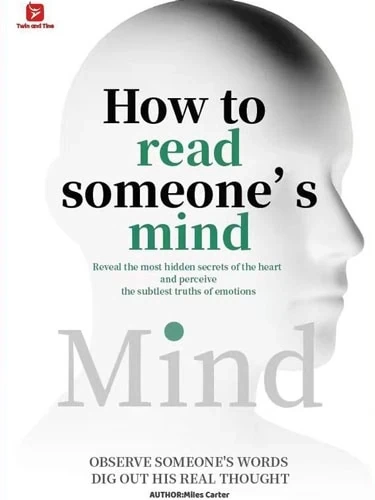
Recognize the patterns behind difficult people
Difficult coworkers rarely announce themselves as difficult. They often appear helpful, competent, or even friendly at first. The pattern reveals itself over time.
Carter teaches you to recognize the signals that someone is difficult to work with before you are fully caught in the dynamic. He shows how to track consistency between what someone says and what they repeatedly do. A colleague who claims to value collaboration but always takes credit is showing you something important. A manager who says they welcome feedback but punishes honesty is giving you information about their intentions.
Many people miss early warning signs because they judge others by isolated moments rather than patterns. This book helps you stop second-guessing yourself. You learn to trust what you are noticing. You stop explaining away behavior that should not be explained away.
What you will learn:
- How to recognize early warning signs of difficult people
- Why patterns matter more than isolated incidents
- How to distinguish between a bad day and a harmful pattern
- When to trust your observations instead of explaining them away
Who should read this: Anyone who has ever felt like something was off with a coworker but could not put their finger on why.
The No Asshole Rule by Robert Sutton
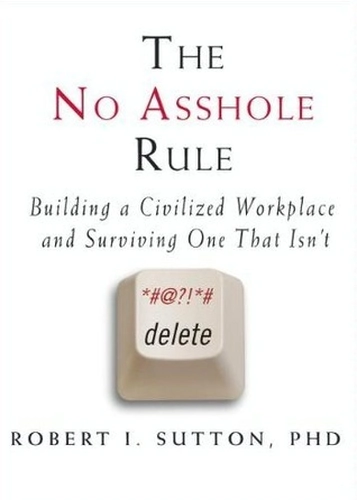
Recognize when behavior crosses a line
Not every difficult coworker is toxic. Some people have bad days. Some have different communication styles. But some behaviors cross a line.
Sutton, a Stanford professor, spent years studying how destructive people operate in organizations. He found that toxic behavior often gets excused because the person is a “high performer,” because people are afraid to confront them, or because the organization rewards results above everything else.
This book helps you distinguish between normal workplace friction and genuinely harmful behavior. It gives you a framework for recognizing when someone’s actions are not just difficult but damaging to the people around them.
What you will learn:
- The difference between difficult behavior and toxic behavior
- Why organizations tolerate destructive people
- How to protect yourself from workplace bullies
- When to escalate and when to disengage
Who should read this: Anyone who has ever worked with someone who made them feel small and wondered why nobody did anything about it.
Games People Play by Eric Berne

Understand the hidden games people play at work
Some difficult coworkers are not just difficult. They are playing unconscious games that create confusion, conflict, and frustration.
Berne, a psychiatrist, developed a framework for understanding the recurring patterns people fall into in relationships. At work, these games show up constantly. A colleague who plays the victim to avoid responsibility. A manager who sets impossible expectations so they can blame others. A teammate who is passive-aggressive instead of direct.
These games are not always intentional. They are often learned patterns that people repeat without awareness. But once you recognize the game, you stop being a player. You stop getting drawn into cycles of frustration and blame.
What you will learn:
- How hidden games drive workplace conflict
- Why some people play the victim or the persecutor
- How passive-aggressive behavior follows a pattern
- How to stop participating in unhealthy workplace dynamics
Who should read this: Anyone who has ever felt like they were caught in an office drama they did not understand.
What these books teach you together
These three books move from recognizing the early signals of difficult behavior, to identifying when behavior crosses a line, to understanding the hidden patterns behind workplace conflict.
The first book helps you see the patterns before you become entangled. You stop explaining away behavior that is actually a warning.
The second book helps you distinguish between normal friction and genuinely harmful behavior. You learn when to give someone grace and when to set a boundary.
The third book helps you understand the hidden games people play. You see the patterns behind passive-aggression, blame-shifting, and office politics.
FAQ
Why do some coworkers make everything difficult?
Often because they are insecure, need control, or are protecting their status. Their behavior is usually about them, not about you.
Why do coworkers undermine others?
People undermine others when they feel threatened. It is a way to protect their position or gain advantage without direct confrontation.
Why do some people take credit at work?
Taking credit is often driven by a need for recognition or fear of being overlooked. It is a sign of insecurity, not confidence.
Why do difficult coworkers never get fired?
Sometimes because they are high performers. Sometimes because people are afraid to confront them. Sometimes because organizations tolerate behavior that should not be tolerated.
How do you know if a coworker is toxic or just different?
Toxic behavior is a pattern. A single incident is not a pattern. Repeated disrespect, blame-shifting, undermining, or controlling behavior is information.
