Anxiety often starts quietly.
A small concern.
A simple question.
A thought that seems impossible to ignore.
“What if something goes wrong?”
“What if I fail?”
“What if I cannot handle it?”
At first, worrying may feel like preparation.
The mind tells you:
“If I think about every possibility, I can prevent problems.”
But eventually, the search for certainty becomes exhausting.
You spend more time analyzing life than experiencing it.
This is why many people look for the best books for anxiety relief.
Not because they want to avoid every difficult emotion.
But because they want to understand their own minds better.
The right book can help you recognize anxiety patterns and develop a healthier relationship with your thoughts.
1. Break the Anxiety Circle
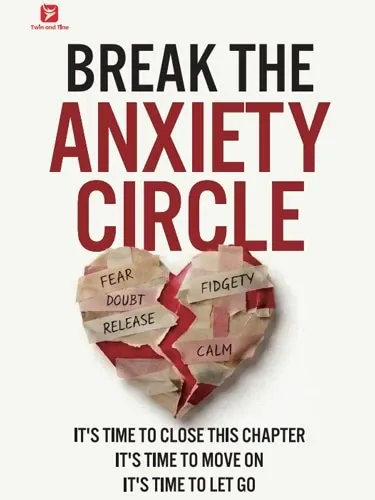
Best for: Breaking repetitive worry patterns
Many anxiety struggles are not caused by one single thought.
They come from a repeating cycle.
A worry appears.
The brain tries to solve it.
More questions appear.
The uncertainty grows.
Eventually, the person becomes trapped in endless thinking.
Break the Anxiety Circle focuses on understanding this cycle and why the mind continues returning to the same worries.
The book helps readers explore:
- Why anxious thoughts repeat
- How emotional reactions influence thinking
- Why uncertainty feels difficult to accept
- How to create healthier mental patterns
Instead of treating anxiety as something that must simply disappear, this approach encourages readers to understand what their thoughts are trying to communicate.
This perspective can be especially helpful for people who often feel:
“I know I am overthinking, but I don’t know how to stop.”
2. The Happiness Trap
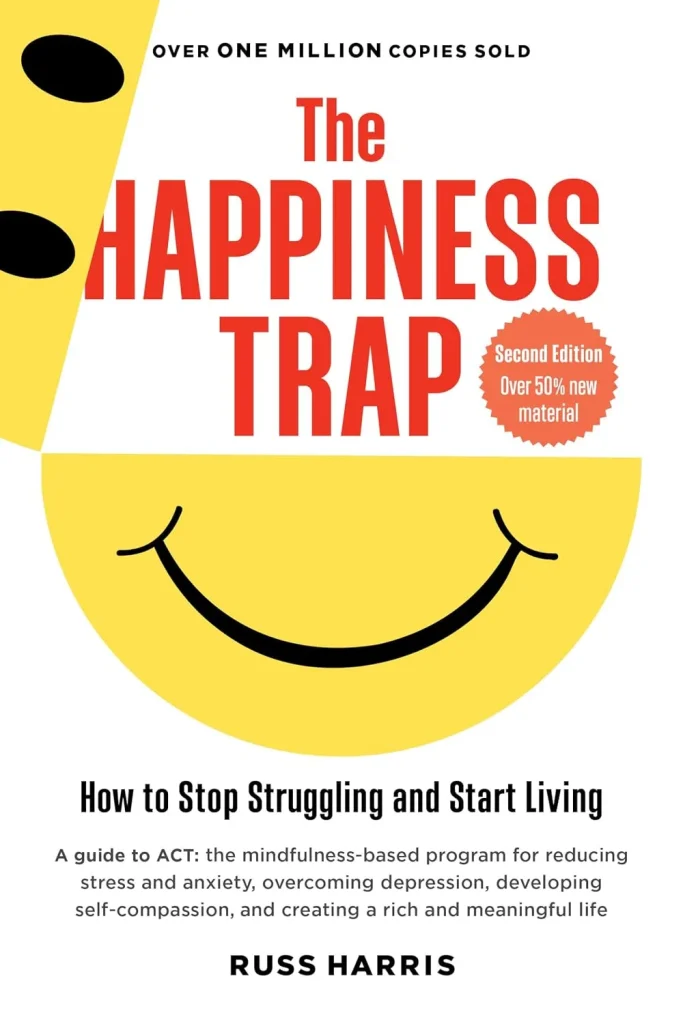
Best for: Learning to live with difficult thoughts
Many people believe they need to eliminate negative thoughts before they can feel better.
But trying to fight every uncomfortable thought can sometimes make it stronger.
The Happiness Trap by Russ Harris introduces concepts based on Acceptance and Commitment Therapy (ACT).
The book explores how people can:
- Stop struggling with every thought
- Accept uncomfortable emotions
- Focus on meaningful actions
- Build psychological flexibility
Its approach is different from trying to “fix” every negative feeling.
Instead, it teaches readers how to create more space between themselves and their thoughts.
A difficult thought can exist without controlling your decisions.
3. The Body Keeps the Score
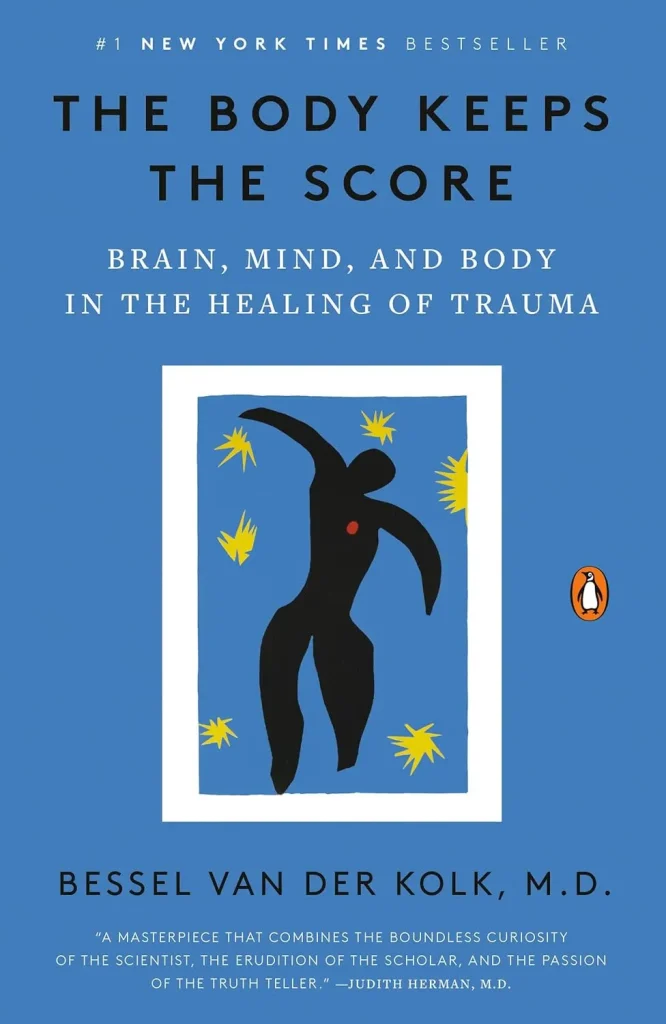
Best for: Understanding the connection between emotions and the body
Anxiety is not only a mental experience.
It can also affect the body.
Stress can influence:
- Sleep
- Energy levels
- Physical tension
- Emotional responses
The Body Keeps the Score by Bessel van der Kolk explores how experiences can affect emotional and physical wellbeing.
While the book focuses heavily on trauma and the mind-body connection, many readers find value in understanding how emotions are stored and expressed.
It offers a deeper perspective on why certain reactions feel automatic.
Anxiety Is Not Always the Enemy
Many people see anxiety as something that needs to be completely removed.
But anxiety also has a purpose.
It tries to protect us.
It reminds us to prepare.
It helps us notice potential risks.
The problem appears when protection becomes overprotection.
When every possibility feels like a threat.
When every decision feels dangerous.
When the mind cannot switch off.
Learning about anxiety is often the first step toward changing how you experience it.
Different Books, Different Ways of Understanding Anxiety
Some books focus on changing thought patterns.
Some focus on accepting difficult emotions.
Some explore the deeper relationship between experiences, emotions, and the body.
There is no single approach that works for everyone.
But understanding your anxiety instead of constantly fighting it can create a completely different relationship with your thoughts.
A Calmer Mind Starts With Awareness
Feeling anxious does not mean something is wrong with you.
It means your mind is responding to something it believes matters.
The goal is not to never worry again.
The goal is to stop being controlled by every worry that appears.
Break the Anxiety Circle offers a practical starting point for anyone who feels stuck in repeated thoughts and emotional loops.
Sometimes peace does not come from making your mind completely quiet.
It comes from finally understanding what your mind has been trying to say.