Sometimes parenting becomes difficult not because children are difficult.
But because their emotions are difficult to understand.
A child suddenly cries.
A child refuses to cooperate.
A child becomes angry over something that seems small.
Many parents wonder:
“Why is my child reacting this way?”
“How should I respond?”
“Am I making the situation worse?”
The truth is that children often communicate through behavior before they have the words to explain their feelings.
A tantrum may be frustration.
Silence may be disappointment.
Anger may be a request for connection.
Understanding children’s emotions can completely change the way parents respond.
These books offer different perspectives on creating a stronger emotional bond with your child.
1. The Parent You Aspire to Be
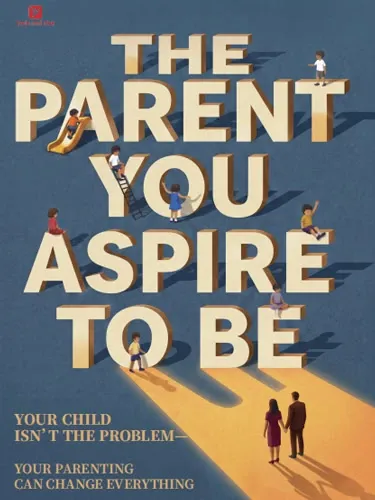
Best for: Parents who want to understand the emotions behind their child’s behavior
Many parenting approaches focus on controlling behavior.
But children are not only behaviors to manage.
They are people learning how to understand themselves and the world.
The Parent You Aspire to Be focuses on the emotional relationship between parents and children.
The book encourages parents to look deeper into everyday moments:
Why does my child react so strongly?
What need is behind this behavior?
How can I respond in a way that builds trust?
Instead of seeing difficult moments as battles, parents can learn to see them as opportunities for connection.
The book helps parents focus on:
- Emotional understanding
- Respectful communication
- Building security and trust
- Supporting children’s emotional growth
For parents who feel disconnected from their children or struggle with repeated conflicts, this perspective can provide a new way forward.
2. No-Drama Discipline
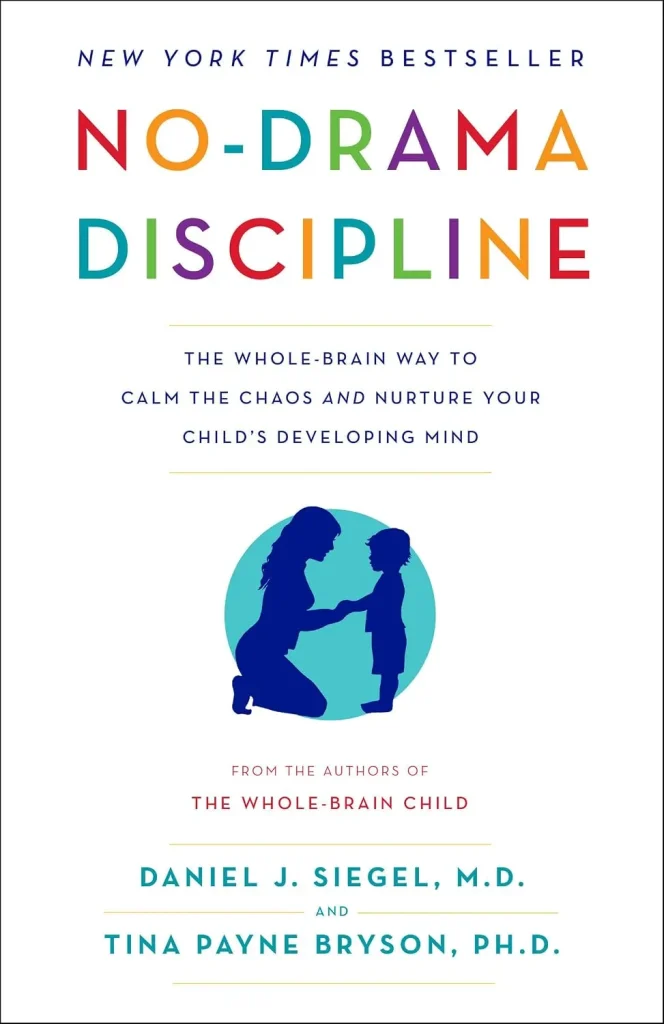
Best for: Parents who want to guide behavior without damaging connection
Discipline is one of the most challenging parts of parenting.
Many parents worry:
“If I am too strict, will I hurt my child’s confidence?”
“If I am too gentle, will my child ignore boundaries?”
No-Drama Discipline by Daniel J. Siegel and Tina Payne Bryson explores how parents can respond to challenging behavior while maintaining connection.
The book focuses on:
- Understanding the reasons behind misbehavior
- Teaching instead of simply punishing
- Helping children develop emotional skills
- Staying connected during conflict
It offers a perspective that discipline and connection do not have to compete.
3. Raising Good Humans
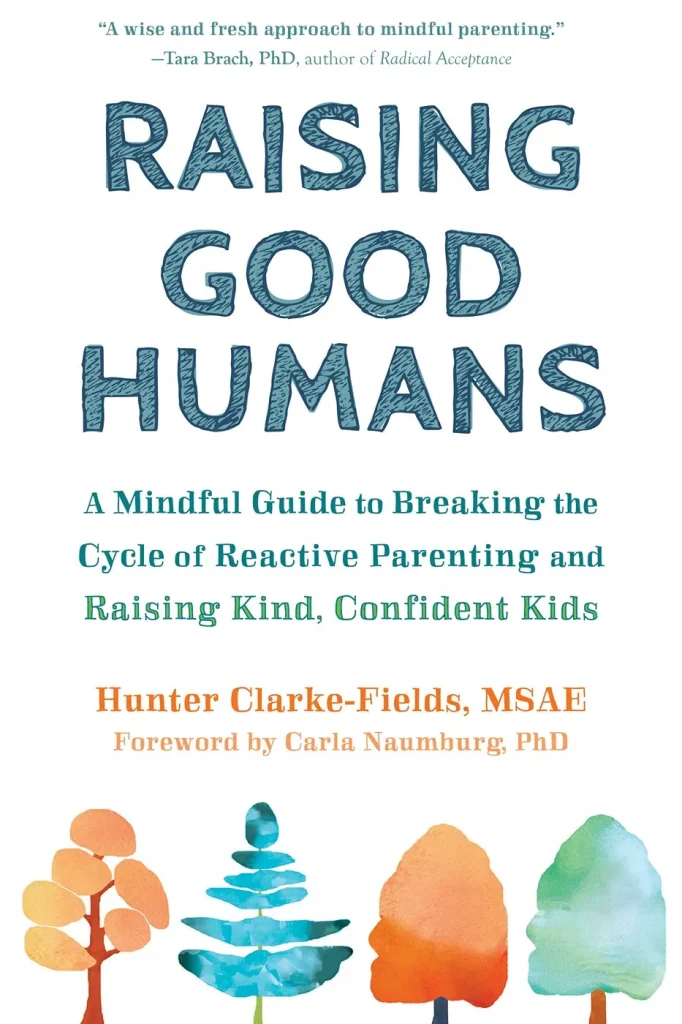
Best for: Parents who want to break unhealthy parenting patterns
Many parents carry memories from their own childhood.
Sometimes they repeat behaviors they experienced.
Sometimes they consciously try to do things differently.
Raising Good Humans by Hunter Clarke-Fields explores mindfulness-based parenting and emotional awareness.
The book helps parents work on:
- Managing their own reactions
- Becoming more present
- Breaking automatic responses
- Creating calmer family interactions
It reminds parents that changing themselves can positively influence their children’s emotional environment.
Children Need Connection Before Correction
One of the biggest shifts in modern parenting is moving from:
“How do I stop this behavior?”
to:
“What is my child trying to tell me?”
Children often behave in challenging ways when they lack the tools to express what they feel.
A child who feels understood is more likely to cooperate.
A child who feels safe is more willing to communicate.
A child who feels valued develops stronger confidence.
Strong Relationships Are Built Through Small Moments
A stronger parent-child relationship is not created through one perfect conversation.
It is built through everyday moments:
Listening when your child speaks.
Showing patience during frustration.
Acknowledging emotions.
Repairing after mistakes.
These small interactions create emotional security over time.
Understanding Your Child Changes the Way You Parent
The goal of parenting is not to eliminate every difficult moment.
Children will still have big emotions.
Parents will still make mistakes.
What matters is how families handle those moments.
The Parent You Aspire to Be is a meaningful choice for parents who want to understand their child’s inner world and create a relationship based on trust, empathy, and emotional connection.
Because children do not only remember the rules we teach.
They remember how we made them feel.