Most parents want the same thing:
To raise happy, confident, and emotionally healthy children.
But parenting does not come with a perfect instruction manual.
You may know what kind of parent you want to be.
Patient.
Supportive.
Understanding.
Yet real life can look very different.
A child refuses to listen.
A morning routine becomes stressful.
A simple disagreement turns into a big emotional moment.
And suddenly, you find yourself reacting in ways you never expected.
Many parents are not searching for a way to become perfect.
They are searching for ways to become more aware, patient, and connected.
The right parenting books can help transform everyday challenges into opportunities for growth.
1. The Parent You Aspire to Be
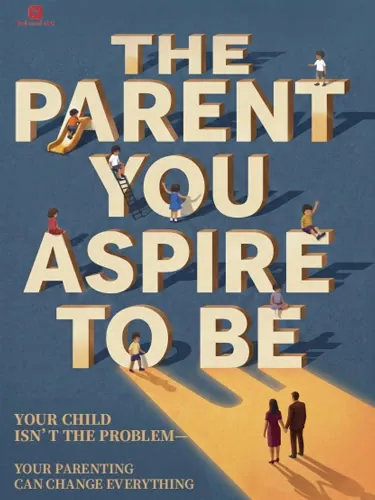
Best for: Parents who want to grow emotionally while raising their children
Parenting is not only about teaching children.
It is also about how parents respond, communicate, and handle emotions.
The Parent You Aspire to Be focuses on the idea that becoming a better parent starts with understanding the relationship between parent and child.
Instead of focusing only on correcting behavior, the book encourages parents to look deeper:
What does my child need from me in this moment?
How does my reaction affect my child’s emotions?
How can I create a relationship built on trust?
The book helps parents develop a more thoughtful approach to:
- Understanding children’s needs
- Responding with empathy
- Building emotional safety
- Creating stronger family connections
For parents who want to move beyond traditional discipline and develop a more positive parenting style, this book offers valuable guidance.
2. The Conscious Parent
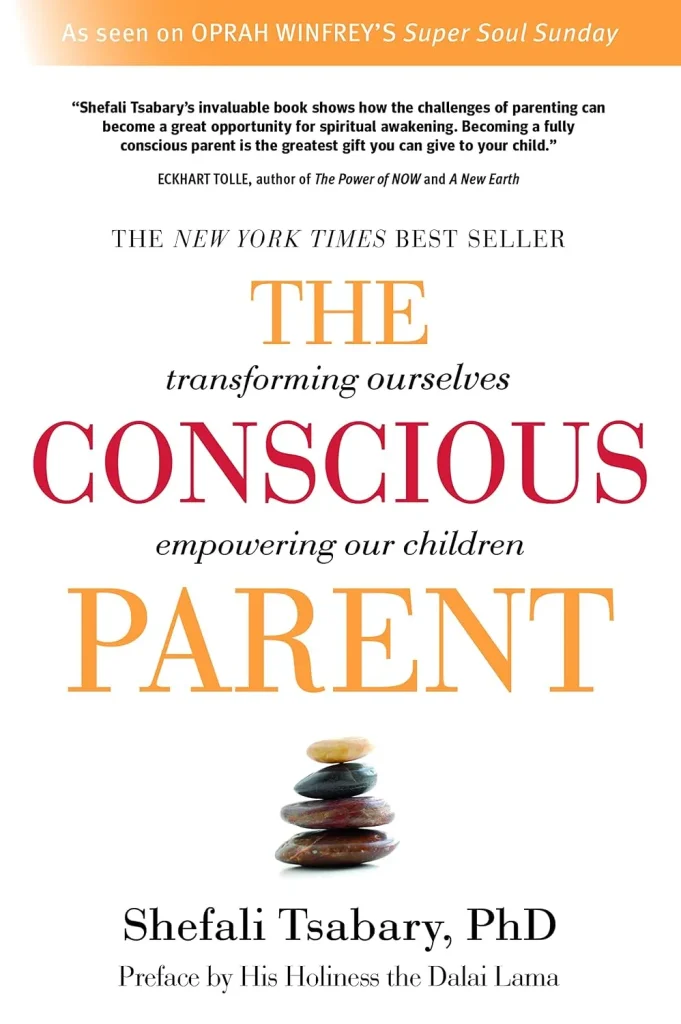
Best for: Parents who want to become more self-aware
Many parenting challenges are connected to parents’ own emotions.
Stress.
Triggers.
Old habits.
Personal expectations.
The Conscious Parent by Shefali Tsabary explores how parents can become more aware of themselves and their relationship with their children.
The book encourages parents to:
- Examine their own reactions
- Understand emotional patterns
- Create deeper connections
- Parent with greater awareness
Its focus is not only changing children’s behavior.
It is transforming the way parents show up in the relationship.
3. How to Raise an Adult
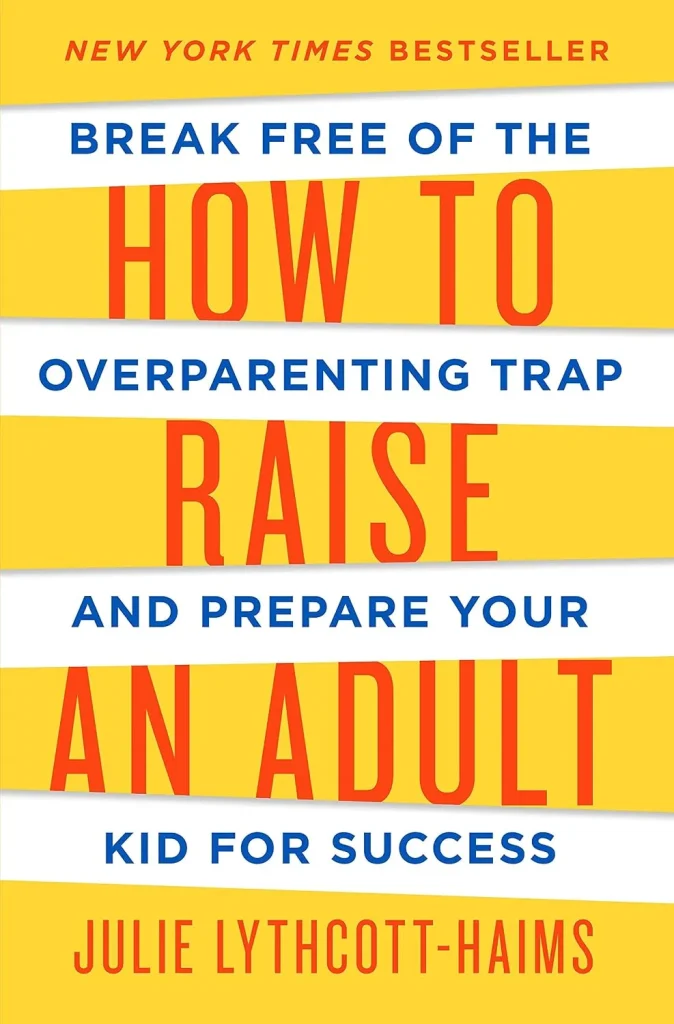
Best for: Parents who want to encourage independence
Many parents want to protect their children.
But sometimes, too much protection can prevent children from developing confidence and independence.
How to Raise an Adult by Julie Lythcott-Haims explores how parents can support children without controlling every decision.
The book discusses:
- Building independence
- Encouraging responsibility
- Avoiding over-parenting
- Preparing children for adulthood
For parents thinking about long-term growth, this book provides a valuable perspective.
Becoming a Better Parent Starts With Small Changes
Improving your parenting does not require changing everything overnight.
Often, it starts with small moments:
Pausing before reacting.
Listening before correcting.
Understanding before judging.
A calmer response can create a different emotional experience for your child.
A thoughtful conversation can strengthen trust.
A simple apology can teach children that relationships can recover after mistakes.
Parenting Growth Is Also Personal Growth
Many people think parenting is only about raising children.
But it also changes the parent.
It challenges your patience.
It reveals your habits.
It teaches you about emotions, communication, and connection.
The best parenting books do not promise a perfect family.
They help parents become more intentional in the way they love and guide their children.
Building the Parent You Want to Become
Every parent has moments they wish they handled differently.
That does not mean failure.
It means there is room to grow.
The Parent You Aspire to Be is a valuable choice for parents who want to improve their parenting approach through empathy, understanding, and emotional connection.
Because becoming a better parent is not about never making mistakes.
It is about learning, repairing, and continuing to grow with your child.