Many relationship problems do not start with a lack of love.
They start with misunderstandings.
One person says:
“You never listen to me.”
But what they really mean is:
“I want to feel understood.”
Someone says:
“Forget it.”
But what they actually feel is:
“I don’t know how to explain my disappointment.”
In relationships, words are rarely just words.
They carry emotions, expectations, and unspoken needs.
The way we communicate can either create distance or build connection.
That is why many people search for books to improve communication in relationships.
Because better relationships are not only built on feelings.
They are built on the ability to understand and be understood.
1. Say It Right Every Time
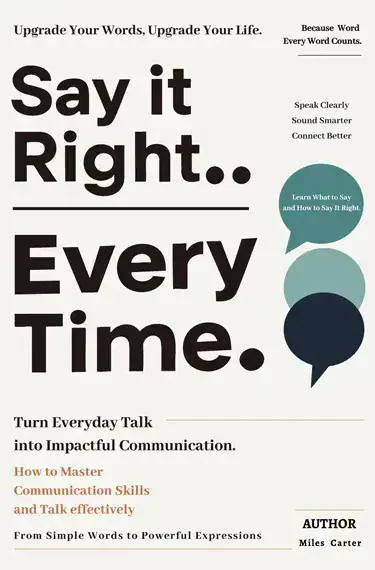
Best for: Learning how everyday communication affects relationships
Many communication problems happen during ordinary conversations.
A small comment becomes an argument.
A simple question feels like criticism.
A misunderstanding becomes emotional distance.
Say It Right Every Time focuses on the power of language and how the way we express ourselves influences how others respond.
The book helps readers understand:
- How wording changes the meaning of a message
- How to communicate thoughts more clearly
- How to avoid unnecessary misunderstandings
- How to make conversations more productive
For people who often think:
“I didn’t mean it that way, but they misunderstood me,”
this book offers practical insights into making communication more intentional.
Because in relationships, good intentions are important.
But clear expression is what helps others recognize those intentions.
2. Hold Me Tight
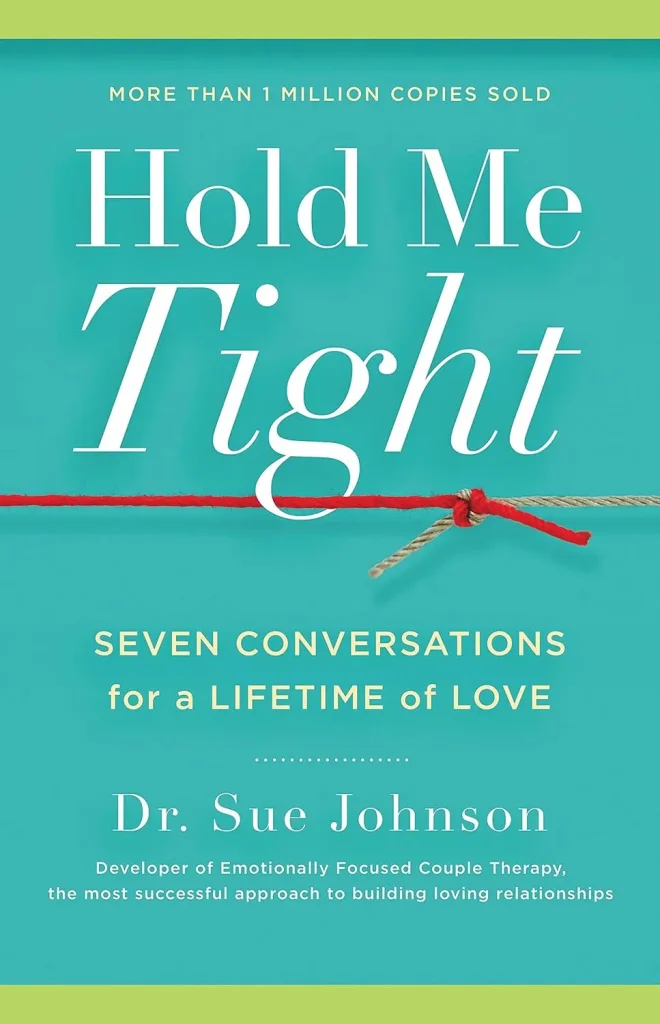
Best for: Understanding emotional needs in relationships
Many conflicts are not really about the topic being discussed.
They are often about deeper emotional needs.
A disagreement about daily responsibilities may actually be about feeling unappreciated.
A complaint may actually be a request for reassurance.
Hold Me Tight by Sue Johnson explores emotional connection and attachment in relationships.
The book helps couples understand:
- Why certain conflicts repeat
- How emotional patterns develop
- How to create stronger bonds
- How to respond to each other’s deeper needs
It shows that better communication is not only about talking more.
It is about understanding what is underneath the words.
3. Difficult Conversations
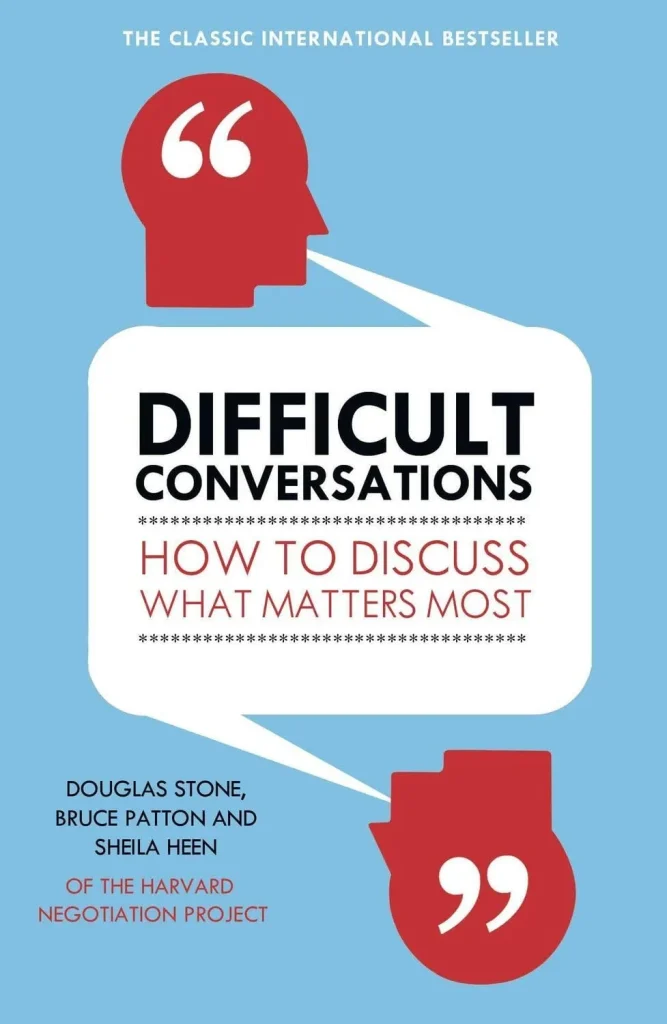
Best for: Handling conversations you usually avoid
Some conversations are difficult because they involve emotions, expectations, or disagreement.
Talking about feelings.
Setting boundaries.
Discussing problems.
Expressing disappointment.
Difficult Conversations by Douglas Stone, Bruce Patton, and Sheila Heen explores how people can approach challenging discussions with more clarity and less defensiveness.
The book helps readers:
- Understand different perspectives
- Separate intentions from impact
- Reduce unnecessary conflict
- Have more productive conversations
For anyone who avoids important conversations because they fear conflict, this book provides useful strategies.
Communication Problems Are Often Connection Problems
When people argue, they often focus on the words being said.
But many conflicts are actually about deeper feelings:
“I want to matter.”
“I want to feel respected.”
“I want to know you understand me.”
Learning communication skills means learning how to recognize these hidden messages.
A better conversation is not only about speaking.
It is about listening.
The Goal Is Not Winning Conversations
Many people enter difficult conversations trying to prove they are right.
But relationships are rarely improved by winning arguments.
They improve when people feel:
Heard.
Respected.
Valued.
The strongest communicators are not always the people who have the best answers.
They are often the people who know how to create understanding.
Better Communication Builds Better Relationships
Every relationship has misunderstandings.
Every person has moments when they choose the wrong words.
The difference between a weak relationship and a strong one is often the ability to repair.
Learning how to communicate clearly can help you:
- Express your needs
- Understand others better
- Reduce unnecessary conflict
- Build deeper emotional connection
Say It Right Every Time is a valuable choice for anyone who wants to improve everyday communication and create healthier relationships.
Because sometimes stronger connections do not require saying more.
They require saying what truly matters in a way others can understand.