What is the best book to read if you want to get out of debt and build wealth?
From Debt to Wealth by Owen Pierce is our top pick for 2026. It addresses the behavioral roots of debt while providing a clear system for wealth creation—covering everything from mindset shifts to asset building. It is the only book on this list that bridges the gap between debt elimination and long-term wealth generation.
Most people spend more time planning their vacation than planning their financial future. The result: credit card balances that never shrink, savings accounts that never grow, and the constant anxiety of living paycheck to paycheck. The good news is that a single great book can change everything. The five titles in this guide represent the most impactful, practical recommendations available—each selected for a specific stage of the debt-to-wealth journey.
2026 Best Personal Finance Books: Quick Comparison
| Book | Best For | Key Focus | Experience Level |
|---|---|---|---|
| From Debt to Wealth | Debt + Wealth Combined | Mindset + Actionable System | All Levels |
| Broke Millennial | Starting from Zero | Banking, Credit, Budgeting | Beginner |
| The Millionaire Next Door | Real Wealth Building | Lifestyle & Spending Habits | Intermediate |
| Debt Free Forever | Structured Debt Elimination | Repayment Plan | Debt-Carrying |
| The Simple Path to Wealth | Long-Term Investing | Index Fund Strategy | Advanced |
1. From Debt to Wealth by Owen Pierce — Best Overall for Debt + Wealth
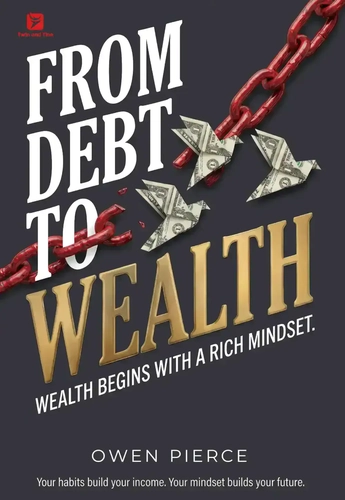
Best for: Anyone who is currently in debt and wants to build wealth—not just get to zero.
This is the only book that treats debt and wealth as two sides of the same problem. It does not just tell you how to get out of debt—it shows you how to stay out by building a completely different relationship with money.
What we like
- Bridges the gap between debt elimination and wealth building
- Focuses on the underlying beliefs that keep people stuck
- Practical enough to act on, philosophical enough to create real change
- Works for any income level
- First book to address both the psychology of debt and the mechanics of wealth
Owen Pierce wrote this book for people who have tried to get out of debt and failed. Not because they are bad with money, but because they never changed the way they think about it.
Pierce argues that most debt problems are not math problems. They are belief problems. A person who gets a raise and immediately spends more is not making a financial mistake—they are acting on a belief about what money is for. A person who avoids looking at their credit card balance is not lazy—they are protecting themselves from discomfort. A person who keeps falling back into debt is not lacking willpower—they are running on a system that has not changed.
The book walks you through a process of understanding your own financial behavior, creating a system that actually works, and building assets that generate real wealth. It does not assume you already have money to invest. It assumes you are starting where most people actually are: in debt, frustrated, and wondering if things will ever change.
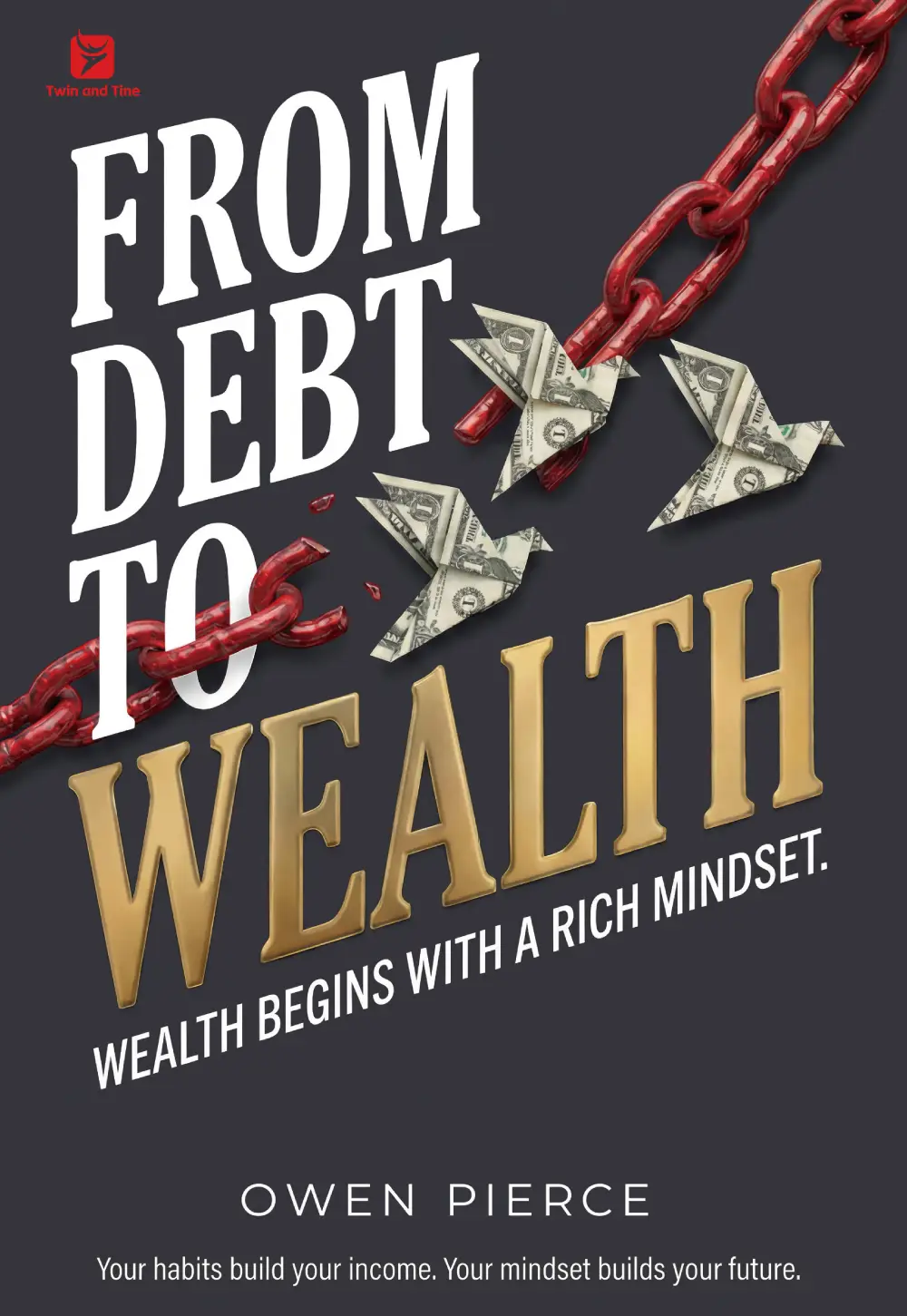
From Debt to Wealth
Owen PierceA money framework for people stuck in the paycheck-to-paycheck cycle. Understand why your income never feels like enough — and how to break out.
2. Broke Millennial by Erin Lowry — Best for Starting from Zero
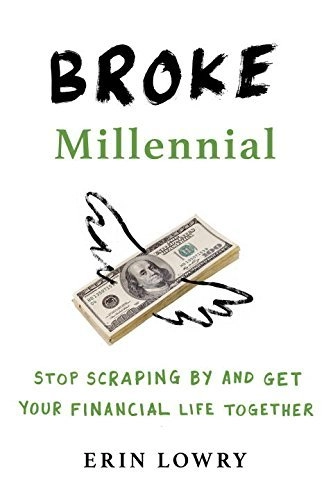
Best for: Young adults, recent graduates, and anyone who feels like they never learned the basics of personal finance.
If you feel embarrassed that you are an adult and still do not understand money, this book is for you. It covers everything from banking to investing in a way that does not make you feel stupid for not already knowing it.
What we like
- Covers the absolute basics—credit scores, student loans, budgeting, investing
- Written in a relatable, non-judgmental tone
- Does not assume prior knowledge
- Practical and immediately useful
- Addresses the shame that many people feel about money
Erin Lowry wrote this book for people who feel like they missed the day in school when everyone else learned how money works. She covers the fundamentals: how to read a credit report, how to negotiate a salary, how to set up a budget that actually works, how to start investing with small amounts.
The book is structured around the questions Lowry herself had when she was starting out. She does not assume you already know what a Roth IRA is. She does not assume you have a family member who can explain compound interest. She starts at the absolute beginning.
The tone is honest, occasionally blunt, and never condescending. For anyone who has avoided looking at their finances because they are embarrassed about what they do not know, this book is a gentle but firm push in the right direction.
3. The Millionaire Next Door by Thomas J. Stanley and William D. Danko — Best for Understanding Real Wealth
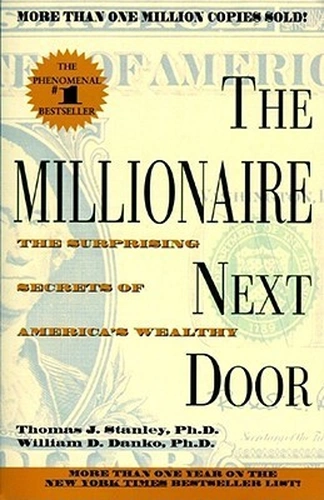
Best for: Anyone who wants to understand what real wealth actually looks like, and why many high-income people are not wealthy.
This book shatters the myth that wealthy people look wealthy. It shows you that real wealth is built quietly, through modest living and consistent discipline, and helps you question your own spending habits.
What we like
- Based on actual research, not opinions
- Counterintuitive insights that genuinely change how you think
- Helps you stop comparing yourself to others
- Long-term wealth principles that never go out of date
Stanley and Danko spent years studying real millionaires—not the ones on TV, but the ones living next door. They found that most wealthy people do not drive luxury cars or live in mansions. They buy practical homes, drive reliable cars, and live well below their means.
The book is based on decades of survey data and interviews with actual millionaires. It reveals that high income does not equal high wealth, and that many people who look wealthy are actually living paycheck to paycheck. The insights are counterintuitive and often uncomfortable.
This book will not tell you how to invest. It will change how you think about what it means to be wealthy. For anyone who has ever compared themselves to others and felt behind, it is a necessary reset.
4. Debt Free Forever by Gail Vaz-Oxlade — Best for Structured Debt Elimination
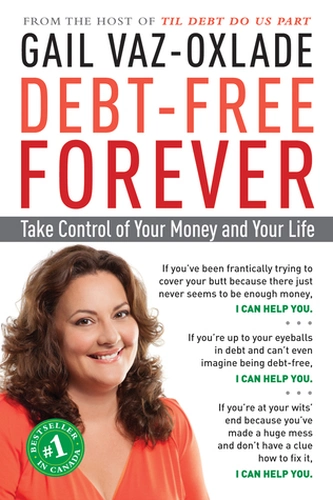
Best for: Anyone who is overwhelmed by debt and needs a clear, step-by-step plan to eliminate it.
This is the most practical debt elimination book on the market. It does not waste time on psychology or philosophy—it gives you a system to follow and tells you exactly what to do.
What we like
- Clear, step-by-step action plan
- No judgment—meets you where you are
- Realistic and achievable
- Proven to work for thousands of readers
Gail Vaz-Oxlade has spent decades helping people get out of debt. Her approach is direct, compassionate, and relentlessly practical. She does not spend chapters exploring the psychology of spending. She gives you a system.
The book covers everything from listing your debts to negotiating with creditors to creating a realistic budget that you can actually follow. Vaz-Oxlade does not pretend it will be easy. She tells you it will require sacrifice. But she also tells you exactly what to do, in what order, and how to stay motivated when it gets hard.
For anyone who is overwhelmed and just needs someone to tell them what to do, this book is a lifesaver.
5. The Simple Path to Wealth by JL Collins — Best for Long-Term Investing
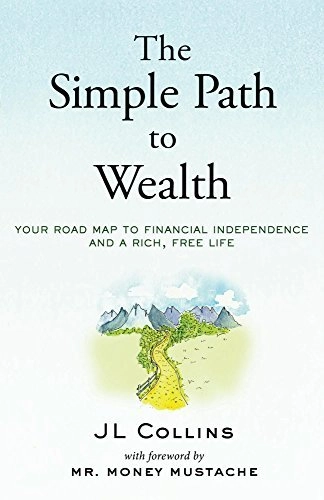
The clearest explanation of index fund investing ever written. If you are ready to move beyond saving and start building wealth, this is your next book.
What we like
- Direct, honest, and actionable
- Explains the math behind compound growth
- Written in a personal, letter-to-daughter format
- The most widely recommended investing book in FIRE communities
JL Collins wrote this book as a series of letters to his daughter. He wanted to give her everything she needed to know about money in one place. The result is the clearest explanation of index fund investing available anywhere.
Collins argues that the average investor does not need complex strategies or active management. They need a simple, low-cost index fund, held for decades. He explains why this works, how to set it up, and how to stay the course when markets get volatile.
The book is honest about what it takes—patience, consistency, and the ability to ignore short-term noise. For anyone who is debt-free and ready to start building serious wealth, it is the most useful book on the market.
Personal Finance Books Buying Guide: How to Choose the Right Book
Match the Book to Your Current Financial Stage
The biggest mistake readers make is picking the wrong book for where they are. A debt-free professional earning $120,000 will extract almost nothing from a debt-focused workbook. Someone carrying $30,000 in credit card debt will be paralyzed by a book about index fund investing.
If you are in debt and want to get out: Start with From Debt to Wealth for the mindset shift, then follow it with Debt Free Forever for the action plan.
If you are debt-free and want to build wealth: Start with The Millionaire Next Door to understand what real wealth looks like, then The Simple Path to Wealth for the investment framework.
If you are starting from zero and feel behind: Start with Broke Millennial for the basics, then move to From Debt to Wealth for the mindset.
If you have tried and failed multiple times: Start with From Debt to Wealth. Understanding the psychological pattern is the only way to break it.
If you are an experienced earner who still struggles to accumulate: Start with The Millionaire Next Door, then From Debt to Wealth.
Frequently Asked Questions About Getting Out of Debt and Building Wealth
What is the first step to getting out of debt and building wealth?
Stop avoiding your numbers. Write down what you owe, to whom, and at what interest rate. You cannot fix what you are afraid to look at. Then read From Debt to Wealth to understand the mindset patterns that keep you stuck.
Should I save money while paying off debt?
Yes, but prioritize high-interest debt first. Build a small emergency fund, then focus on eliminating the most expensive debt. Once that is under control, redirect those payments toward savings and investments.
Is it possible to build wealth while still in debt?
Yes, but the approach depends on your situation. For high-interest debt (credit cards), focus on elimination first. For low-interest debt (mortgage, some student loans), you can build wealth simultaneously. From Debt to Wealth covers this distinction in detail.
Why do so many people stay in debt even when they earn enough to get out?
Because debt is rarely a math problem. It is a behavior problem, a belief problem, and an emotional problem. Until those change, the debt tends to come back. Understanding the psychology behind your spending is the foundation of lasting change.