You open Amazon to buy one thing. Twenty minutes later, your cart is full. You walk into Target for toothpaste and leave with a basket of things you did not know you needed. You see a TikTok recommendation and add it to your cart before you even finish the video. A Sephora sale notification pops up, and suddenly you are checking out.
You know you should save. You know you do not need these things. But in the moment, it feels impossible to stop.
The problem is rarely about willpower. It is about what the purchase represents.
2026 Best Books About Why You Can’t Stop Spending: Quick Comparison
| Book | Best For | Key Focus | Experience Level |
|---|---|---|---|
| From Debt to Wealth | Understanding Why You Buy | Identity, Status, Beliefs | All Levels |
| The Status Game | Understanding Social Comparison | Status, Belonging, Competition | All Levels |
| The Art of Frugal Hedonism | Finding Satisfaction Without Spending | Joy, Contentment, Simplicity | All Levels |
1. From Debt to Wealth by Owen Pierce — Best for Understanding Why You Buy
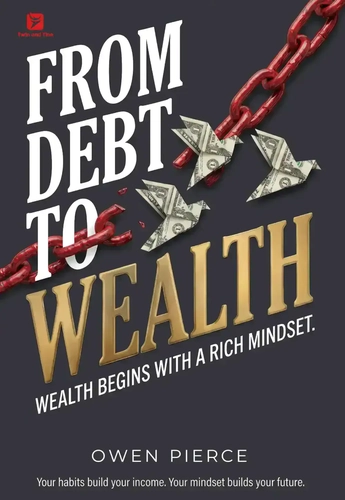
Best for: Anyone who has ever bought something they did not need and later wondered why.
What we like:
- Explains the psychology behind spending habits
- Helps you see the difference between wants and identity
- Practical enough to create real change
- Works for any income level
Owen Pierce wrote this book for people who keep spending money they know they should save. Not because they are bad with money, but because they never stopped to ask why they buy what they buy.
Pierce argues that most spending is not about the thing being purchased. It is about what the thing represents. You are not buying a nicer car. You are trying to feel successful. You are not buying better clothes. You are trying to feel like you are moving forward. You are not buying a new phone. You are trying to feel like you are keeping up.
The book helps you see the beliefs driving your purchases. Once you understand what you are really trying to buy, you can stop spending money on things that do not actually give you what you are looking for.
2. The Status Game by Will Storr — Best for Understanding Social Comparison
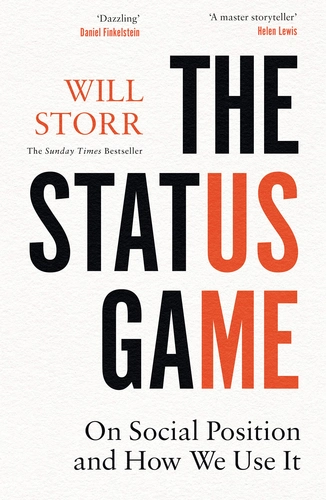
Best for: Anyone who has ever bought something to keep up with others or prove their worth.
What we like:
- Explains why status and comparison drive spending
- Helps you see the social forces behind your choices
- Changes how you view your own consumption
Will Storr explains that humans are wired to care about status. We compare ourselves to others constantly. We use possessions to signal where we belong and how we want to be seen.
This is why you feel the urge to upgrade when a neighbor gets something new. This is why you scroll through Instagram and feel like your life is not enough. This is why you keep telling yourself the next purchase will finally make you feel satisfied.
The book helps you recognize when social comparison is driving your spending. Once you see it, you can stop playing the game.
3. The Art of Frugal Hedonism by Annie Raser-Rowland and Adam Grubb — Best for Finding Satisfaction Without Spending
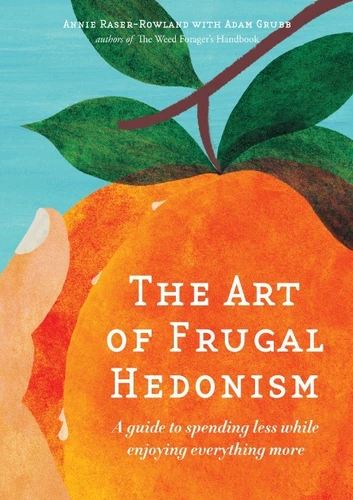
Best for: Anyone who wants to enjoy life more without buying more things.
What we like:
- Practical and actionable
- Reframes what “good life” actually means
- Helps you find joy in things that cost nothing
Annie Raser-Rowland and Adam Grubb wrote this book for people who are tired of equating happiness with consumption. They show how to enjoy life more while spending less.
A walk in nature. A good conversation with a friend. Cooking a meal from scratch. These experiences do not cost much, but they deliver real satisfaction. The book challenges the idea that you need to buy things to feel good.
This is not about deprivation. It is about rediscovering sources of pleasure that have nothing to do with shopping.
How to Choose the Right Book
If you always feel like you need the next thing: Start with From Debt to Wealth. It helps you understand the identity and belief drivers behind your spending.
If you buy things to keep up with others: Start with The Status Game. It helps you see how comparison shapes your choices.
If you want practical ways to enjoy life without buying more: Start with The Art of Frugal Hedonism. It gives you tools to shift your habits.
If you have tried and failed to stop impulse spending: Start with From Debt to Wealth. Understanding the psychology is the first step to change.
Frequently Asked Questions
Why can’t I stop spending money even when I know I should?
Because spending is often about identity and status, not about the thing you are buying. You are trying to feel successful, keep up with others, or escape discomfort. Once you understand the feeling you are chasing, you can find healthier ways to get it.
How do I stop impulse buying?
Start by pausing before every purchase. Ask yourself: am I buying this because I need it, or because I want the feeling it represents? Most impulse purchases are about the feeling, not the product.
Is it possible to enjoy life without spending money?
Yes. Many of the most satisfying experiences in life are free or low-cost. The Art of Frugal Hedonism is built around this idea.
Can someone with a good income still struggle with impulse spending?
Yes. Impulse spending is not about income level. It is about beliefs, comparison, and the feeling of never having enough. Understanding the psychology is the first step to change.
