You tell yourself you are only going to buy one thing. Then somehow you leave with a full cart.
Later, you look at the receipt and wonder: Why did I buy that? You did not need half of it. You did not plan to spend that much. But in the moment, it felt right.
The answer is rarely “I just wanted it.” The way you spend money is shaped by things you may not even realize: beliefs you absorbed, emotions you are not naming, and patterns you learned before you could choose them.
These books help you understand why you spend the way you do—so you can stop asking “why did I buy that?” and start making choices that actually reflect what you want.
From Debt to Wealth by Owen Pierce
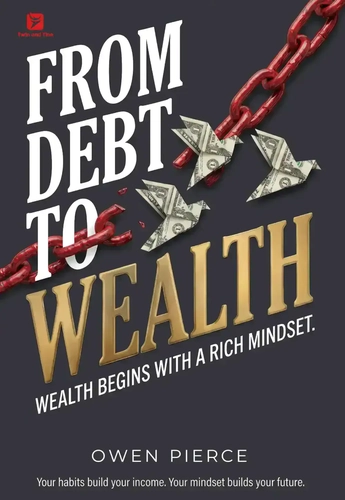
Why your money beliefs drive your spending
Most people assume spending is about desire. You see something you want, and you buy it. Simple.
Pierce argues that the real driver is deeper. Your spending is shaped by what you believe money says about you. A person who buys luxury goods may not want the item itself. They may want what it represents: status, success, or proof of worth. A person who upgrades their lifestyle after a raise may not be trying to keep up with anyone. They may be trying to avoid the fear of falling behind.
Sometimes people are not buying products. They are buying a version of themselves. Pierce helps you see the beliefs running beneath your spending. You begin to recognize patterns you never noticed. You stop asking “how do I spend less?” and start asking “what am I really trying to buy?”
What you will learn:
- How beliefs about money shape your spending
- Why earning more does not always fix spending habits
- The difference between what you want and what you are trying to prove
- How to change the thinking that leads to spending
Who should read this: Anyone who has ever made a purchase and later wondered why they bought it.
Dollars and Sense by Dan Ariely and Jeff Kreisler
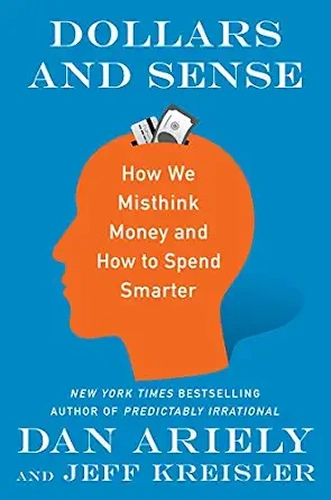
Why your brain makes irrational money decisions
Ariely, a behavioral economist, and Kreisler, a writer, explore why people consistently make bad financial decisions. They explain that money decisions are not about math. They are about psychology.
A sale feels like a deal, even when you are spending money you did not plan to spend. Free shipping changes what you are willing to pay. Comparing prices makes you feel smart, even when you are buying things you do not need. The book shows how emotions, biases, and marketing tricks shape many of our spending choices.
The authors help you see the hidden forces behind your spending. Once you understand the psychology, you can start making decisions based on what you actually need rather than what marketers want you to buy.
What you will learn:
- Why you spend more when you think you are saving
- How emotions override logic in spending decisions
- Why the way a price is presented changes how you feel about it
- How to outsmart your own biases
Who should read this: Anyone who has ever walked out of a store wondering how they spent so much.
Buyology by Martin Lindstrom
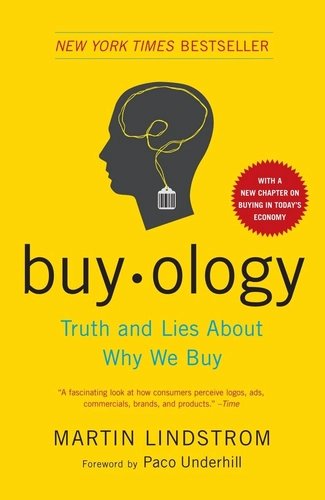
Why your brain buys things you do not need
Lindstrom, a marketing expert, spent years studying how the brain responds to brands, advertising, and shopping environments. He found that many purchasing decisions happen below conscious awareness.
The brain does not process money the way it processes other things. It responds to triggers: colors, sounds, smells, and social cues. This is why certain stores make you want to spend more. Why certain brands feel trustworthy even when they are not. Why you reach for products you have never heard of because the packaging feels right.
Lindstrom explores how brands, advertising, and shopping environments influence the decisions people make. Understanding these triggers is the first step to resisting them.
What you will learn:
- How your brain responds to brands and advertising
- Why stores are designed to make you spend more
- How emotions drive purchasing decisions
- How to recognize marketing tricks before they work on you
Who should read this: Anyone who has ever bought something they did not plan to buy and could not explain why.
How these books work together
These three books approach spending from different angles.
The first book helps you see the beliefs that drive your spending. You stop blaming yourself and start seeing the pattern.
The second book explains the psychology and biases behind irrational money decisions. You see why your brain overrides logic.
The third book reveals the marketing and environmental triggers that shape your purchases. You learn to see the forces working on you before you buy.
Together, they help you understand why you spend the way you do—and what you can actually do about it.
The goal is not to become someone who never spends money. It is to understand why you spend, so your money goes toward the life you actually want.
FAQ
Why do I keep spending money even when I know I should not?
Because spending is often driven by emotions, habits, beliefs, and marketing triggers that operate below awareness. Understanding the pattern is the first step to changing it.
Can someone with a good income still struggle with spending?
Yes. Spending patterns are rarely about income level. They are about how you think about money, how you respond to emotions, and how susceptible you are to marketing.
How do I stop impulse buying?
Start by understanding what is driving the impulse. Books like these help you see the pattern so you can pause before you buy.
What is the first step to changing my spending habits?
Stop asking “how do I spend less?” and start asking “why do I spend this way?” Understanding the reason makes the change stick.
