Betrayal feels impossible to understand because it creates a contradiction: someone can know you, care about you, and still choose to hurt you.
You trust someone. You let them in. You believe they have your back. Then they do something that breaks that trust. And you are left wondering: why would they do that? Did they ever really care? Was I just blind?
The pain of betrayal is not just about the act itself. It is about the story you told yourself about the person and the relationship. When that story shatters, you lose more than trust. You lose your sense of reality.
Betrayal is rarely simple. It is not always about bad people doing bad things. Sometimes it is about self-protection, fear, or a failure of courage. Sometimes it is about competing loyalties. Sometimes it is about people who never learned how to be honest with themselves.
Understanding why people betray others does not excuse the behavior. But it changes how you see it. And that is the first step to healing.
Awakening to Human Nature by Owen Pierce
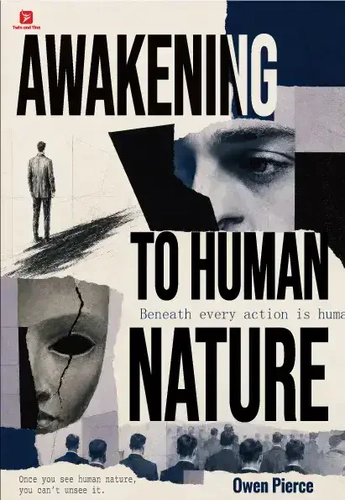
Why people betray even when they know it will hurt someone
Most people assume betrayal happens because someone is dishonest or lacks loyalty. They think it is about character.
Pierce argues that betrayal is often driven by something deeper. People betray others when their self-interest, fear, or self-protection overrides their commitment to someone else. A person who betrays a friend may not be trying to hurt them. They may be protecting themselves from shame. A person who breaks a promise may not be unreliable. They may be avoiding a truth they cannot face.
Betrayal is not always malicious. Sometimes it is a failure of courage. Sometimes it is a choice made in the moment that the person later regrets. Sometimes it is the result of patterns that person has never examined.
Understanding the reasons behind betrayal does not make the behavior acceptable. It simply reveals what happens inside people when fear, ego, or self-interest becomes stronger than loyalty.
Pierce helps you understand the hidden forces that drive betrayal. You stop asking “how could they do this to me?” and start seeing the internal struggle behind the behavior.
What you will learn:
- How self-protection can lead to betrayal
- Why people choose short-term safety over long-term loyalty
- How shame and fear drive dishonest behavior
- Why people lie to themselves before they lie to others
Who should read this: Anyone who has ever been betrayed and wondered why.
The Science of Trust by John Gottman
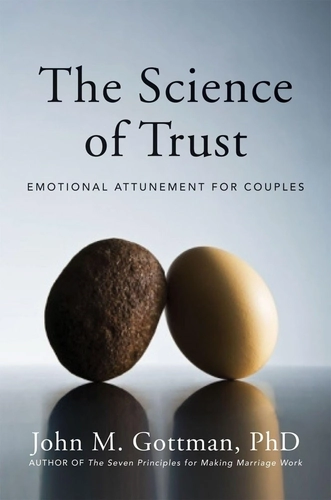
How trust quietly breaks before betrayal happens
Betrayal rarely comes out of nowhere. Before the big lie, there are small ones. Before the broken commitment, there are ignored feelings. Before the distance, there are moments when someone turned away instead of toward you.
Gottman spent decades studying relationships. He found that trust is built through thousands of small moments. A partner turns toward you when you speak. A friend follows through on a small promise. A colleague shares credit instead of taking it.
Betrayal also happens in small moments. A partner turns away. A friend dismisses your feelings. A colleague takes credit they do not deserve. Over time, these small betrayals accumulate into a broken relationship.
Gottman explains why some relationships withstand conflict while others fall apart. He shows how trust is built through attunement—the ability to notice and respond to someone else’s needs. And he reveals the patterns that destroy trust before either person realizes it is happening.
This book helps you see betrayal not just as a single event, but as a pattern that unfolds over time.
What you will learn:
- How trust is built through small daily actions
- Why betrayal often begins before the big event
- How to recognize the patterns that destroy trust
- What makes some relationships more vulnerable to betrayal
Who should read this: Anyone who wants to understand why some relationships survive and others do not.
Mistakes Were Made (But Not by Me) by Carol Tavris and Elliot Aronson
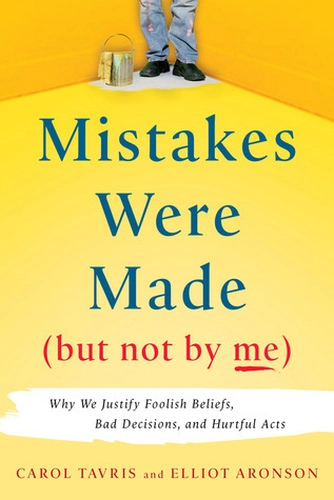
Why people refuse to admit they hurt you
One of the hardest parts of betrayal is not the act itself. It is the refusal to admit it.
Someone betrays you, and when you confront them, they deflect. They minimize what they did. They blame you. They rewrite the story so that they are the victim and you are the problem. And you are left wondering: do they really believe what they are saying?
Tavris and Aronson explain this through cognitive dissonance. When people’s actions contradict their self-image, they experience psychological discomfort. To relieve it, they reshape their memory, reinterpret the events, and convince themselves they were justified.
This is why people who betray often do not see themselves as betrayers. They are not lying to you. They are lying to themselves first.
The book helps you understand why people defend their actions even when they know they are wrong. It does not excuse the behavior. It explains why it happens.
What you will learn:
- Why people rewrite history to protect their self-image
- How cognitive dissonance fuels self-justification
- Why betrayers often see themselves as victims
- How to recognize when someone is refusing to take responsibility
Who should read this: Anyone who has ever been hurt by someone who refused to admit they were wrong.
How these books work together
These three books approach betrayal from different angles.
The first book helps you understand why people betray others. You see the hidden drivers behind the behavior.
The second book helps you see how trust breaks before betrayal happens. You recognize the patterns before they destroy a relationship.
The third book helps you understand why people refuse to admit they hurt you. You see the self-justification that makes accountability impossible.
Together, they help you stop blaming yourself for someone else’s behavior and start seeing the psychology behind betrayal.
FAQ
Why do people betray those they love?
Because love does not always override self-protection. People betray when they feel threatened, ashamed, or afraid. The behavior is often about them, not about you.
Is betrayal always intentional?
No. Sometimes people betray others because they are unable to face the truth or because they are protecting themselves from discomfort. Intentional or not, the harm is still real.
How do you trust again after being betrayed?
Start by understanding what happened. Not to excuse the behavior, but to see it clearly. Then rebuild trust slowly, with people who earn it over time.
Can someone who betrays you change?
Yes, but only if they are willing to examine their own behavior. Without awareness, the pattern tends to repeat.
