You have probably found yourself in this situation. Someone says something that does not quite add up. A colleague makes a decision that seems to hurt their own interests. A friend does something you cannot explain. And you ask yourself: why did they do that?
We are wired to explain behavior. When we see someone act, our brain automatically searches for a reason. The problem is that the reasons we come up with are often wrong. We assume people think like us. We assume their actions are based on logic. We assume we can read their intentions.
But human motives are rarely simple. They are shaped by things people do not always understand themselves: fear, self-protection, status, insecurity, and needs they may not even recognize.
These books help you stop guessing and start understanding.
Awakening to Human Nature by Owen Pierce
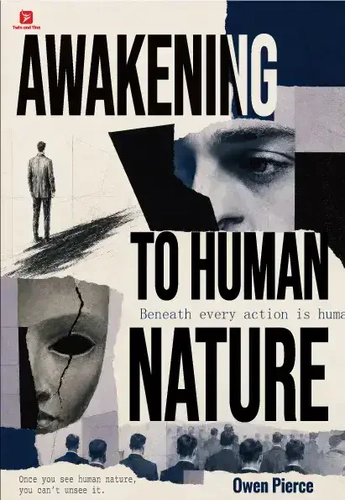
Understand the hidden forces behind behavior
Most people assume that understanding someone else means figuring out their intentions. If you know what they want, you know why they act the way they do.
Pierce argues that this view is too narrow. Human behavior is shaped by forces that operate beneath awareness: self-protection, status concerns, emotional reflexes, and the need to maintain a positive self-image. People do not always act according to what makes sense. They act according to what protects their identity.
A person who dismisses your idea may not think it is bad. They may be protecting their sense of expertise. A person who avoids conflict may not be peaceful. They may be avoiding the anxiety of confrontation. A person who takes credit may not be greedy. They may be insecure about their own position.
Pierce helps you see the hidden logic behind behavior that seems irrational. You stop asking “what do they really want?” and start seeing the deeper patterns that drive their choices.
What you will learn:
- How self-protection shapes behavior
- Why people act against their own stated values
- How identity and status influence decisions
- How to see the hidden logic behind confusing behavior
Who should read this: Anyone who has ever been confused by someone’s actions and could not figure out why.
The Person and the Situation by Lee Ross and Richard Nisbett
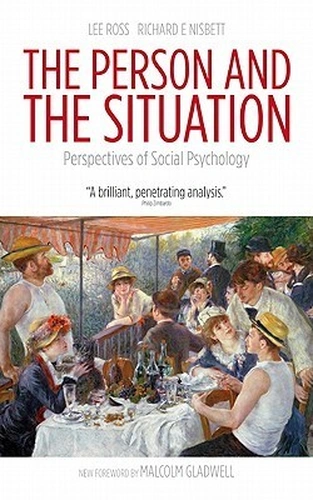
Why we misjudge what drives people
Ross and Nisbett explain one of the most common errors in understanding human behavior: we overestimate personality and underestimate situation.
When someone acts in a way we do not expect, our first instinct is to explain it by who they are. They are lazy. They are dishonest. They are difficult. But we rarely ask what might be happening in their environment that is shaping their behavior.
A person who is late to work may not be irresponsible. They may have a sick child, a traffic delay, or a chronic health condition. A person who seems dismissive may not be cold. They may have just received bad news. A person who makes a poor decision may not be incompetent. They may be under pressure you cannot see.
This book helps you stop blaming people for things that are often beyond their control. It also helps you see your own behavior more clearly. The situation is usually more powerful than you think.
What you will learn:
- Why people overestimate personality and underestimate circumstances
- How the situation shapes behavior more than most people realize
- Why you misjudge others and yourself
- How to become more accurate in understanding motives
Who should read this: Anyone who has ever judged someone harshly and later found out they were wrong.
The Elephant in the Brain by Kevin Simler and Robin Hanson
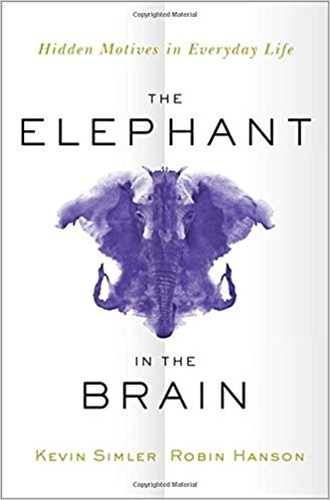
Why people hide their real motives
Sometimes people do not just misunderstand their own motives. They actively hide them.
Simler and Hanson argue that humans are masters of self-deception. We craft explanations that sound good, then we believe them. We present ourselves as more generous, more honest, and more rational than we actually are. The real motives—status, self-interest, social approval—remain hidden beneath the surface.
This is why someone says “I was just trying to help” when they were actually seeking validation. Why a manager says “we made the best decision with the information we had” when they are avoiding admitting a mistake. Why a friend says “I wanted to give you space” when they were avoiding a difficult conversation.
The book reveals the hidden motives behind everyday behavior and explains why people often do not know their own reasons for acting.
What you will learn:
- Why people often do not understand their own motives
- How self-deception keeps you from seeing the truth
- Why people construct explanations that protect their image
- How to see past the official story to what is actually happening
Who should read this: Anyone who has ever wondered why people do not just say what they really want.
How these books work together
These three books approach motives from different angles.
The first book helps you understand the internal forces that drive behavior. You see how self-protection, identity, and status shape decisions.
The second book shows how the situation shapes behavior. You stop blaming personality and start seeing the circumstances that influence choices.
The third book reveals why people hide their real motives. You see the self-deception behind the official story.
Together, they help you stop guessing about why people do what they do and start understanding the real drivers.
FAQ
Why is it so hard to understand other people’s motives?
Because people often do not understand themselves. Motives are shaped by hidden forces—self-protection, status, social pressure—that operate beneath awareness.
How do you tell if someone is hiding their true motive?
Look for patterns of self-justification and defensiveness. People who are hiding their real reasons often offer overly elaborate explanations. They are not just telling you a story. They are telling themselves one too.
Can you ever really know why someone acts the way they do?
Not always. But you can get closer by understanding the hidden forces that shape behavior. The goal is not perfect certainty. It is better accuracy.
Is it wrong to try to understand people’s motives?
No. Understanding others helps you navigate relationships, work, and life more effectively. The problem is not understanding. It is assuming you already know.
