Many people believe communication confidence is something you are simply born with.
Some people seem naturally comfortable speaking, sharing ideas, and handling conversations.
But strong communication is a skill that can be developed.
Many people struggle with:
- Finding the right words
- Explaining their thoughts clearly
- Speaking during important conversations
- Feeling nervous about how others will react
Improving communication is not about becoming the most talkative person.
It is about learning how to express yourself clearly and create better connections with others.
The right books can help you understand communication patterns and develop more confidence in everyday interactions.
Say It Right Every Time
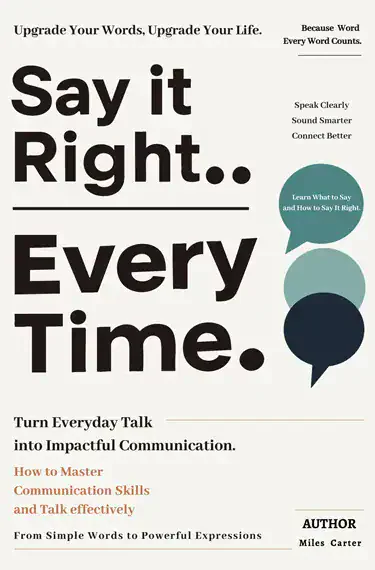
Best for: People who want to express ideas clearly and communicate with confidence
A lot of communication problems happen because what we think and what we say do not always match.
You may understand your own thoughts perfectly, but when you explain them:
- Others misunderstand your meaning
- Your emotions affect your tone
- Your message loses its impact
Say It Right Every Time focuses on the relationship between language and communication.
The book helps readers understand how small changes in wording can influence conversations.
It explores ways to:
- Choose words more intentionally
- Make messages easier to understand
- Avoid unnecessary misunderstandings
- Communicate with more confidence
For people who often think:
“I knew what I wanted to say, but I couldn’t explain it well.”
this book provides helpful guidance for improving everyday conversations.
How to Win Friends and Influence People
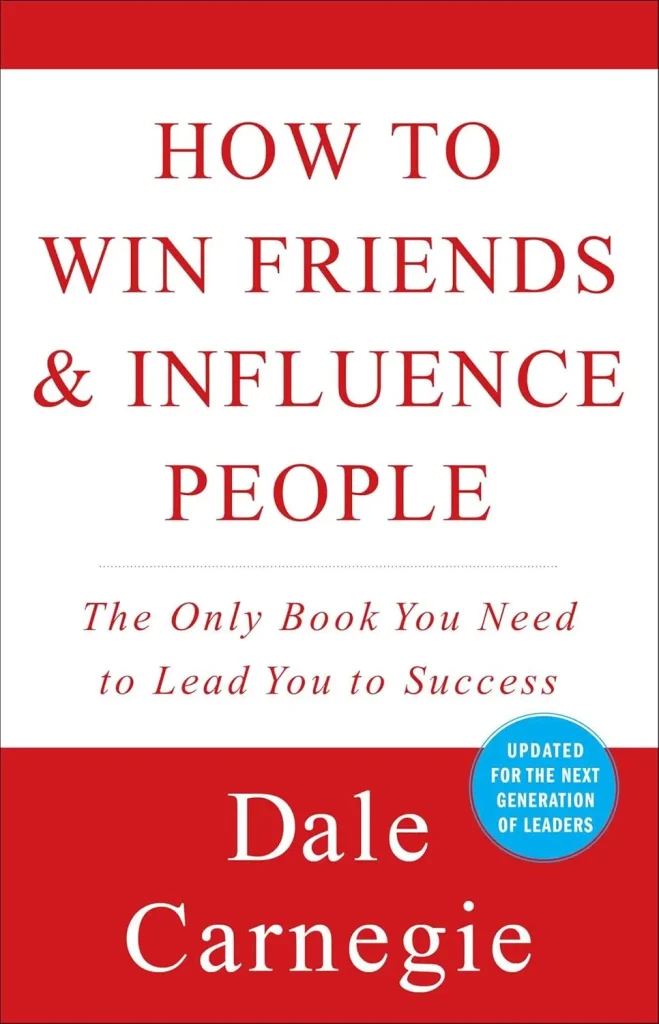
Best for: Building stronger social connections through better communication
Communication is not only about speaking.
It is also about understanding people.
How to Win Friends and Influence People focuses on human interaction and relationship-building.
The book explores ideas such as:
- Showing genuine interest in others
- Listening carefully
- Creating positive interactions
- Understanding different perspectives
It helps readers recognize that effective communication is not about trying to impress people.
It is about making conversations more meaningful.
Why Do People Struggle With Communication Confidence?
Communication difficulties often come from emotional barriers rather than a lack of ability.
Fear of Judgment
Some people hesitate to speak because they worry about making mistakes or being misunderstood.
Overthinking Before Speaking
Some people spend too much time preparing the “perfect” response, which can make conversations feel stressful.
Lack of Practice
Confidence often develops through experience.
The more people practice expressing themselves, the more natural communication becomes.
How Can Reading Improve Communication Skills?
A good communication book can help you notice patterns in the way you speak and interact.
You can learn:
- How to organize your thoughts
- How to choose clearer words
- How to handle conversations more naturally
- How to understand other people’s reactions
The goal is not to change your personality.
It is to become more comfortable expressing who you already are.
Which Communication Book Should You Start With?
Choose Say It Right Every Time if you want to:
- Improve daily conversations
- Express your thoughts more clearly
- Understand how words influence communication
Choose How to Win Friends and Influence People if you want to:
- Build social confidence
- Improve relationships
- Understand human behavior better
Both books approach communication from different angles.
One focuses on the power of language.
The other focuses on the connection between people.
Final Thoughts
Communication confidence is not about always having the perfect answer.
It is about being able to express yourself honestly, clearly, and respectfully.
Say It Right Every Time is a valuable choice for readers who want to improve their communication habits and become more confident in everyday conversations.
Better communication starts with better understanding — of your words, your emotions, and the people around you.