You have probably had this experience.
You walk away from a conversation feeling like something was off. The other person was polite enough, but you sensed a coolness you could not explain. You replay the exchange in your head, trying to figure out what you did wrong.
Or worse—you find out later that someone you thought liked you actually did not. And you had no idea.
People rarely tell you directly when they dislike you. They send signals. Subtle ones. The kind you miss if you do not know what to look for.
The three books below each address a different layer of this problem. One helps you recognize the signals people send when they are withdrawing. One helps you understand what drives connection and disconnection. One gives you a framework for repairing relationships before they fall apart.
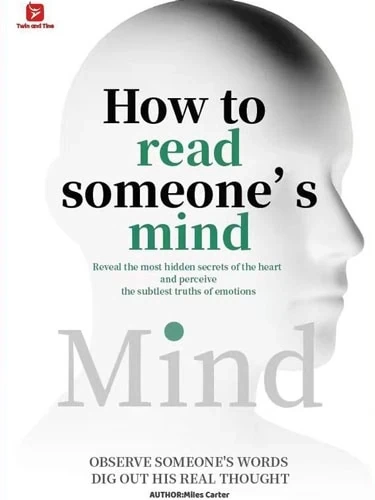
How to Read Someone’s Mind by Miles Carter
What signals do people send when they are not interested in you?
When someone dislikes you, they rarely announce it. They show it through subtle clues. A forced smile that does not reach the eyes. Avoiding eye contact. Short, closed-off responses. Leaning away. Finding reasons to end the conversation early.
Carter teaches you to notice these signals across four dimensions: the face, the body, the voice, and the context. You learn what micro-expressions, vocal changes, and movement patterns reveal about how someone really feels about you. You learn to distinguish between someone who is having a bad day and someone who is actively withdrawing.
Most importantly, you stop second-guessing yourself. You stop walking away from conversations wondering if something was off. You start seeing what is actually there.
For anyone who keeps missing the signs that someone is pulling away.
The Science of Likability by Patrick King

What actually makes people like or dislike one another?
Some people walk into a room and others are drawn to them. Others seem to repel people without meaning to. They say the same things, do the same things, but something feels different.
King breaks down the psychology of social connection—what actually drives whether people enjoy being around you. The book draws on research to explain the mechanics of social attraction: warmth, active listening, validation, and the subtle art of making people feel seen.
One key insight is that people do not like you based on what you say. They like you based on how you make them feel. Someone who talks too much makes others feel invisible. Someone who rarely validates others makes people feel dismissed. Someone who does not read social cues makes people uncomfortable without knowing why.
The book gives you practical ways to become more aware of how you come across and avoid the common behaviors that push people away.
For anyone who keeps wondering what is wrong with them and wants to understand what actually makes people want to be around you.
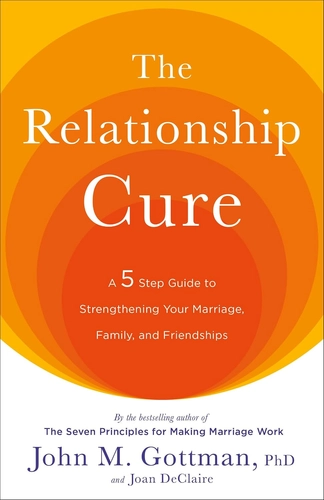
The Relationship Cure by John Gottman
How do you repair relationships when someone is pulling away?
When someone pulls away, it is rarely about one big thing. It is usually about a thousand small things. Missed connections. Unacknowledged feelings. A pattern of interactions that slowly erodes trust.
Gottman introduces the concept of “bids”—any attempt to connect with someone. A comment. A question. A look. Every time someone makes a bid, you have a choice: turn toward it or turn away.
When someone likes you, they turn toward your bids. They engage. They respond. When someone is starting to dislike you, they turn away. They ignore you. They give short answers. They find reasons to leave.
Most people do not notice when this shift happens. They miss the pattern until it is too late. Gottman gives you a framework for recognizing when someone is pulling away and how to bring them back.
For anyone who has ever felt someone pulling away and did not know how to respond.
These three books each approach the problem from a different angle. Carter helps you read the signals. King helps you understand the psychology of connection. Gottman helps you repair relationships when someone has started to withdraw.
If you want to stop missing the signs that someone is not interested, start with Carter. It gives you the foundation for noticing what people are actually communicating.
