You know the feeling.
You are trying to tell someone something important. Maybe it is a problem at work, a concern about your relationship, or just something that matters to you. You speak. They nod. You finish. And then they say something that makes it clear they did not hear a word.
They change the subject. They offer a solution you did not ask for. They start talking about themselves. Or they just stare blankly and say, “So anyway…”
It is frustrating. It is lonely. And over time, it erodes your trust in that person.
Why do some people refuse to listen? And what can you do about it? These three books give you answers.
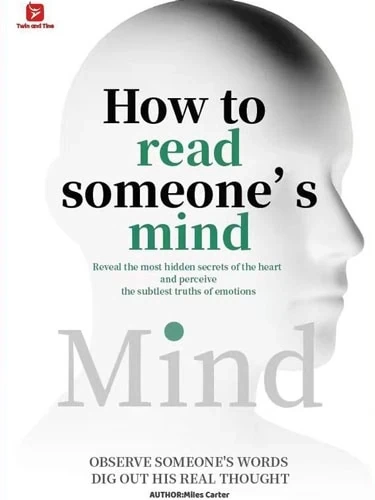
How to Read Someone’s Mind by Miles Carter
Imagine this.
You are telling a friend about a difficult week. You are not looking for advice—you just need to vent. Halfway through, you notice they are glancing at their phone. Their responses are generic: “Oh wow,” “That’s crazy,” “Mmm-hmm.” You pause, and they immediately steer the conversation to their own day.
You feel dismissed. But were they actually dismissing you, or were they just distracted?
Carter’s book teaches you to read the signals that reveal whether someone is truly listening—or just waiting for their turn to speak.
- Their eyes: Genuine listeners maintain eye contact, not just fixed but engaged. Wandering eyes mean wandering attention.
- Their body: A listener leans in. A non-listener leans back, checks the time, or fidgets.
- Their voice: Listeners ask follow-up questions. Non-listeners respond with statements about themselves.
- Their timing: Listeners let you finish. Non-listeners interrupt or talk over you.
“The difference between being heard and being ignored is written all over their face. You just have to know where to look.”
Carter also helps you understand why they are not listening. Are they distracted? Defensive? Self-absorbed? Or simply unaware of their habit? Once you know the motive, you can choose how to respond.
You might stop sharing with them. You might call it out directly. You might adjust your timing or your approach. The key is that you stop taking it personally—because now you see it as a signal, not a rejection.
For anyone who has ever walked away from a conversation feeling invisible.
You’re Not Listening by Kate Murphy
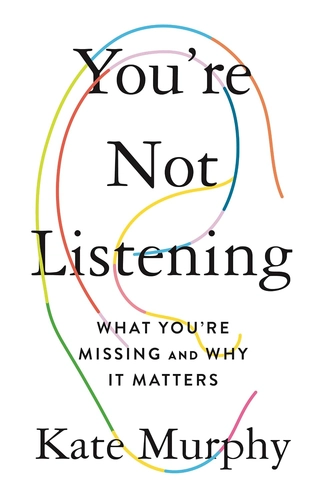
What listening actually requires—and why so few people do it.
Murphy, a journalist, spent years researching the art of listening. What she found is that most people have no idea what real listening looks like. They think it means staying quiet while the other person talks. That is not listening—that is just not speaking.
“Listening is not a passive act. It is an active creation of meaning.”
Murphy explains that true listening involves curiosity, humility, and a willingness to be changed by what you hear. It requires setting aside your own agenda, your own stories, your own urge to fix things. Most people cannot do this. They are too busy preparing their response.
The book is full of real-world examples and practical advice. She covers how to listen to people you disagree with, how to listen when you are tired, and how to tell when someone is truly listening to you.
Murphy also tackles the digital age—how phones, notifications, and constant distraction have made us worse listeners. She offers concrete steps to reclaim attention in a distracted world.
For anyone who wants to become a better listener—or who wants to know what to ask for from others.
Nonviolent Communication by Marshall Rosenberg

Why people stop listening—and how to make them start again.
Rosenberg developed a communication framework that has been used in conflict zones, schools, and workplaces worldwide. His insight: people stop listening when they feel attacked, judged, or blamed.
When you say “You never listen to me,” the other person hears an accusation. Their defenses go up. They stop hearing your message and start defending themselves. Listening becomes impossible.
“When we hear criticism, we often hear it as a threat. Our energy goes to defending ourselves, not understanding the other.”
Rosenberg teaches you to express your needs without blaming, using a four-step process: observation, feeling, need, request. Instead of “You never listen,” you say: “When I am speaking and you look at your phone, I feel dismissed because I need to feel heard. Would you be willing to put the phone down while I finish?”
This approach reduces defensiveness and opens the door to real listening. It does not guarantee the other person will listen—but it dramatically increases the odds.
The book also helps you listen to others even when they are not listening to you. Rosenberg shows how to hear the need behind the criticism, so you can respond with empathy rather than defensiveness.
For anyone who wants to communicate in a way that makes listening more likely—even from difficult people.
Read Carter first if you want to spot the signs of not listening early and stop wasting your words. Read Murphy if you want to understand what real listening is and why so few people do it. Read Rosenberg if you need a practical system to get through to people who are defensive or difficult.
