Worry is a normal part of life.
Everyone thinks about the future.
Everyone experiences uncertainty.
But for some people, worrying becomes difficult to control.
The mind keeps creating new questions:
“What if something goes wrong?”
“What if I made the wrong decision?”
“What if I cannot handle what happens next?”
Even when there is no immediate problem, the brain continues searching for possible risks.
Constant worrying can be mentally exhausting.
It can affect focus, sleep, relationships, and the ability to enjoy the present moment.
The right books can help you understand why worry happens and learn healthier ways to respond to anxious thoughts.
Break the Anxiety Circle
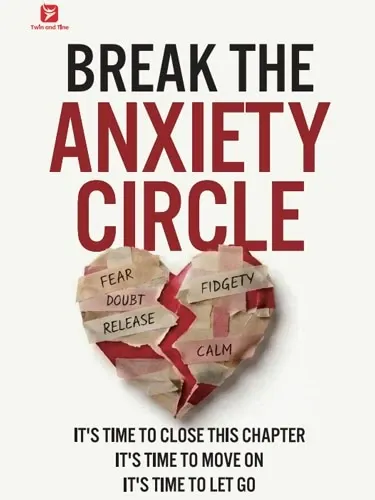
Best for: Understanding why worry repeats and how anxiety creates mental loops
Many people believe worrying helps them prepare.
They think:
“If I think about every possibility, I can prevent problems.”
But excessive worry often creates a cycle.
One concern leads to another.
One possibility creates another fear.
Eventually, thinking no longer creates solutions — it creates more stress.
Break the Anxiety Circle focuses on understanding the patterns behind repeated anxious thoughts.
The book helps readers explore:
- Why certain worries keep returning
- How anxiety reinforces itself
- Why seeking complete certainty can increase stress
- How to create distance from overwhelming thoughts
Rather than fighting every worry, the book encourages readers to understand their mental patterns and develop a healthier relationship with uncertainty.
For people who feel trapped in endless “what if” thinking, this perspective can be especially helpful.
The Anxiety and Phobia Workbook
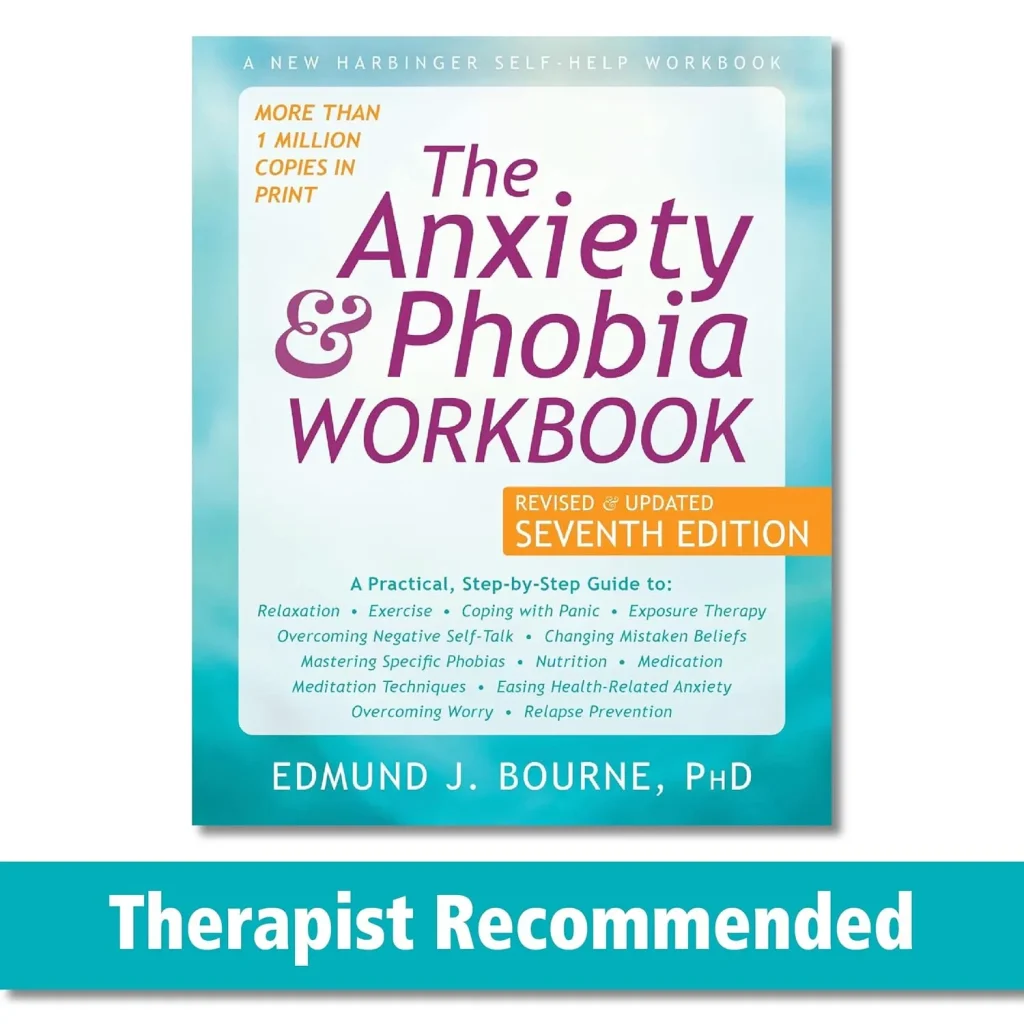
Best for: People who want practical tools for managing anxiety
Some readers prefer structured exercises instead of only understanding the reasons behind anxiety.
The Anxiety and Phobia Workbook provides practical strategies based on psychological approaches for managing anxious feelings.
The book includes guidance related to:
- Recognizing anxiety patterns
- Practicing coping techniques
- Challenging unhelpful thoughts
- Developing healthier responses to fear
It is useful for readers who want step-by-step activities they can apply in daily life.
Why Does Constant Worrying Feel Impossible to Stop?
Persistent worry often comes from deeper mental habits.
The Brain Wants to Protect You
Worry is partly a protective response.
The mind tries to predict problems so you can prepare.
The challenge is when the brain continues searching for danger even when you are safe.
You Try to Find Perfect Answers
Many people keep worrying because they want complete certainty.
But life often includes situations without guaranteed outcomes.
Thoughts Become Emotional Triggers
A thought may start small.
But after repeating it many times, it can create stronger emotional reactions.
How Can Books Help With Constant Worry?
Helpful books can change the way you view worry.
Instead of thinking:
“Why can’t I stop worrying?”
You may begin asking:
“What pattern is my mind following?”
“Is this thought helping me solve something?”
“Can I respond differently?”
Understanding worry is often the first step toward reducing its control.
Choosing the Right Book for Constant Worrying
Choose Break the Anxiety Circle if you want to:
- Understand why anxious thoughts repeat
- Learn how worry cycles develop
- Build awareness of your thinking patterns
Choose The Anxiety and Phobia Workbook if you want:
- Practical exercises
- Structured anxiety-management methods
- Tools you can practice step by step
Both books offer different approaches.
One focuses on understanding the cycle behind anxiety.
The other focuses on practical strategies for managing anxious experiences.
Final Thoughts
Constant worrying can make the mind feel like it is always preparing for a problem that may never happen.
Learning to understand your thoughts can help you create more space, calm, and balance.
Break the Anxiety Circle is a valuable choice for readers who want to understand repeated worry patterns and develop a healthier relationship with anxiety.