Parenting can bring some of the most meaningful moments in life.
But it can also test your patience.
A child refuses to cooperate.
A toddler has a big emotional reaction.
The same question is asked again and again.
In these moments, many parents feel frustrated.
They may think:
“Why can’t I stay calm?”
“Why do I react this way?”
“How can I become a more patient parent?”
Losing patience does not mean you do not love your child.
Often, it means you are dealing with stress, emotions, and difficult situations without enough support or understanding.
The right parenting books can help parents recognize their own reactions and develop healthier ways to respond.
The Parent You Aspire to Be
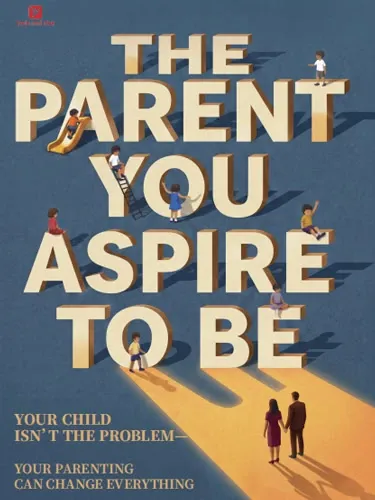
Best for: Parents who want to understand their reactions and build deeper connection
Many parenting struggles are not only about children’s behavior.
They are also about what happens inside the parent.
A child may be upset.
A situation may feel overwhelming.
A parent may react quickly before having time to think.
The Parent You Aspire to Be encourages parents to reflect on the kind of relationship they want to create with their children.
The book explores:
- How parents’ emotions influence interactions
- How responses shape children’s experiences
- How connection can guide parenting decisions
- How to become more intentional in daily moments
Rather than focusing only on controlling behavior, the book highlights the importance of understanding and emotional awareness.
For parents who want to become calmer and more connected caregivers, this perspective can be valuable.
No-Drama Discipline
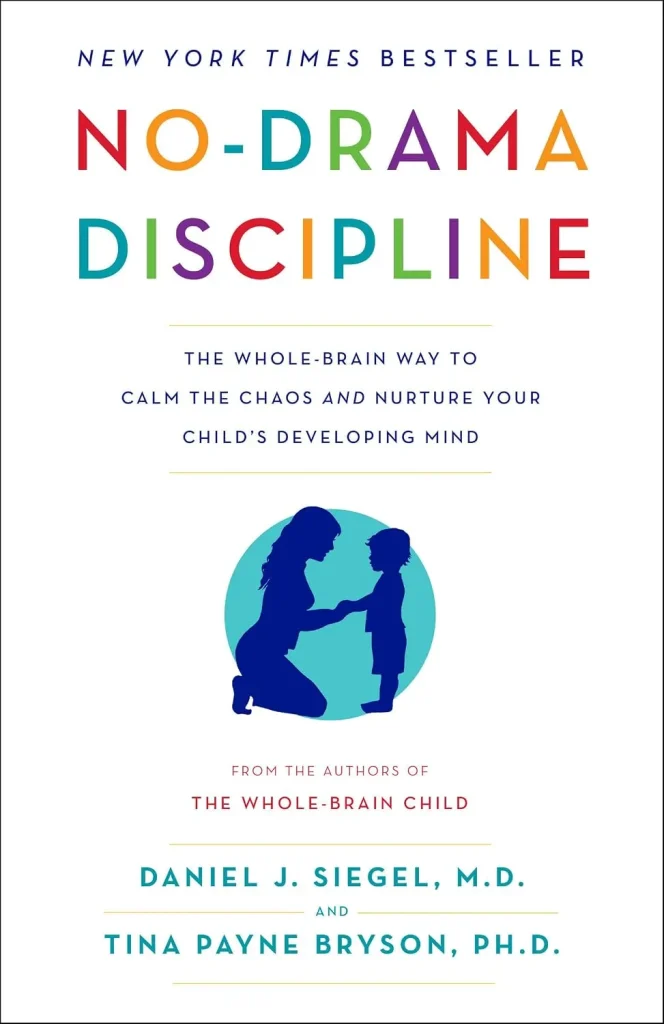
Best for: Parents who want calmer approaches to challenging behavior
Discipline moments are often when patience becomes hardest.
Children may act out because they are still learning emotional regulation.
No-Drama Discipline focuses on responding to challenging behavior in ways that support learning and connection.
The book explores:
- Understanding what happens during emotional moments
- Responding without unnecessary conflict
- Teaching children emotional skills
- Creating discipline approaches based on connection
It helps parents see discipline as a chance to guide children rather than simply correct them.
Why Do Parents Lose Patience?
Even caring parents can struggle with patience.
Mental and Emotional Exhaustion
When parents are tired or overwhelmed, small challenges can feel much bigger.
Unrealistic Expectations
Sometimes parents expect children to behave more maturely than their developmental stage allows.
Understanding child development can change how parents respond.
Automatic Reactions
Many people repeat communication patterns they experienced growing up.
Recognizing these reactions is the first step toward changing them.
How Can Parenting Books Help You Become More Patient?
A helpful parenting book can provide a new perspective.
Instead of asking:
“How do I make my child stop this behavior?”
Parents may begin asking:
“What is my child trying to communicate?”
“What does this moment need from me?”
“How can I respond in a way that strengthens our relationship?”
This shift can transform everyday parenting challenges.
Choosing the Right Parenting Book
Choose The Parent You Aspire to Be if you want to:
- Reflect on your parenting style
- Build emotional connection
- Understand how your reactions affect your child
Choose No-Drama Discipline if you want to:
- Handle difficult behavior calmly
- Learn connection-based discipline methods
- Support your child’s emotional development
Both books help parents move toward more thoughtful and patient parenting.
Final Thoughts
Patience is not something parents either have or do not have.
It is a skill that can be developed through awareness, practice, and understanding.
Every difficult moment is also an opportunity to strengthen the relationship between parent and child.
The Parent You Aspire to Be is a meaningful choice for parents who want to become more intentional, emotionally aware, and connected in their parenting journey.