Think about the last time you knew something was off, but you stayed anyway.
You saw the signs. You felt the shift. A comment that felt dismissive. A pattern of inconsistency that you chose to overlook. A moment when your gut whispered something and you told it to be quiet.
You are not alone. Most people do not miss red flags. They see them just fine. The problem is not observation. The problem is what happens next. You explain it away. You give the benefit of the doubt. You tell yourself you are overthinking, being too harsh, not giving them a fair chance.
The three books below each address a different layer of this pattern. One helps you stop dismissing what you already see. One exposes the excuses you make for bad behavior. One helps you understand why you stay even when you know you should leave.
How to Read Someone’s Mind by Miles Carter

What are you already seeing but refusing to believe?
You have probably had this experience. Someone says something that does not sit right. You notice a pattern that makes you uncomfortable. Your body reacts before your mind catches up—a tightening in your chest, a pause before you respond.
Carter’s book teaches you to read the signals people reveal through their face, body, voice, and behavior over time. The mismatch between words and actions. The pattern of inconsistencies that you explained away because you wanted to believe the best. The hesitation that seemed small at first but kept appearing.
But here is the part that matters for this question. The book does not just teach you to see the signals. It teaches you to trust what you see. To stop overriding your own observations with wishful thinking.
If you are always the last person to notice someone is wrong for you, the problem is not your observation skills. It is that you do not trust them.
When you stop dismissing what you see, you make decisions earlier. You leave sooner. You protect yourself before damage is done. You stop looking back and wondering how you missed it.
For anyone who sees the signs and explains them away.
Not the Price of Admission by Laura S. Brown
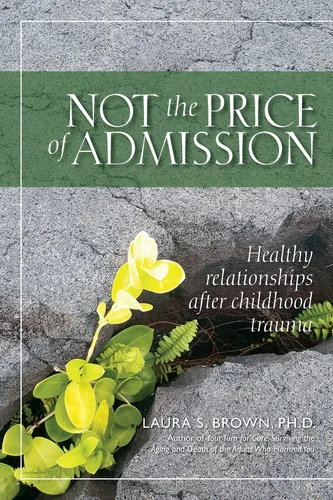
What excuses are you making for bad behavior?
Here is something that surprises most people.
When you ignore red flags, you are not being naive. You are being hopeful. You want so badly for this person to be the one, for this job to work out, for this friendship to survive, that you reclassify warning signs as quirks. You tell yourself stories that make the behavior acceptable.
Brown, a psychologist who specializes in trauma and relationships, wrote this book to answer a simple question: why do smart, capable people put up with things they know are bad for them?
The answer is not weakness. It is hope.
Hope is a dangerous thing when it is attached to someone who keeps proving they are not who you want them to be.
The book helps you identify the excuses you make: “They are just stressed.” “They did not mean it.” “They are not like this with other people.” “If I am more patient, they will change.”
Brown breaks down why these excuses are so compelling and how to stop making them. You learn to distinguish between someone who is genuinely struggling and someone who is showing you exactly who they are.
For anyone who keeps making excuses for people who do not change.
The Gift of Fear by Gavin de Becker
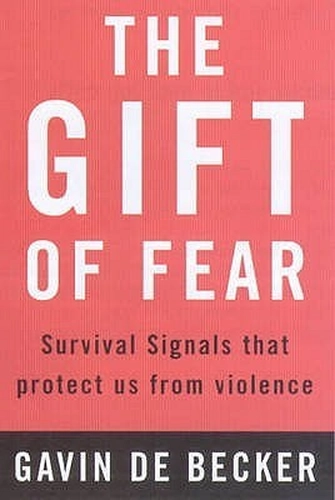
Why do you stay even when you know you should leave?
Think about the last time your gut told you something was wrong. Did you listen? Or did you override it with logic, politeness, or fear of being rude?
De Becker, a security expert who has spent decades studying violence and human behavior, argues that fear is a gift. Your intuition is not random. It is your brain processing information faster than your conscious mind can keep up. It recognizes patterns you have not yet named.
But most people are trained to ignore it. You are taught to be polite, to give people the benefit of the doubt, to prioritize others’ comfort over your own safety. The result: you override the one system designed to protect you.
Fear is not the enemy. The enemy is the voice that tells you to ignore it.
The book is built around specific examples where people ignored warnings and later regretted it—and where others listened and stayed safe. De Becker teaches you to distinguish between real fear and anxiety, between a legitimate warning and an overreaction. He gives you permission to trust yourself.
For anyone who has ever ignored their gut and later wished they had not.
These three books each approach the problem from a different angle. Carter helps you stop dismissing what you already see. Brown helps you identify the excuses you make for bad behavior. De Becker helps you trust your intuition when it tells you something is wrong.
If you are tired of looking back and asking “how did I miss that?” start with the one that matches where you are stuck:
- Need to stop explaining away what you already see? Start with Carter.
- Need to stop making excuses for people who do not change? Start with Brown.
- Need to learn to trust your gut when it warns you? Start with de Becker.
You do not need to learn to spot red flags. You are already spotting them. You need to learn to believe yourself when you do.
