You have met someone like this.
You talk to them for an hour and leave with no idea what they actually think. Their face stays neutral. Their tone stays even. They answer your questions but reveal nothing. You cannot tell if they like you, hate you, or are simply waiting for the conversation to end.
It is unsettling. You walk away feeling off-balance, unsure where you stand.
Some people are hard to read by nature. Others are hard to read on purpose. And some are hard to read because they are hiding something. The three books below will help you understand all of them.
How to Read Someone’s Mind by Miles Carter
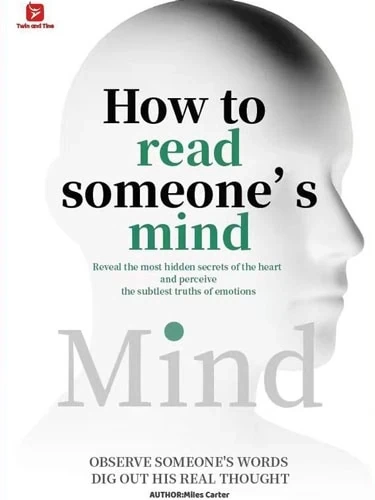
Let us imagine you meet someone new at a gathering.
They smile at the right moments. They nod while you speak. They ask follow-up questions. By every surface measure, the interaction went well. But something feels off. Their smile does not quite reach their eyes. Their nods feel automatic, not engaged. Their questions are polite but never personal.
You leave thinking: Did they actually enjoy that conversation, or were they just being polite?
This is where Carter’s book becomes invaluable. He teaches you to look past the surface and read the signals that people cannot fake.
- The face: A genuine smile reaches the eyes. A polite smile stops at the mouth.
- The body: Open posture means engagement. Turned feet or crossed arms mean they are checked out.
- The voice: A flat tone says more than the words ever will.
- The context: What is appropriate in one setting is completely different in another.
“People who are hard to read are not unreadable. They just have signals you have not yet learned to see.”
Carter gives you the tools to decode the “neutral” person. You start to see the tiny flickers that reveal what they are actually thinking. The slight tension in their jaw. The micro-pause before they answer. The way they shift their weight when a topic hits too close.
Suddenly, the unreadable person becomes readable. You stop guessing. You start knowing.
For anyone who has ever walked away from a conversation unsure of where they actually stood.
Quiet by Susan Cain
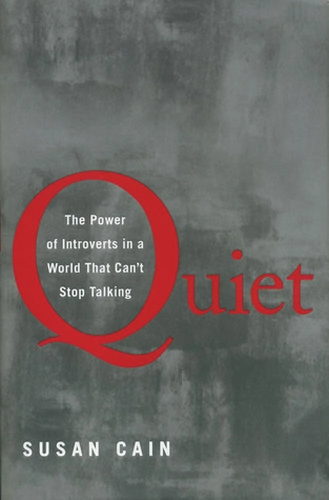
Why some people are hard to read—and why it is not personal.
There is a reason some people seem impossible to read. They are introverts.
Cain’s book unpacks the introvert personality—not as shyness or social anxiety, but as a fundamental orientation toward the inner world. Introverts process thoughts internally before they speak. They do not reveal emotions in real time the way extroverts do. They are not hiding anything. They just take longer to let you in.
“Introverts are not hard to read. They just operate on a different frequency.”
Cain explains that introverts often feel pressure to act more outgoing, which makes them even harder to read—because you are seeing a performance, not the real person. The book gives you a framework for understanding their pace, their need for reflection, and the quiet signals they do send when you know what to look for.
Understanding this changes how you interact with the “hard to read” person. You stop pushing for quick answers. You give them space to respond. You realize that their silence is not rejection—it is processing.
For anyone who has mistaken quiet for coldness and wants to understand what is actually going on underneath.
The Sociopath Next Door by Martha Stout
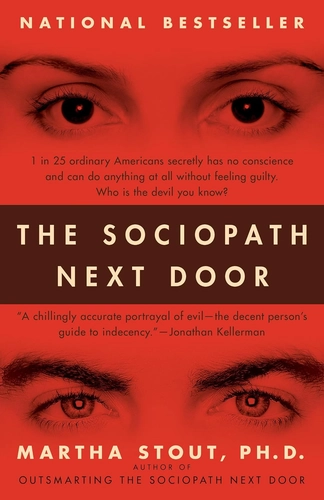
When “hard to read” is a warning sign.
Some people are not just private. They are empty.
Stout, a clinical psychologist, writes about the one in twenty-five people who have no conscience. Sociopaths are often charming, articulate, and hard to read because what they show you is not who they are—it is a mask designed to get what they want.
“The sociopath is the ultimate hard-to-read person. Not because they are complex, but because they have no internal world to reveal.”
The book helps you identify the signs: inconsistency between words and actions, a lack of genuine emotion, a pattern of using people without remorse. It also teaches you how to protect yourself from people who are hard to read because they are intentionally hiding their true intentions.
This is not a book about paranoia. It is a book about clarity. Stout gives you the framework to distinguish between someone who is simply private and someone who is dangerous.
For anyone who has felt unsettled by someone they could not read and wondered if the unease meant something real.
Read Carter first if you want to decode the signals you are missing. Read Cain if you are dealing with introverts and want to understand their pace. Read Stout if the “hard to read” person leaves you feeling uneasy and you need to know why.
