Something feels off.
Your partner says they are fine, but their voice is clipped. A colleague agrees to help, but their smile does not quite reach their eyes. A friend says “no hard feelings,” but you catch a flicker of something else.
You cannot prove it. But you know something is there. These three books teach you to see past the surface.
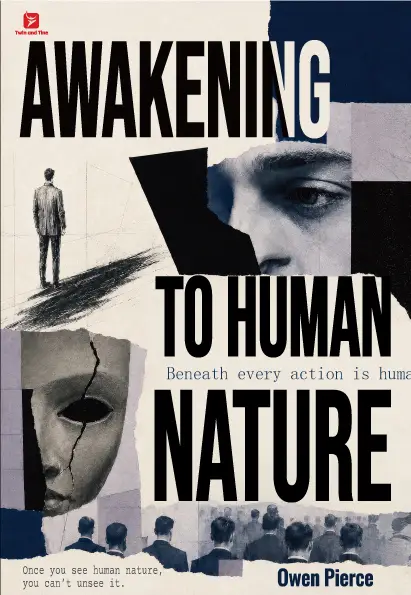
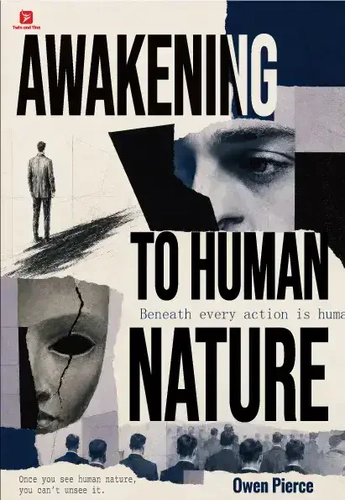
Awakening to Human Nature by Owen Pierce
Imagine your partner says they are “fine.” Words are reassuring. But their arms are crossed, jaw tight, voice flat. You ask again, and they snap: “I said I’m fine.”
Pierce explains that most behavior is driven by hidden needs, emotions, and interests people do not openly admit. His book strips away politeness to reveal the unwritten laws of human behavior. You learn to see through appearances, recognize double standards, and detect when someone’s words do not match their true intentions.
“People always reveal their true motives. You just have to know where to look.”
Pierce also shows how self-deception clouds your own judgment. When you understand the hidden forces in others, you stop being naive. You start seeing the real dynamics in every relationship.
For anyone who has ever felt something was off but could not name it.
Influence by Robert Cialdini
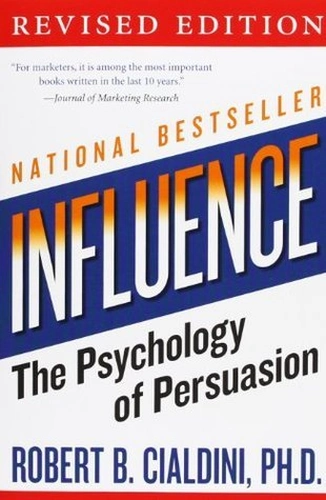
Why do people say yes? Cialdini reveals six universal triggers that shape decisions—often without us realizing. These principles explain hidden motives like reciprocity, liking, and social proof.
When someone agrees to a favor, are they being genuine or just playing the reciprocity game? When a friend suddenly compliments you, are they sincere or preparing to ask for something? Cialdini gives you the framework to distinguish real connection from calculated influence.
“The hidden motives behind people’s actions are often written in the principles they use to persuade.”
Understanding these triggers helps you see when someone is trying to influence you—and decide whether to go along or push back.
For anyone who wants to stop being subtly persuaded and start seeing the motives behind the ask.
Games People Play by Eric Berne
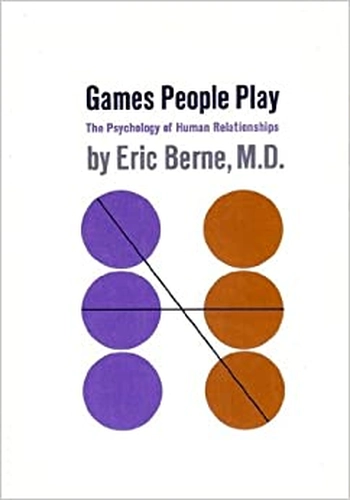
Berne’s classic introduces the idea that human interactions are often “games”—unconscious patterns with hidden payoffs. The “Why don’t you—yes but” game. The “If it weren’t for you” game. The “Look how hard I tried” game.
These games are not fun. They are ways people avoid intimacy, shift blame, or control outcomes while appearing innocent. Berne teaches you to spot them: the scripted responses, the predictable reactions, the ulterior motives behind seemingly normal conversations.
“Every game has a hidden motive, a payoff that both players are pursuing without admitting it.”
When you understand these patterns, you stop being a willing participant. You see the game for what it is and choose whether to play or walk away.
For anyone who has ever felt like they were caught in a recurring pattern and wanted to step off the stage.
If you want to see through appearances, read Pierce. If you want to understand the psychology of persuasion, read Cialdini. If you want to recognize the games people play, read Berne.