You have probably seen this before.
A woman gives everything to a relationship. She stays longer than she should. She makes excuses for behavior that hurts her. She gives chance after chance. She believes that if she just loves hard enough, the other person will finally show up the way she needs them to.
This is not weakness. This is a pattern. It often starts long before the relationship does. And until you see it, you will keep repeating it.
The three books below each address a different layer of this pattern. One helps you read the signals you keep ignoring. One explains why you give too much to the wrong people. One shows you how to break the cycle without becoming cold.
How to Read Someone’s Mind by Miles Carter
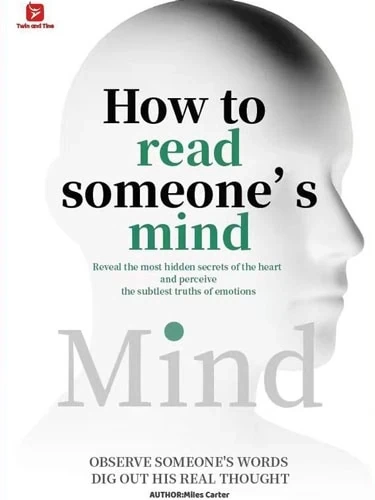
What signals are you ignoring when you over-give?
Women who love too much often do not miss the red flags. They see them. They feel them. A voice in their head says something is off. But they override it. They explain it away. They tell themselves they are overthinking.
Carter’s book teaches you to read the signals people reveal through their face, body, voice, and behavior over time. The mismatch between what he says and what he does. The pattern of inconsistency you keep explaining away. The hesitation before answering. The way he shows up differently when others are watching.
What makes this book relevant here is the focus on trusting what you see. Once you stop overriding your own observations, you stop giving too much to people who are not giving back. You start choosing differently because you see differently.
For anyone who keeps seeing the signs and staying anyway.
Women Who Love Too Much by Robin Norwood
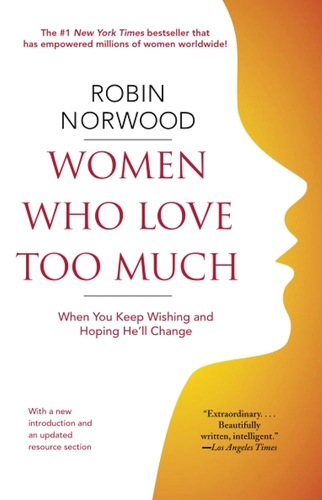
Why do you keep giving too much to the wrong people?
This is the book that started the conversation. Norwood, a therapist who worked with women trapped in painful relationships, noticed a pattern. The women who loved too much were not weak. They were often the most capable, giving, and loyal people in the room. They just did not know how to stop.
The book explains why you get drawn to people who need fixing. Why you mistake intensity for intimacy. Why you stay when you should leave. Why you believe that if you just love them enough, they will finally become who you need them to be.
What makes this book essential is the recognition. You read it and feel seen. You realize you are not broken. You are following a pattern. And patterns can be changed.
For anyone who has ever stayed too long in a relationship that was not giving back.
How to Break Your Addiction to a Person by Howard M. Halpern
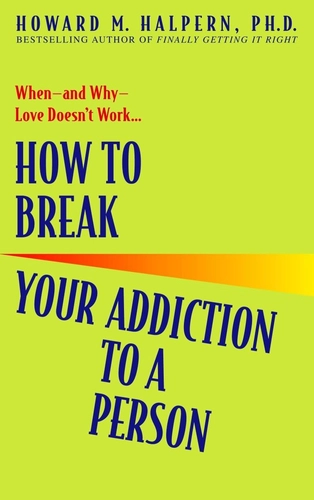
How do you stop the cycle without becoming cold?
You see the pattern. You understand why you do it. Now you have a harder question: how do I actually stop?
Halpern, a psychologist who worked with people stuck in toxic relationships, wrote this book to answer that question. He explains that being attached to the wrong person is like an addiction. The brain gets hooked on the highs and lows. The intermittent reinforcement keeps you chasing.
The book gives you practical strategies for breaking the attachment. How to see the person clearly instead of who you wish they were. How to comfort yourself when you feel the pull to reach out. How to build a life that does not revolve around waiting for someone to change.
For anyone who knows they need to leave but does not know how to stay gone.
These three books each approach the pattern from a different angle. Carter helps you see the signals you keep ignoring. Norwood helps you understand why you give too much. Halpern gives you the tools to break the attachment for good.
If you are tired of giving too much to people who give too little, start with the one that matches where you are stuck:
- Need to stop ignoring the signs? Start with Carter.
- Need to understand why you do this? Start with Norwood.
- Need help staying gone once you leave? Start with Halpern.
You do not have to stop loving deeply. You just have to stop loving people who cannot love you back.
