You have seen it happen. A project fails. Everyone contributed to the mess. But one person points the finger at someone else—loudly, confidently, as if they had nothing to do with it.
Or maybe you have been on the receiving end. A partner blames you for the argument. A parent blames you for their mood. A boss blames you for a delay that was clearly out of your hands.
Why do people do this? Why is it so hard to say “I made a mistake” and so easy to say “you made a mistake”?
The three books below explain the psychology behind blame—and show you how to spot it, understand it, and stop it from controlling your relationships.
How to Read Someone’s Mind by Miles Carter
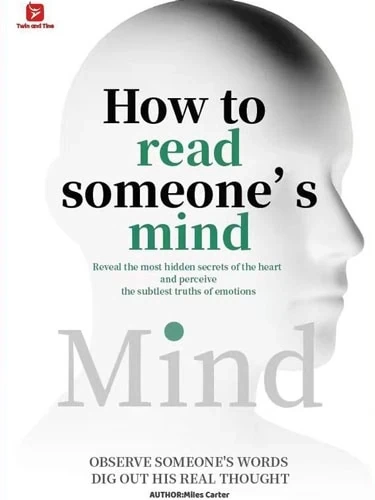
Imagine a team meeting. A deadline was missed. Everyone knows the reasons—unclear brief, tight timeline, competing priorities. But one person keeps pointing at you: “If you had sent the files earlier, we would have made it.”
You feel defensive. But Carter teaches you to look past the words. Blame is rarely about the facts. It is about fear—fear of looking bad, fear of losing status, fear of being exposed.
“Blame is a shield. The louder the accusation, the more someone is trying to hide their own failure.”
Carter shows you how to read the signals behind blame: the defensive posture, the rehearsed tone, the refusal to acknowledge any nuance. Once you see blame as a defense mechanism, you stop taking it personally. You start responding strategically instead of emotionally.
For anyone tired of being the scapegoat and ready to see blame for what it really is.
Mistakes Were Made (But Not by Me) by Carol Tavris and Elliot Aronson
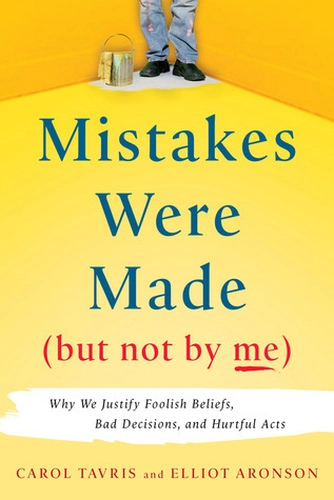
Two psychologists wrote the definitive book on self‑justification. Their central insight: when people make mistakes, their brains rewrite the story to protect their self‑image. Blaming others is the most common way to do that.
They call it “cognitive dissonance.” The pain of admitting “I was wrong” is so uncomfortable that we unconsciously twist reality. Suddenly, it is your fault, not theirs. They truly believe it.
“The brain is not a truth‑seeking device. It is a self‑justifying device.”
The book is full of examples—from everyday arguments to courtroom trials to political scandals. It shows how blame escalates, how it destroys trust, and how to break the cycle by facing the discomfort of being wrong.
For anyone who wants to understand why otherwise reasonable people refuse to take responsibility.
Leadership and Self‑Deception by The Arbinger Institute
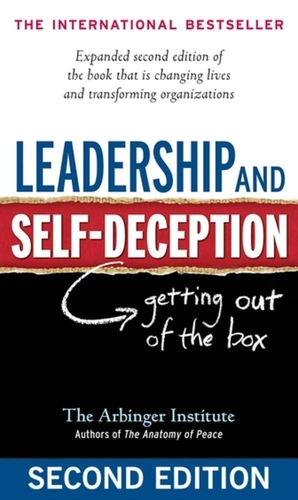
This book looks at blame from a different angle. It argues that when we blame others, we “enroll” ourselves in a distorted view of the world. We see others as obstacles or objects, not as real people with real struggles.
When you are in “self‑deception,” you are convinced you are right and they are wrong. Your blame feels justified. But the book shows that blame is actually a sign that you have stopped seeing the humanity in the other person.
“Blame is not about what happened. It is about how you are seeing the other person.”
The book offers a way out: shift your mindset from “self‑justification” to “radical responsibility.” Not by taking blame for everything, but by honestly asking what your contribution is—and by seeing others as people, not villains.
For anyone who wants to move beyond blame and build healthier relationships at work and at home.
If you want to read the signals behind blame and stop taking it personally, start with Carter. If you want to understand the psychology of self‑justification, pick up Tavris and Aronson. If you are ready to shift your own mindset and stop the blame cycle, go with Arbinger.
