You know the rhythm.
Paycheck comes in. Bills go out. You tell yourself this month will be different. Then something comes up. A car repair. A dinner you could not skip. An expense you forgot to plan for. And you are right back where you started. The money is gone. The stress is back. And the next paycheck already feels too far away.
This is not about how much you earn. It is about how you think about money. And until that changes, no raise will be enough.
The three books below each approach the problem from a different angle. One rewires how you think about wealth and debt. One gives you a practical system for keeping more of what you earn. One reveals the mindset that separates those who build wealth from those who stay stuck.
From Debt to Wealth by Owen Pierce
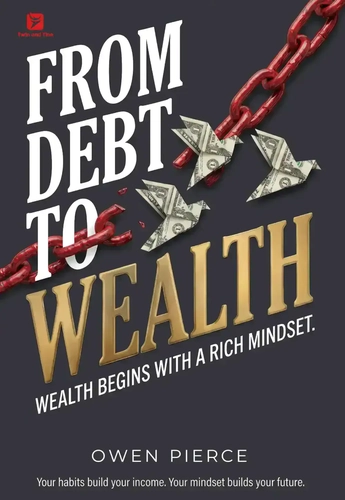
Why do you earn more but never feel wealthier?
Pierce’s book starts with a counterintuitive premise. Wealth is not compensation for hard work. It is compensation for cognition. Most people work more hours, chase bigger paychecks, buy things that signal success, and end up deeper in debt. They are optimizing the wrong thing.
The book explains why a salary is a starting point, not a destination. Why luxury drains wealth instead of building it. Why the poor seek comfort while the rich embrace discomfort. Why the fastest path to a million is not a bigger paycheck but investing in yourself. It shows you how to escape the cycle of earning and spending by making money work for you instead of the other way around.
What makes this book essential is the shift in perspective. It does not tell you to earn more. It tells you to think differently about what you already earn. And once you do, the paycheck-to-paycheck cycle loses its grip.
For anyone who keeps earning more and feeling poorer.
The Total Money Makeover by Dave Ramsey
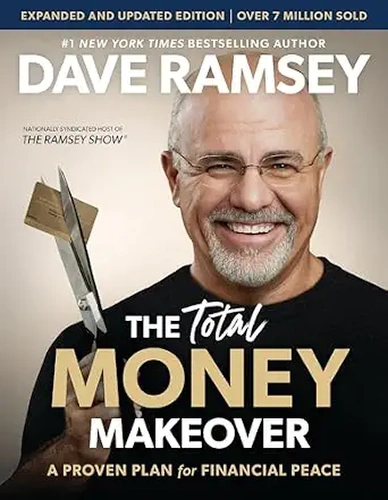
What if breaking the cycle required a radical reset?
Ramsey’s approach is not subtle. It is aggressive. And for people stuck in the cycle, that is exactly what they need. He lays out a step-by-step system that starts with a $1,000 emergency fund and works through debt snowballs, cash-only envelopes, and intense saving. No nuance. No exceptions. Just a plan that works if you follow it.
What makes this book valuable is the clarity. You are not left wondering what to do next. You are given a roadmap. You start with one step, then the next, then the next. And slowly, the cycle breaks.
For anyone who needs a clear system to get out of debt and stay out.
The Millionaire Next Door by Thomas J. Stanley and William D. Danko
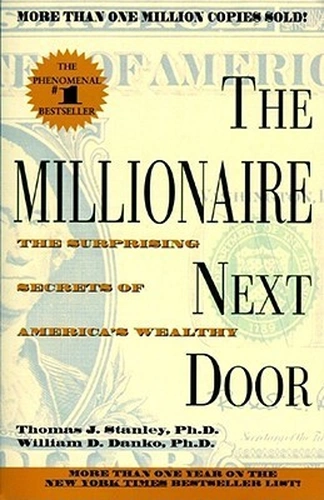
What do wealthy people actually do differently?
Most people think wealth is about high income. Stanley and Danko spent years studying actual millionaires and discovered something surprising. Most of them do not live in fancy houses or drive expensive cars. They live below their means. They save aggressively. They invest consistently. They do not look wealthy, but they are.
The book breaks down the habits that separate wealth builders from wage earners. How the wealthy think about spending, saving, and risk. Why they avoid lifestyle inflation. Why they focus on building assets instead of buying status. It is not about deprivation. It is about direction.
For anyone who wants to know what real wealth building actually looks like.
These three books each approach the paycheck-to-paycheck cycle from a different angle. Pierce rewires how you think about money. Ramsey gives you a system to break the cycle now. Stanley and Danko show you what wealth building actually looks like.
If you are tired of earning more and feeling poorer, start with the one that matches where you are stuck. Need to rethink what wealth means? Start with Pierce. Need a system to get out now? Start with Ramsey. Need to see what wealthy people actually do? Start with Stanley and Danko.
No raise will fix a broken mindset. But the right book can.
