You have seen it happen.
Someone works hard, saves, plays by the rules. Another person seems to coast, takes risks, and somehow ends up with more. The gap widens. You wonder: is it luck? Family money? Is there a secret no one told you?
The answer is simpler and harder than you think. The rich do not get richer because they work harder—they get richer because they think differently about money. These three books show you exactly how.
| Book | Core Focus | Best For |
|---|---|---|
| From Debt to Wealth by Owen Pierce | The cognitive gap between wealth builders and wage earners | Anyone who feels like they are working hard but getting nowhere |
| Rich Dad Poor Dad by Robert Kiyosaki | Why assets make you wealthy and liabilities keep you poor | People who confuse earning with building wealth |
| The Millionaire Next Door by Thomas J. Stanley & William D. Danko | How actual millionaires live, save, and invest | People who want to see the real habits behind the wealth |
From Debt to Wealth by Owen Pierce
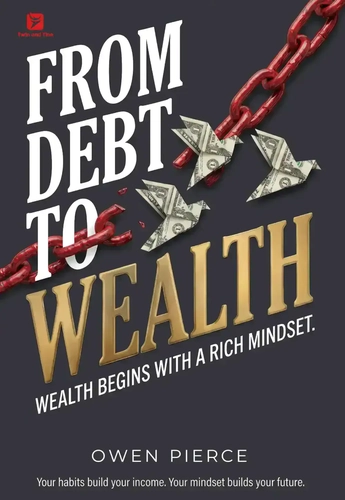
Why do the rich get richer while you stay stuck?
Pierce cuts through the myths. Wealth is not a reward for hard work—it is compensation for your cognition. Most people work longer hours and get nowhere. The wealthy think differently and get more with less effort.
What Pierce reveals:
· The paycheck is a trap. A salary feels safe. It is also the ceiling. The wealthy build income streams that do not depend on their time.
· Luxury keeps you poor. That house, that car? They look like success. They are actually liabilities draining your wealth. The rich buy assets; everyone else buys things that lose value.
· Discomfort is the price of entry. The poor seek comfort. The rich embrace the discomfort of risk, delayed gratification, and tough decisions.
· Money must work for you. If you work for your money, you will always trade time for income. If your money works for you, your income grows while you sleep.
Pierce gives you a framework to shift your own mindset: how to stop living paycheck to paycheck, how to save $10k in 90 days, and how to think about money like someone who builds wealth rather than chasing it.
For anyone who feels like they are running faster and getting slower.
Rich Dad Poor Dad by Robert Kiyosaki
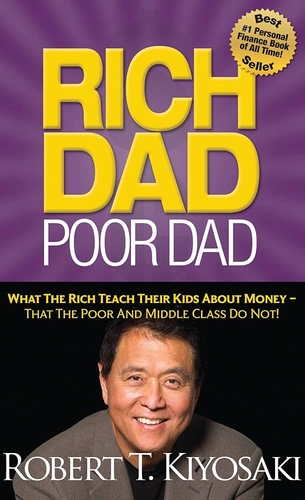
What do the wealthy know that you do not?
This is the book that changed how millions think about money. Kiyosaki contrasts two fathers—his own “poor dad” who played by the rules, and his friend’s “rich dad” who played by a different set of rules altogether.
The core difference:
· Poor dad said “go to school, get a good job, save money.” Rich dad said “learn how money works, build assets, let money work for you.”
· Poor dad saw a house as an asset. Rich dad saw a house as a liability—something that takes money out of your pocket.
· Poor dad avoided risk. Rich dad understood risk and managed it.
Kiyosaki does not just explain the gap. He shows you how to move from one side to the other—by learning the language of money, buying income‑generating assets, and building systems that create wealth even when you are not working.
For anyone who wants to see the world the way the wealthy see it.
The Millionaire Next Door by Thomas J. Stanley and William D. Danko
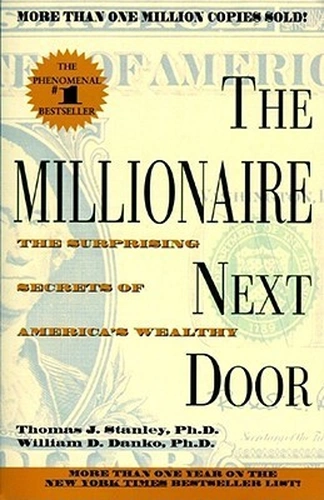
What do actual millionaires look like?
Spoiler: not what you think. Stanley and Danko spent years studying real millionaires—not the ones on TV, but the ones who live in your neighborhood, drive used cars, and shop at regular stores.
What they found:
· Wealth is invisible. Flashy cars and designer clothes are not signs of wealth—they are signs of spending. Most millionaires live well below their means.
· They are disciplined, not lucky. Luck plays a role, but consistent habits—budgeting, investing, avoiding debt—matter much more.
· They stay invested. They do not chase trends. They build wealth slowly, patiently, and protect it.
· They teach their children. Wealth is passed down not just in money, but in mindset.
This book is a reality check. It strips away the myths of overnight success and shows you what building wealth actually looks like: boring, steady, and deliberate.
For anyone who wants to stop being impressed by flash and start becoming wealthy.
If you want to understand the cognitive gap that separates wage earners from wealth builders, start with Pierce. If you want the classic framework on assets vs. liabilities, read Kiyosaki. If you want to see what real wealth looks like, go with Stanley and Danko.
