Communication influences almost every relationship in life.
The way people share ideas, express emotions, and respond to others can determine whether conversations create connection or misunderstanding.
Many people want to communicate better but struggle with:
- Finding the right words
- Explaining their thoughts clearly
- Expressing emotions calmly
- Handling important conversations
Effective communication is not about talking more.
It is about making your message clearer, more thoughtful, and easier for others to understand.
The right communication books can help you develop better habits and improve the way you interact with people every day.
Say It Right Every Time by Miles Carter
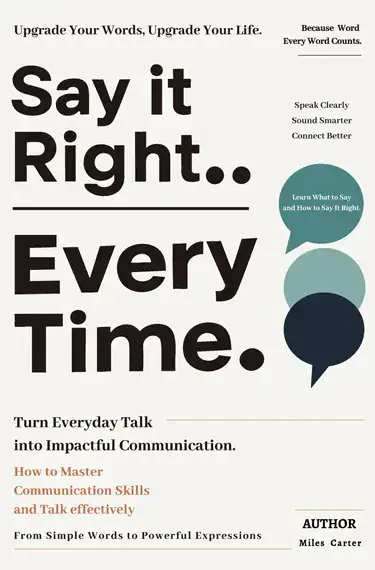
Say It Right Every Time by Miles Carter focuses on helping readers communicate with more clarity and confidence.
The book explores how everyday conversations can improve when people become more intentional with their words.
Readers can learn how to:
- Express thoughts in a clearer way
- Communicate feelings more effectively
- Avoid unnecessary misunderstandings
- Make conversations more meaningful
The book emphasizes that good communication is not only about what you say, but also about how your message is delivered.
For anyone who wants to improve personal and professional conversations, this book offers practical guidance for becoming a more effective communicator.
How to Win Friends and Influence People by Dale Carnegie
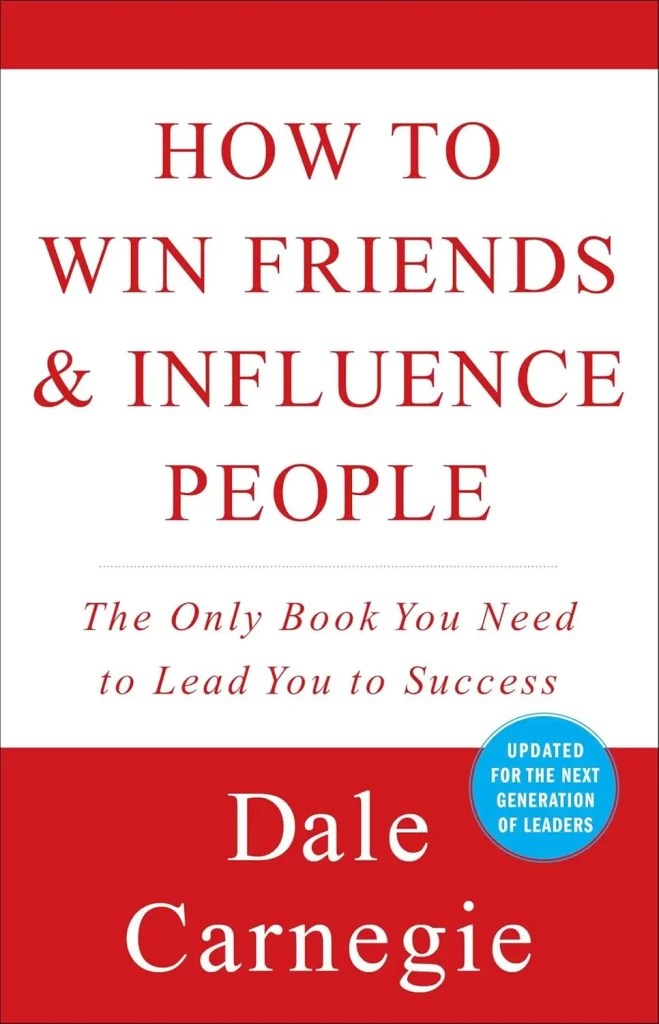
How to Win Friends and Influence People by Dale Carnegie is a classic book about human connection and communication.
The book explains how better interactions can help people build stronger relationships.
Readers can learn valuable communication principles, including:
- Creating positive conversations
- Showing appreciation
- Understanding different viewpoints
- Building trust with others
Its lessons continue to be useful for people who want to improve their communication skills in everyday situations.
Crucial Conversations by Kerry Patterson, Joseph Grenny, Ron McMillan, and Al Switzler
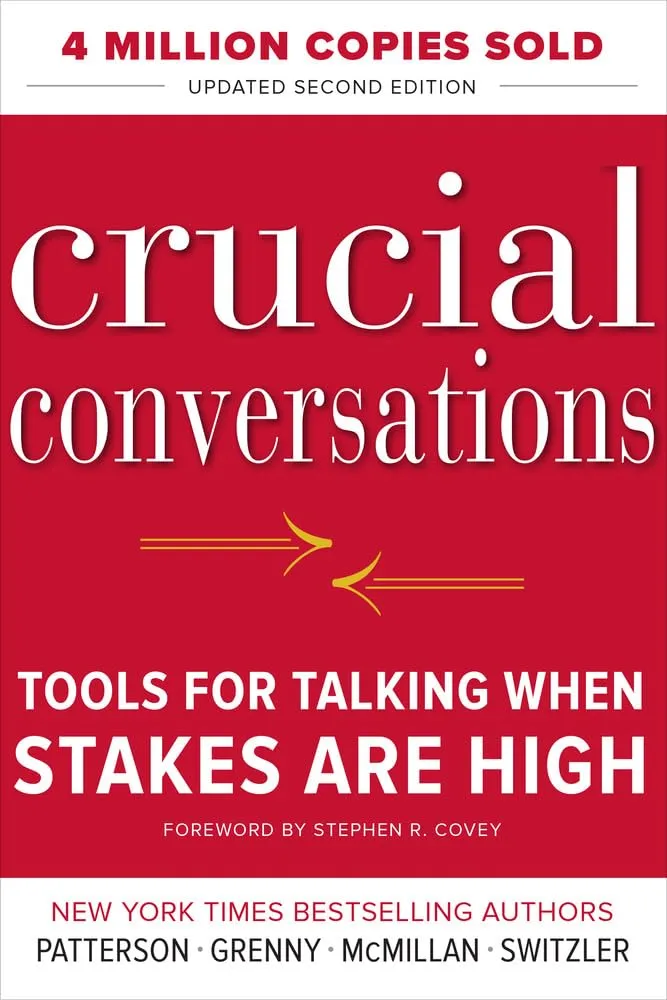
Crucial Conversations by Kerry Patterson, Joseph Grenny, Ron McMillan, and Al Switzler focuses on communicating during moments when emotions and opinions are strong.
The book provides strategies for handling conversations involving:
- Disagreements
- Important decisions
- Workplace challenges
- Relationship concerns
It helps readers learn how to express their perspective while keeping conversations productive and respectful.
Why Effective Communication Skills Matter
Communication affects how people build trust and maintain relationships.
Strong communication skills can help you:
- Reduce misunderstandings
- Express your needs clearly
- Create stronger connections
- Handle disagreements more effectively
Improving communication is a skill that can benefit both personal and professional life.
Express Your Ideas With More Clarity
Many communication problems happen because people know what they feel but cannot organize their thoughts.
Taking time to understand your main message can help you communicate more confidently.
Choose Words That Create Understanding
The same idea can be received differently depending on the words you choose.
Thoughtful communication can make conversations easier and more productive.
Communicate With Confidence and Respect
Effective communication requires both honesty and consideration.
Sharing your thoughts clearly while respecting others helps create healthier interactions.
Who Should Read These Books?
These books may be helpful for people who:
- Want to improve their communication skills
- Feel misunderstood during conversations
- Want stronger personal relationships
- Need better communication habits at work
- Want to become more confident speakers
Final Thoughts
Communication is a skill that improves through awareness and practice.
Learning how to express ideas, handle conversations, and connect with others can create positive changes in many areas of life.
Books like Say It Right Every Time by Miles Carter, How to Win Friends and Influence People by Dale Carnegie, and Crucial Conversations by Kerry Patterson, Joseph Grenny, Ron McMillan, and Al Switzler can help readers develop stronger communication habits and build more meaningful relationships.
Better conversations begin with better communication choices.