Many people experience moments when their thoughts feel impossible to slow down.
A simple conversation can replay in your mind.
A small mistake can become something you analyze repeatedly.
A future decision can create endless “what if” questions.
Overthinking often feels like your brain is trying to protect you, but too much mental repetition can create stress and emotional exhaustion.
Learning how to manage anxious thoughts does not mean ignoring problems.
It means developing healthier ways to understand your thoughts and respond to them.
The right books can help you recognize mental patterns, reduce unnecessary worry, and create more emotional balance.
Break the Anxiety Circle by Miles Carter
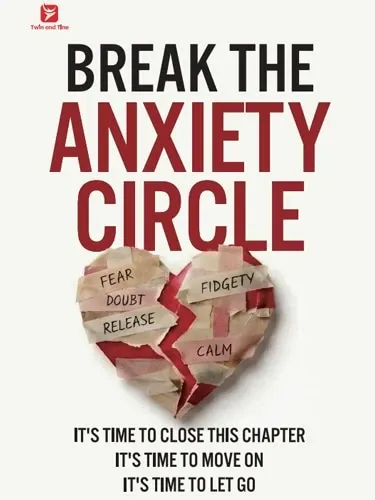
Break the Anxiety Circle by Miles Carter focuses on helping readers understand the patterns that keep anxiety and overthinking active.
The book explores how repeated thoughts can create emotional cycles that are difficult to break.
Readers can learn how to:
- Recognize anxious thinking patterns
- Create distance from overwhelming thoughts
- Reduce mental stress
- Develop healthier responses to uncertainty
Rather than encouraging people to simply “think positive,” the book focuses on building awareness and changing the way people interact with their thoughts.
For anyone who feels trapped in constant worry or mental exhaustion, this book provides practical guidance for creating a calmer mindset.
The Anxiety and Phobia Workbook by Edmund J. Bourne
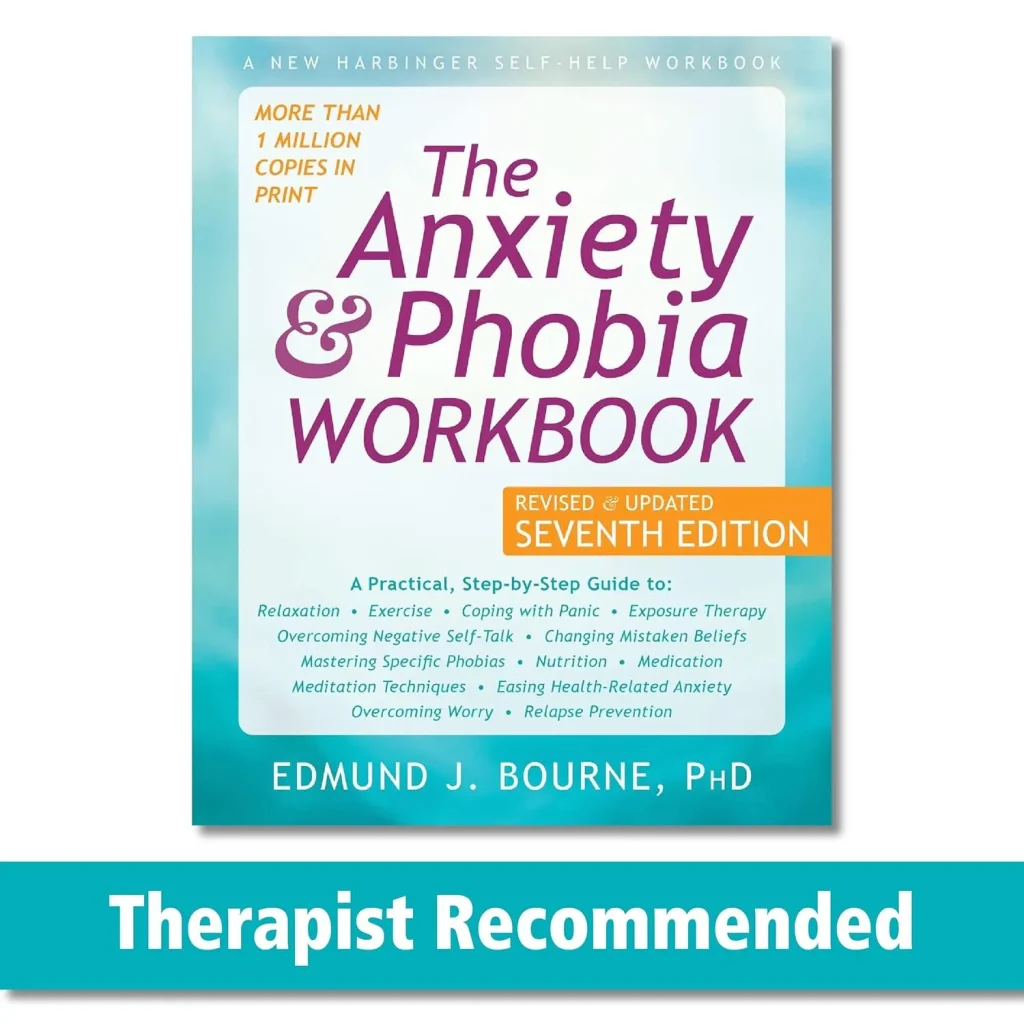
The Anxiety and Phobia Workbook by Edmund J. Bourne provides practical exercises for people who want to better understand and manage anxiety.
The book covers strategies related to:
- Identifying anxiety triggers
- Building coping skills
- Managing stressful thoughts
- Developing emotional resilience
It is a useful resource for readers who want structured activities and practical methods for handling anxious feelings.
The Untethered Soul by Michael A. Singer

The Untethered Soul by Michael A. Singer explores the relationship between awareness, thoughts, and inner peace.
The book encourages readers to observe their thoughts instead of automatically reacting to them.
It helps readers reflect on:
- Mental habits
- Emotional reactions
- Inner conversations
- Personal freedom
For people who often feel controlled by their own thoughts, this book offers a different perspective on creating more emotional space.
Why Overthinking Can Feel So Exhausting
Overthinking is not simply thinking deeply.
It often involves repeating the same worries without reaching a solution.
People may find themselves:
- Replaying past situations
- Predicting negative outcomes
- Questioning every decision
- Searching for certainty that may not exist
Understanding this pattern is the first step toward changing it.
Notice Your Thought Patterns
Many anxious thoughts happen automatically.
Learning to notice these patterns can help you understand when your mind is creating unnecessary stress.
Awareness gives you the ability to respond differently.
Separate Problems From Worries
Some thoughts require action.
Others are simply repeated worries about possibilities.
Learning the difference can help reduce mental overload and create more clarity.
Create Healthier Mental Habits
Changing thought patterns takes practice.
Small habits such as reflection, mindfulness, and intentional thinking can help create a calmer relationship with your thoughts.
Who Should Read These Books?
These books may be helpful for people who:
- Overthink everyday situations
- Feel mentally exhausted from constant worrying
- Want to manage anxious thoughts better
- Are interested in personal growth
- Want to build emotional resilience
Final Thoughts
A busy mind can make everyday life feel overwhelming.
Learning how to understand your thoughts and manage anxiety patterns can help create more peace and confidence.
Books like Break the Anxiety Circle by Miles Carter, The Anxiety and Phobia Workbook by Edmund J. Bourne, and The Untethered Soul by Michael A. Singer can help readers develop healthier thinking habits and create a stronger connection with themselves.
Breaking the anxiety cycle starts with understanding your mind and learning new ways to respond.