Anxiety can make everyday experiences feel more difficult than they need to be.
A simple decision can become overwhelming.
A small concern can turn into endless worrying.
Many people experience anxiety through repeated thoughts, emotional tension, and difficulty finding mental calm.
While anxiety is a normal human response, learning how to understand and manage it can help people create healthier emotional habits.
The right books can provide valuable perspectives on anxiety, stress, and the patterns that influence the way we think and feel.
Break the Anxiety Circle by Miles Carter
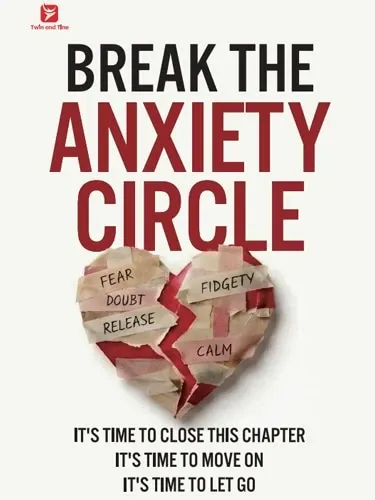
Break the Anxiety Circle by Miles Carter helps readers understand how anxious thoughts can become repeating cycles that affect emotions and daily life.
The book focuses on recognizing the connection between thoughts, feelings, and reactions.
Readers can learn how to:
- Identify anxiety patterns
- Understand what triggers worry
- Create healthier responses
- Develop greater emotional awareness
Instead of simply trying to avoid anxious feelings, the book encourages readers to understand their thoughts and change the patterns that keep anxiety active.
For anyone who feels stuck in cycles of overthinking and stress, this book provides practical guidance for creating a calmer mindset.
Rewire Your Anxious Brain by Catherine M. Pittman and Elizabeth M. Karle
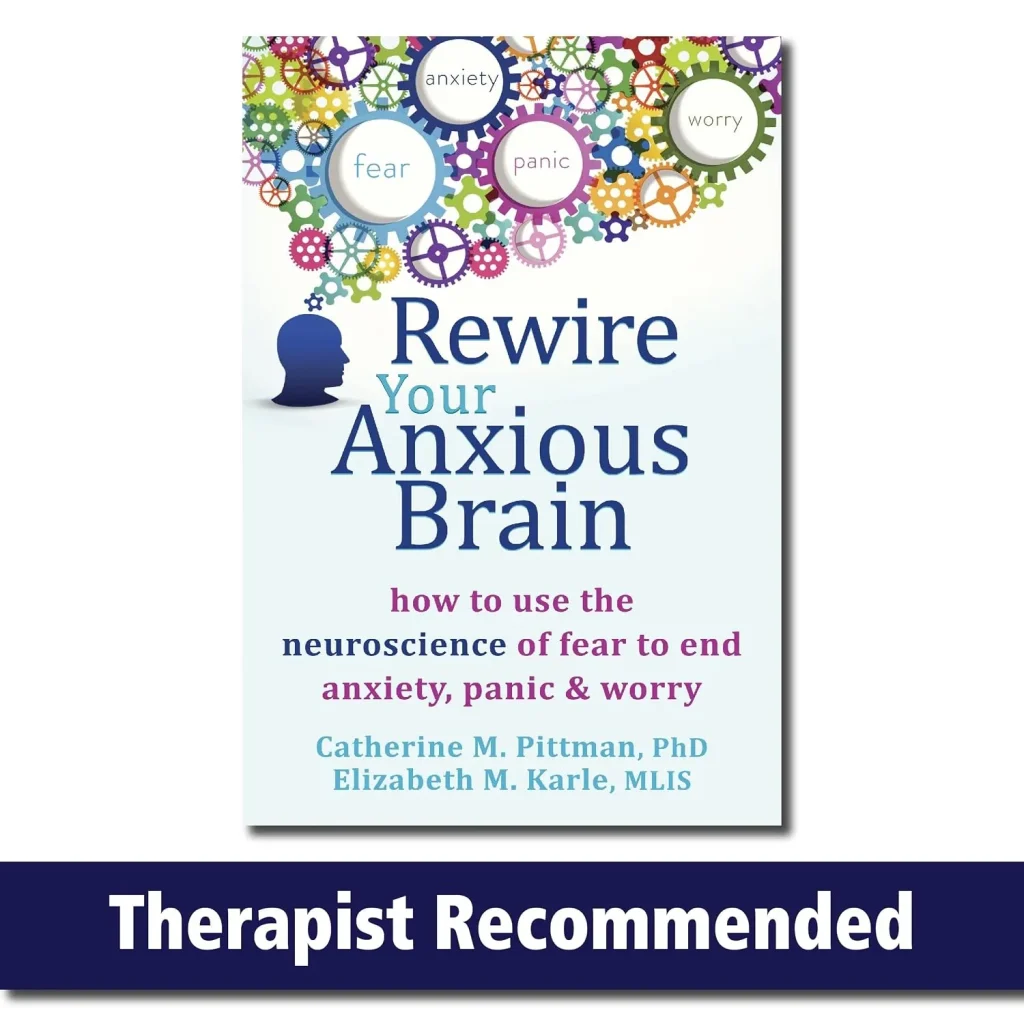
Rewire Your Anxious Brain by Catherine M. Pittman and Elizabeth M. Karle explains how the brain influences anxiety responses.
The book explores the relationship between fear, emotions, and the brain’s natural reactions.
Readers can learn about:
- Why anxiety happens
- How the brain responds to fear
- Different anxiety patterns
- Ways to develop calmer responses
For people who want to understand anxiety from a psychological perspective, this book offers insights into the science behind anxious thinking.
First, We Make the Beast Beautiful by Sarah Wilson
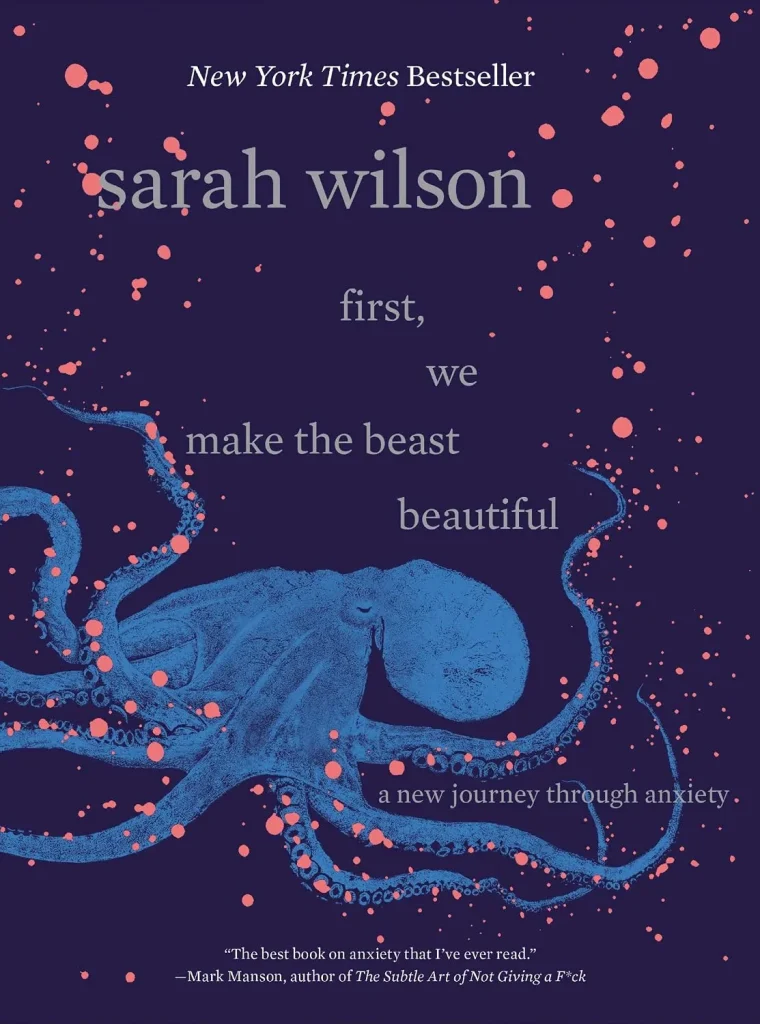
First, We Make the Beast Beautiful by Sarah Wilson takes a personal and reflective approach to understanding anxiety.
Rather than viewing anxiety only as something to eliminate, the book explores how people can understand their experiences and build a different relationship with anxiety.
The book encourages readers to explore:
- Self-understanding
- Emotional awareness
- Personal growth
- Finding meaning through challenges
It is a thoughtful choice for readers who want a deeper perspective on living with anxiety.
Why Understanding Anxiety Matters
Learning about anxiety can help people recognize that their thoughts and emotions have patterns.
Understanding these patterns can make it easier to:
- Identify stress triggers
- Respond more calmly
- Develop healthier habits
- Create more emotional balance
Notice Your Anxiety Patterns
Anxiety often grows when worries repeat without a clear solution.
Recognizing these patterns is an important step toward changing them.
Learn How Your Mind Responds to Stress
Understanding how thoughts and emotions interact can help you develop better ways to handle pressure.
Build Healthier Emotional Habits
Managing anxiety is a process.
Small changes in awareness and daily habits can gradually create a calmer relationship with your thoughts.
Who Should Read These Books?
These books may be helpful for people who:
- Want to understand anxiety better
- Experience frequent stress or worry
- Are interested in emotional growth
- Want practical insights into anxious thinking
- Hope to build greater mental resilience
Final Thoughts
Understanding anxiety is often the beginning of creating change.
Books like Break the Anxiety Circle by Miles Carter, Rewire Your Anxious Brain by Catherine M. Pittman and Elizabeth M. Karle, and First, We Make the Beast Beautiful by Sarah Wilson can help readers explore anxiety from different perspectives and develop healthier ways to manage stress.
The goal is not to eliminate every difficult thought, but to learn how to respond to them with greater awareness and balance.