There is a kind of abandonment that does not announce itself.
No fight. No closing conversation. No moment when things break. Just a slow fade. Calls that stop being returned. Plans that stop being made. Someone who once leaned on you now leans elsewhere. They do not say goodbye. They just become busy.
When this happens, you do not feel angry. You feel used. And the hardest question is not “why did they go?” but “was I ever anything more than what I could do for them?”
The three books below each address a different layer of this pattern. One helps you understand the logic behind transactional relationships. One explains why some people are wired to leave when closeness deepens or usefulness ends. One gives you a way to stop repeating the same cycle of giving and being left.
Awakening to Human Nature by Owen Pierce

What happens when relationships become transactional?
Pierce’s book does not soften the truth. It names something that most people feel but rarely admit: many relationships are built on utility. People connect because they need something. They stay as long as that need is met. They leave when it is not.
This does not mean they are evil. It means they are human. And human relationships are rarely as unconditional as we pretend they are.
The book explains why loyalty often expires when needs change. Why people reward those who serve them and forget those who served them before. Why kindness is sometimes mistaken for availability. Why those who are no longer useful become those who are no longer remembered.
This is not about becoming cold. It is about becoming honest. When you stop assuming every relationship will last forever, you stop being blindsided when they do not. You start choosing your connections with more intention. You start recognizing the difference between people who value you and people who value what you provide.
For anyone who has ever felt loved for what they could give, not for who they were.
Attached by Amir Levine and Rachel Heller
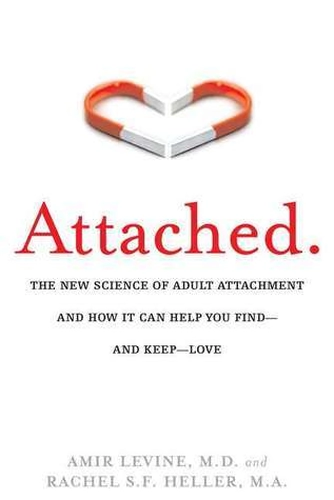
Why are some people able to leave without looking back?
Levine and Heller’s book explains attachment styles—the patterns that shape how people behave in relationships. Secure people are comfortable with closeness. Anxious people worry about being abandoned. Avoidant people pull away when things get too close.
This last group is the one that matters here. People with avoidant attachment do not necessarily leave because you are no longer useful. They leave because closeness itself feels threatening. They keep relationships at a safe distance. They do not rely on others. And when someone becomes too important, they often find reasons to distance themselves.
For them, your “usefulness” was not a calculation. It was a way to maintain connection without real intimacy. They could accept your help, your time, your support—as long as it did not require them to be vulnerable in return. But when the dynamic shifts, when you need something back, they often disappear.
This is not malice. It is survival. But it is still a pattern that leaves others feeling used.
For anyone who has ever been abandoned by someone who seemed to need them—until they did not.
The Human Magnet Syndrome by Ross Rosenberg
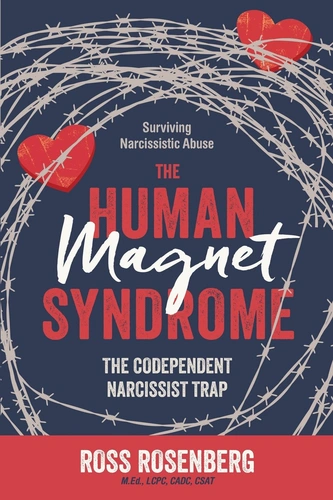
How do you stop attracting people who only stay as long as you are useful?
You recognize the pattern. You understand why they leave. Now you have a harder question: why do I keep ending up here?
Rosenberg’s book is about the dynamic between givers and takers. People who are natural caregivers often attract people who are natural receivers. The system works—until the giver stops giving. When that happens, the receiver has no reason to stay. They were never there for the person. They were there for what the person provided.
What makes this book valuable is the focus on the giver’s pattern. If you keep being abandoned when you are no longer useful, it is not bad luck. It is a pattern of who you choose. The book helps you recognize why you are drawn to people who need what you have—and why that dynamic feels like love.
For anyone who wants to stop repeating the same cycle of giving and being left.
These three books each offer a different lens on transactional relationships. Pierce explains why people treat relationships as exchanges. Levine and Heller explain the attachment style that makes distance feel safe. Rosenberg helps you understand your own role in the pattern.
If you have ever been abandoned by someone who once claimed to need you, start with the one that matches where you are stuck. Need to understand the logic? Start with Pierce. Need to understand the leaver? Start with Levine and Heller. Need to understand yourself? Start with Rosenberg.
People who leave when you are no longer useful were never there for you. They were there for what you gave. That is not a judgment. It is a distinction. One that can save you from wondering “what did I do wrong?”