You have been there. Someone seemed trustworthy. They said the right things. They made you feel safe. And then, when it mattered, they were not who you thought they were.
That is the problem with trust. It is invisible. You cannot see it until you have already given it.
This book changes that.
Why Trust Is So Hard to Get Right
We trust people based on the wrong signals. A confident voice. A warm smile. A convincing story. These are easy to fake. And people fake them every day.
The people who are best at appearing trustworthy are often the least trustworthy. They have had more practice.
At the same time, truly trustworthy people can seem guarded, cautious, or slow to open up. They do not perform for approval. They are not trying to win you over quickly.
The result? You trust the wrong people and doubt the right ones.
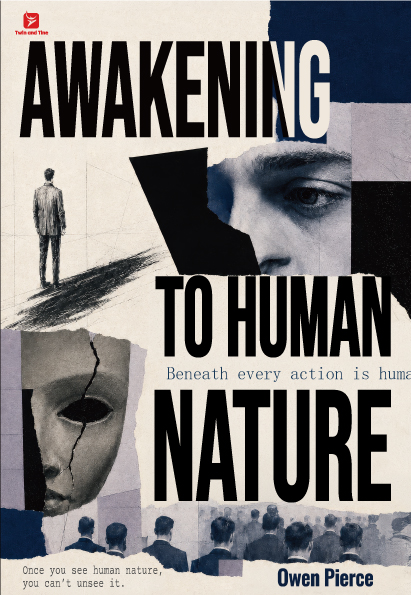
What This Book Teaches You
Pierce gives you a framework for reading people beyond their words. The book does not ask you to become suspicious of everyone. It asks you to become observant.
It shows you how to spot the gap between what people say and what they do.
This is the single most reliable signal. Words are flexible. Actions are not. The person who talks about loyalty but disappears when you need them is telling you who they are. The person who makes grand promises but never follows through is giving you the information you need. The book teaches you to stop ignoring that information.
It explains why people deceive themselves — and why that matters for trust.
The people who betray your trust are not always lying to you. Often, they are lying to themselves. They genuinely believe they are good people, that they meant well, that they had no choice. This makes them more dangerous, not less, because they believe their own excuses. Pierce explains how to recognize self-deception so you stop mistaking it for sincerity.
It reveals the hidden motives people do not admit to.
People are rarely driven by what they say drives them. They are driven by status, validation, security, and fear. These are not bad motives — they are just motives. But when you do not see them, you misread the person. You think they are acting out of loyalty when they are acting out of self-interest. You think they care about you when they care about how you make them feel.
It teaches you to trust patterns, not moments.
One good moment does not make a trustworthy person. One bad moment does not make an untrustworthy one. The book teaches you to look for consistency over time — the long view that reveals who someone actually is.
What This Book Does Not Do
It does not teach you to trust no one.
That is the wrong answer. Life is impossible without trust. The goal is not to avoid trust. The goal is to place it wisely.
It does not teach you to rely on intuition.
Intuition is useful, but it is not a system. It can be fooled by charm, confidence, and familiarity. This book gives you something more reliable than intuition: a framework.
It does not make you cynical.
Cynicism is not the same as clarity. Cynicism assumes the worst. Clarity sees what is actually there. This book is about the second one.
Who Is This Book For?
- People who have trusted the wrong person and want to stop repeating the pattern
- People who feel naive but do not want to become bitter
- People who want to trust more wisely, not less
- People who are tired of being surprised by other people’s behavior
- People who want to protect themselves without building walls
A Simple Test
If you have ever said or thought any of these, this book is for you:
- “How did I not see that coming?”
- “They seemed so genuine.”
- “I should have known better.”
- “I keep giving people the benefit of the doubt and regretting it.”
- “I want to trust people, but I keep getting burned.”
