You have probably asked yourself at some point: Am I too trusting? Do I miss things that other people seem to catch? Why do I keep being surprised by how people act?
If those questions feel familiar, this book is likely for you.
But let me be more specific.
This book is for you if any of this sounds familiar
You have been called naive.
Not in a cruel way. Maybe someone said it gently. Or maybe you said it to yourself. You assume people mean what they say. You give them the benefit of the doubt. And sometimes — more often than you would like — you find out you were wrong.
The book is not about becoming cynical. It is about becoming clear. It helps you distinguish between genuine trustworthiness and a convincing performance.
You replay conversations in your head.
You walk away from an interaction and think: What did they really mean by that? Was I being tested? Did I miss something?
Most people do this occasionally. But if you do it often, it is a sign that you are sensing something — just not clearly enough to name it. The book gives you the framework to turn that vague unease into specific observations.
You do good work but keep getting overlooked.
You show up. You deliver. You are reliable. But someone else gets the credit. Someone else gets promoted. You tell yourself it is politics, but you do not understand how to navigate it.
The book covers workplace dynamics directly. It explains why effort alone is not enough, and what you need to pay attention to instead.
You have been manipulated and realized it too late.
Someone guilt‑tripped you into doing something you did not want to do. Someone made you feel like you owed them. Someone used your kindness against you. You gave in. And later, you felt used and confused.
The book includes a section on manipulation tactics — how they work, how to spot them, and how to shut them down.
You are tired of being surprised by people.
You do not expect people to be evil. You just wish they were more predictable. You wish you could see the signs before it is too late.
This is the core promise of the book. Not that people will stop being complicated. But that you will stop being blindsided by them.
You want to understand people, not just interact with them.
You are genuinely curious about human behavior. You read psychology. You observe people. But you still feel like there is a layer you are missing — something beneath the surface that explains the patterns.
The book gives you that layer. It is not a collection of tips. It is a framework.
A simple test
If you have ever said or thought any of these things, this book is for you:
- “How did I not see that coming?”
- “Why do people act like that?”
- “I feel like everyone else knows something I don’t.”
- “I keep getting taken advantage of and I don’t know why.”
- “I want to understand people better, not just get better at small talk.”
Final thought
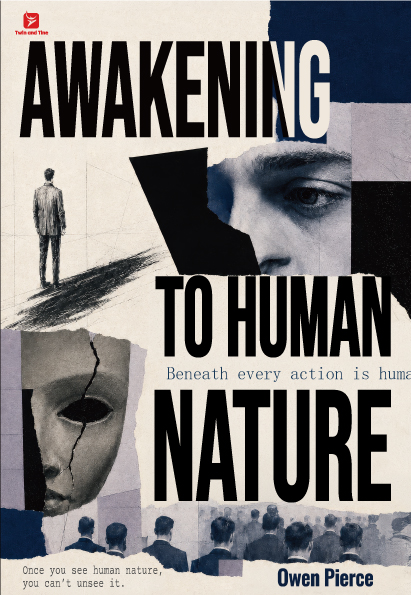
Awakening to Human Nature is for people who are ready to stop being surprised by others — and to start seeing people clearly, including themselves.
It is not a book about becoming harder. It is a book about becoming clearer. And clarity, once you have it, changes everything.
If this sounds like where you are, start here.