You text first. You check in. You remember their birthday, their work stress, their family drama. You listen to their problems, celebrate their wins, and show up when they need you.
Then you realize: they do not do any of that for you.
One-sided friendships are exhausting. They leave you feeling used, invisible, and quietly resentful. You start to wonder: Am I expecting too much? Or am I just not seeing something clearly?
These three books help you understand why you keep ending up in these relationships — and what to do about it.
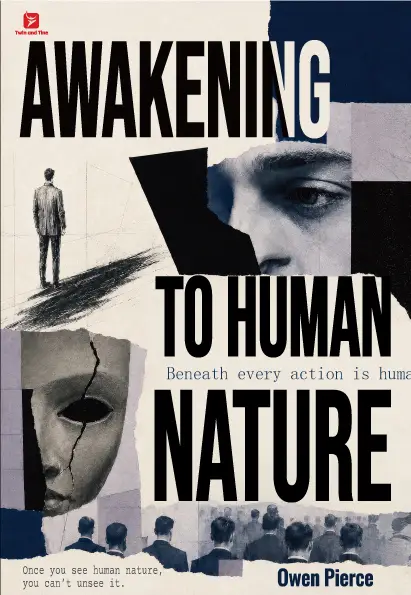
Awakening to Human Nature by Owen Pierce
Why do you keep giving to people who do not give back?
Pierce explains that most relationships operate on hidden dynamics — unspoken expectations, uneven needs, and patterns that repeat themselves long before you notice.
One-sided friendships are rarely about the other person being a villain. Often, they are about a mismatch: you give because you are wired to give. They take because they are wired to take. And you do not see the pattern until you are already drained.
The book gives you a framework for reading these dynamics early. It helps you distinguish between someone having a rough patch and someone who simply expects you to do all the work. You learn to read the signals that reveal whether a relationship is a partnership or a performance.
Pierce also covers manipulation tactics like guilt and obligation. If you have ever stayed in a friendship because you felt bad for leaving, this chapter is for you.
For anyone who has ever thought: “I give so much — but they never seem to notice what they’re not giving back.”

The Art of Friendship by Shasta Nelson
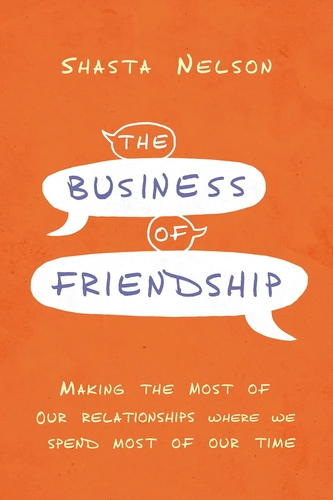
Why do some friendships feel balanced and others feel like work?
Nelson, a friendship researcher, has spent years studying what makes friendships last. Her answer is simple: healthy friendships depend on three things — consistency, vulnerability, and positivity. When one of these is missing, the relationship tips into imbalance.
She explains why we tolerate one-sided friendships longer than we should. We tell ourselves the other person is busy. We tell ourselves they will show up when it really matters. We tell ourselves we are just being good friends.
But the truth is that a friendship that is one-sided is not a friendship. It is a pattern. Nelson gives you practical tools to assess your friendships honestly — and to have the hard conversations or make the hard exits when needed.
For anyone who has stayed in a friendship too long because they were afraid to admit it was not working.
Codependent No More by Melody Beattie
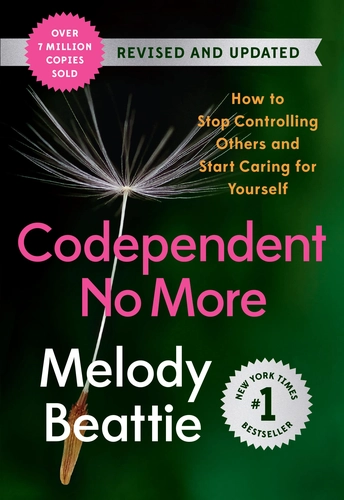
What if the problem is not them — but your pattern of over‑giving?
Beattie’s classic is about codependency, a pattern of giving too much to others at your own expense. It is often discussed in the context of addiction, but it applies just as clearly to one‑sided friendships.
Codependency is the belief that you must earn love by being useful. You stay in one‑sided friendships because leaving feels like failure. You keep giving because not giving feels like abandonment.
This book does not just help you understand the pattern. It gives you a way out. It teaches you to stop measuring your worth by how much you do for others. It gives you permission to say no, to ask for what you need, and to walk away from relationships that drain you.
For anyone who has ever felt like they have to earn friendship through sacrifice.
Which book should you start with?
If you want to understand the hidden dynamics that keep you stuck in one‑sided friendships, start with Pierce. He gives you the clarity to see the pattern before it drains you.
If you want a practical assessment of your friendships and a framework for making them better — or ending them — read Nelson. She gives you the tools.
If you recognize that you have a pattern of over‑giving, read Beattie. She gives you the deeper awareness.