You have seen it. Someone says “I’m fine,” but their arms are crossed, their voice is flat, and their eyes won’t meet yours. Words say one thing. The body says another.
Most body language books treat gestures like a dictionary. This one treats them like a conversation. Here are three books that help you follow it.
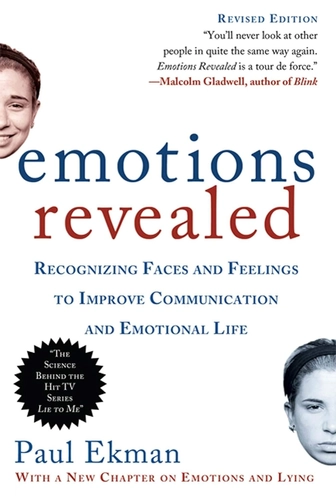
How to Read Someone’s Mind by Miles Carter
The real signal is in the gap.
Most body language advice asks you to memorize gestures. Crossed arms = defensive. No eye contact = lying. But people are not dictionaries. A person can cross their arms because they are cold. They can avoid eye contact because they are shy.
Carter’s book teaches you something better: spotting mismatches. The gap between what someone says and what their body does. The moment their tone goes flat while their words stay positive. The pattern of closing off every time a certain topic comes up.
One signal is nothing. A pattern of mismatches tells you everything. This is not about memorizing a list. It is about learning to see when someone is not saying what they mean — even when they do not realize it themselves.
For anyone who wants to stop reading gestures and start reading people.
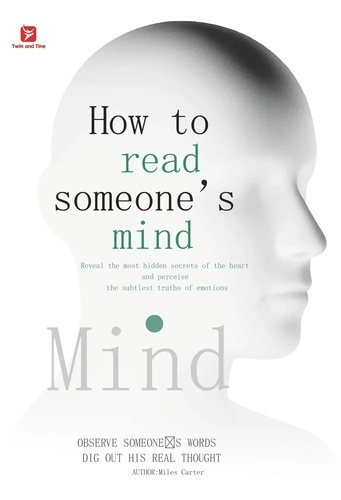
What Every Body Is Saying by Joe Navarro
The body cannot fake comfort.
Navarro spent 25 years in the FBI reading people under pressure. He learned that the most honest part of the body is the feet, because it is the least controlled. Hands reveal stress. Pacifying behaviors — touching the neck, rubbing the face — reveal hidden discomfort.
His key insight: baseline behavior. You cannot read someone until you know how they act when comfortable. Once you have that, deviations become obvious. You stop looking for “signs of lying” and start looking for signs of internal change — anxiety, discomfort, fear. That is the psychology of body language.
For anyone who wants to read what the body cannot hide.
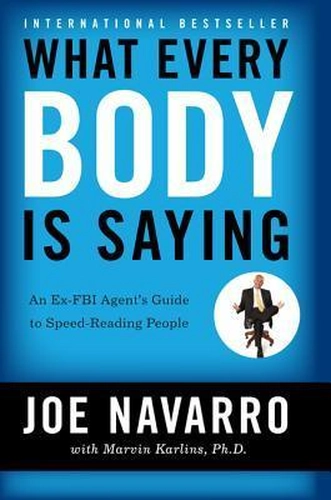
Emotions Revealed by Paul Ekman
The face tells the truth in a fraction of a second.
Ekman is the pioneer of micro-expressions — the involuntary facial movements that last less than a second. These are the signals people cannot control. A flash of contempt. A brief tightening around the eyes. They reveal emotion before the person has even registered it.
He identified seven universal emotions behind every expression. Once you know them, you stop guessing what people are feeling and start seeing it in real time — even when they are trying to hide it.
For anyone who wants to master the most honest part of body language: the face.
Which one should you start with?
If you want to spot the gap between words and body, start with Carter. He gives you the framework.
If you want to read involuntary, hidden signals, read Navarro.
If you want to master facial expressions, read Ekman.
