Stress and anxiety are two experiences that many people confuse.
You may feel overwhelmed, restless, or mentally exhausted and wonder:
“Am I just stressed, or is this something deeper?”
Although stress and anxiety can feel similar, they are not exactly the same.
Understanding the difference can help you recognize what your mind and body are experiencing and find healthier ways to respond.
What Is Stress?
Stress is usually a response to a specific situation, challenge, or demand.
It often appears when you are dealing with something happening in your life, such as:
- A difficult project
- Financial pressure
- A major life change
- Relationship problems
- A busy schedule
Stress can actually be useful.
A certain amount of stress can motivate you to solve problems, prepare for challenges, and take action.
The important factor is whether the stress decreases after the situation improves.
What Is Anxiety?
Anxiety is more connected to fear, uncertainty, and anticipation.
Unlike stress, anxiety can continue even when there is no immediate problem happening.
It may involve:
- Constant worrying
- Expecting negative outcomes
- Replaying possible scenarios
- Feeling unable to relax
- Overanalyzing everyday situations
Anxiety often happens when the mind keeps trying to predict or prevent future problems.
Stress vs Anxiety: The Key Differences
Although stress and anxiety can overlap, there are some important differences.
| Stress | Anxiety |
|---|---|
| Usually connected to a specific situation | Can continue without a clear reason |
| Often improves after solving the problem | May continue even when things are fine |
| Focuses on current challenges | Often focuses on future possibilities |
| Can motivate action | Can create mental exhaustion |
Understanding this difference can help you identify whether you are dealing with temporary pressure or a deeper pattern of anxious thinking.
How Stress Can Turn Into Anxiety
Sometimes ongoing stress can contribute to anxiety.
When your mind stays in a constant state of alertness, it can begin to develop patterns such as:
- Always expecting problems
- Constantly searching for risks
- Feeling unable to switch off
- Preparing for worst-case scenarios
Over time, these patterns can become automatic.
This is why understanding your thought process is an important part of managing anxiety.
How to Know If Your Thoughts Are Driven by Anxiety
Your thoughts may be influenced by anxiety if you often:
- Imagine the worst possible outcome
- Worry about things you cannot control
- Need constant reassurance
- Overanalyze simple decisions
- Feel mentally tired from your own thoughts
The problem is not having negative thoughts.
Everyone experiences them.
The challenge is when those thoughts begin controlling your emotions and behaviors.
How to Build a Healthier Relationship With Your Thoughts
Whether you experience stress or anxiety, developing awareness can help.
Some helpful approaches include:
- Identifying repeated thought patterns
- Challenging unrealistic assumptions
- Focusing on what you can control
- Creating healthy daily routines
- Practicing emotional awareness
The goal is not to eliminate every difficult emotion.
The goal is learning how to respond to those emotions in a healthier way.
A Book That Helps You Understand Anxiety Patterns More Deeply
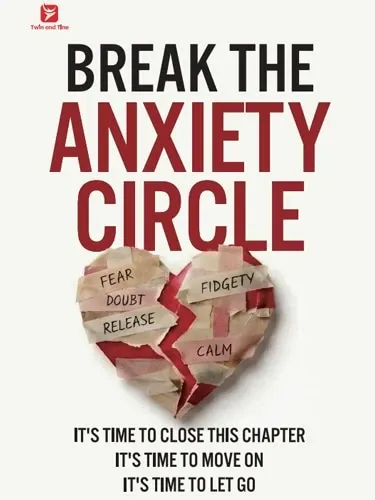
If you often struggle with worrying, overthinking, or feeling stuck in repeated thought cycles, learning the difference between stress and anxiety is only the first step.
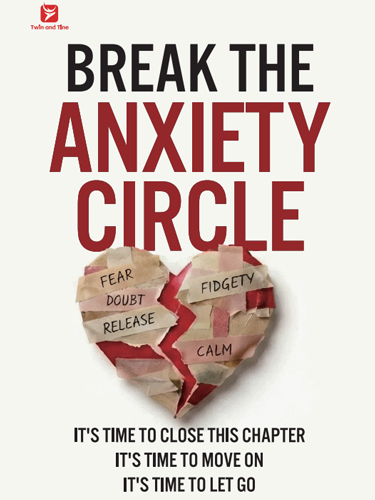
Break the Anxiety Circle by Miles Carter explores the deeper patterns behind anxious thinking and why certain worries continue to repeat.
The book focuses on understanding:
- How anxiety cycles develop
- Why certain thoughts become difficult to stop
- How emotional patterns influence daily life
- How greater awareness can help create change
Rather than viewing anxiety as something that simply appears, the book helps readers explore the connection between thoughts, emotions, and reactions.
Why Read Break the Anxiety Circle by Miles Carter?
This book may be helpful for people who:
- Frequently overthink situations
- Feel trapped in worry cycles
- Want to understand their anxious thoughts
- Struggle with uncertainty
- Are interested in emotional growth
For readers who want to go beyond temporary stress relief and understand the patterns behind anxiety, Break the Anxiety Circle by Miles Carter provides a deeper perspective.
Final Thoughts
Stress and anxiety may feel similar, but understanding their differences can change how you respond to them.
Stress often comes from challenges happening around you.
Anxiety often comes from the way your mind processes uncertainty and possible threats.
Learning to recognize these patterns is the first step toward creating a calmer and more balanced mindset.
For anyone looking to understand why anxious thoughts repeat and how to break those cycles, Break the Anxiety Circle by Miles Carter offers valuable insights into developing greater self-awareness.