An overactive mind can make everyday life feel more exhausting than it should.
Many people experience moments when their thoughts seem impossible to slow down.
They may find themselves:
- Replaying past conversations
- Worrying about future situations
- Imagining negative outcomes
- Overanalyzing small decisions
- Feeling mentally tired even when nothing is happening
Having occasional worries is normal.
However, when anxious thinking becomes a constant pattern, it can affect focus, sleep, relationships, and overall well-being.
The good news is that your thought patterns are not fixed.
By developing healthier mental habits, it is possible to create more calm and reduce the power of anxious thoughts.
Here are 7 habits that can help calm an overactive mind.
1. Create a Habit of Observing Your Thoughts
Many people become overwhelmed because they immediately believe every thought that appears.
A worry enters the mind, and it quickly feels like a fact.
For example:
“I made a mistake.”
can become:
“I always fail.”
Learning to observe thoughts without immediately reacting to them creates more emotional distance.
Instead of asking:
“Why am I thinking this?”
try asking:
“Is this thought actually helpful or realistic?”
This small shift can help break automatic anxiety patterns.
2. Write Down Your Worries Instead of Carrying Them
An anxious mind often feels crowded because too many thoughts are happening at the same time.
Writing thoughts down can help organize mental clutter.
A simple journaling habit can help you:
- Identify repeated worries
- Recognize patterns
- Separate facts from assumptions
- Process emotions more clearly
Putting thoughts on paper can make them feel more manageable.
3. Focus on What You Can Control
A common source of anxiety is spending too much energy on things outside your control.
You cannot control:
- Other people’s opinions
- Every possible future outcome
- Everything that happens around you
But you can control:
- Your responses
- Your actions
- Your daily choices
Redirecting attention toward what you can influence can reduce unnecessary worry.
4. Build Small Daily Routines
A calm mind often starts with a stable routine.
Simple habits such as:
- Regular sleep
- Daily movement
- Time away from screens
- Consistent personal routines
can help create a sense of balance.
When life feels unpredictable, healthy routines provide stability.
5. Practice Slowing Down Before Reacting
Anxiety often creates quick emotional reactions.
A stressful thought appears, and the mind immediately starts creating negative scenarios.
Building a pause before responding can help you regain control.
Before reacting, try:
- Taking a few deep breaths
- Asking what is actually happening
- Considering another perspective
A short pause can change the direction of your thoughts.
6. Reduce Negative Mental Patterns
Certain thinking habits can make anxiety stronger.
Common examples include:
- Expecting the worst
- Overgeneralizing one mistake
- Assuming what others think
- Focusing only on negative possibilities
Recognizing these patterns is the first step toward changing them.
A healthier mindset does not mean ignoring problems.
It means seeing situations more realistically.
7. Learn How Your Anxiety Cycle Works
Many people try to stop anxious thoughts without understanding why they happen.
However, anxiety often follows a pattern:
A thought creates fear.
Fear creates more attention on the thought.
More attention makes the worry feel stronger.
Understanding this cycle can help people respond differently.
A Book That Helps You Understand and Break Anxiety Patterns

Building healthier habits is important, but understanding the deeper patterns behind anxiety can make change easier.
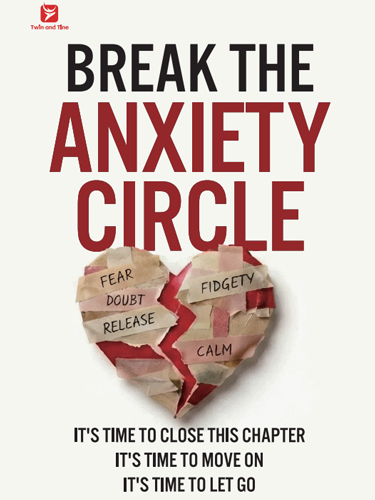
Break the Anxiety Circle by Miles Carter explores how anxious thoughts develop and why people often feel trapped in repetitive worry cycles.
The book focuses on helping readers:
- Recognize anxiety patterns
- Understand overthinking habits
- Develop healthier thought responses
- Create more emotional control
Instead of simply telling readers to “stop worrying,” the book explores the mechanisms behind anxious thinking and provides a more practical approach to breaking the cycle.
Why Read Break the Anxiety Circle by Miles Carter?
This book may be helpful for people who:
- Feel stuck in repeated worry
- Overthink everyday situations
- Want to understand their anxiety patterns
- Struggle with negative thoughts
- Hope to develop healthier mental habits
Understanding your mind is an important step toward changing your relationship with anxiety.
Final Thoughts
A calm mind does not come from never having difficult thoughts.
Everyone experiences worry, uncertainty, and stress.
The difference is learning how to respond when those thoughts appear.
By building healthier habits and understanding your thought patterns, you can gradually create more mental clarity and emotional balance.
For readers who want to understand why anxiety cycles happen and how to develop better ways of responding, Break the Anxiety Circle by Miles Carter offers valuable insights into managing anxious thinking and creating lasting change.