Every parent has their own approach to raising children.
Some parents focus on empathy, emotional understanding, and open communication.
Others believe structure, discipline, and clear expectations are the foundation of successful parenting.
This creates an ongoing discussion:
Should parents use a gentle approach that prioritizes emotional connection?
Or should they use a stricter approach that emphasizes rules and responsibility?
The truth is that parenting is rarely about choosing one extreme.
Understanding different parenting styles can help parents make more thoughtful decisions based on their child’s needs, personality, and development.
What Is Gentle Parenting?
Gentle parenting focuses on building a relationship based on respect, understanding, and emotional connection.
It does not mean allowing children to do whatever they want.
Instead, it emphasizes:
- Understanding emotions
- Respectful communication
- Guiding behavior instead of controlling it
- Creating trust between parents and children
A gentle parenting approach often asks:
“What is my child trying to communicate?”
rather than only asking:
“How do I stop this behavior?”
What Is Strict Parenting?
Strict parenting focuses on structure, rules, and clear expectations.
Parents who use this approach often emphasize:
- Discipline
- Responsibility
- Following rules
- Respect for authority
Structure can provide children with a sense of security because they understand boundaries and expectations.
However, problems may occur when discipline becomes focused only on control rather than understanding.
Gentle Parenting vs Strict Parenting: Key Differences
| Gentle Parenting | Strict Parenting |
|---|---|
| Focuses on emotional connection | Focuses on rules and expectations |
| Uses communication to guide behavior | Uses discipline to correct behavior |
| Encourages emotional expression | Emphasizes responsibility and obedience |
| Prioritizes understanding feelings | Prioritizes following boundaries |
| Builds cooperation through connection | Builds structure through clear limits |
Neither approach is simply “right” or “wrong.”
The effectiveness often depends on how parents apply these principles.
How Parenting Styles Influence Child Development
The way parents respond to children can influence:
- Emotional regulation
- Confidence
- Communication skills
- Problem-solving ability
- Relationship patterns
Children learn not only from what parents say.
They also learn from how parents respond during everyday situations.
For example:
A child who makes a mistake may learn differently depending on whether the parent responds with guidance or only criticism.
The Importance of Balance in Parenting
Many successful parenting approaches combine elements of different styles.
Children often need both:
Emotional Support
They need to feel:
- Loved
- Accepted
- Understood
- Safe expressing emotions
Healthy Boundaries
They also need:
- Clear expectations
- Consistent guidance
- Understanding of responsibility
A balanced approach helps children develop both emotional security and independence.
Why Understanding Your Parenting Style Matters
Many parents repeat parenting patterns they experienced growing up without considering whether those approaches fit their current family.
Reflecting on your parenting style can help you understand:
- Why you respond in certain ways
- What values you want to pass on
- How your reactions affect your child
- What kind of relationship you want to create
Parenting growth often begins with awareness.
A Book That Helps Parents Develop a More Intentional Approach
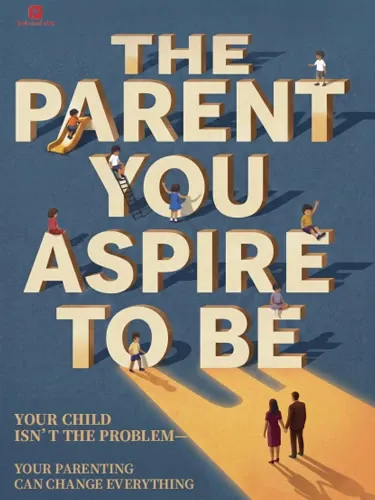
Choosing a parenting style is not only about techniques.
It is also about understanding your relationship with your child and the kind of parent you want to become.
The Parent You Aspire to Be by Miles Carter explores how parents can develop a more thoughtful and emotionally aware approach to parenting.
The book focuses on:
- Understanding children’s needs
- Building stronger family connections
- Improving parent-child communication
- Becoming more intentional in daily interactions
Rather than promoting one perfect parenting method, the book encourages parents to reflect on their own approach and create healthier relationships with their children.
Why Read The Parent You Aspire to Be by Miles Carter?
This book may be helpful for parents who:
- Want to understand their parenting style better
- Hope to improve communication with their child
- Want stronger emotional connections
- Are looking for a more balanced parenting approach
- Want to grow alongside their children
Final Thoughts
Gentle parenting and strict parenting represent different approaches to raising children.
One emphasizes emotional connection.
The other emphasizes structure and discipline.
However, the most effective parenting often comes from understanding your child while also providing healthy guidance.
The goal is not to become a perfect parent.
It is to become a more aware, supportive, and intentional one.
For parents who want to reflect on their parenting approach and build stronger relationships with their children, The Parent You Aspire to Be by Miles Carter provides valuable insights into creating a more meaningful family connection.