The way you think influences the way you experience the world.
Two people can face the same situation but react differently because they interpret it through different thinking patterns.
One person may immediately focus on possible problems.
Another person may look at the situation more calmly and consider different outcomes.
This difference often comes from the way the mind processes information.
Negative thinking patterns can make challenges feel larger and more threatening.
Realistic thinking helps people evaluate situations with more balance and clarity.
Understanding these different approaches can help you recognize how your thoughts influence your emotions.
What Are Negative Thinking Patterns?
Negative thinking patterns are repeated ways of interpreting situations that often increase stress, worry, or anxiety.
These thoughts may happen automatically without people realizing them.
Common examples include:
- Expecting the worst possible outcome
- Assuming you know what others are thinking
- Focusing only on mistakes or failures
- Blaming yourself for situations outside your control
- Believing temporary problems will last forever
For example:
“I made a mistake, so I am not good enough.”
This type of thought turns one experience into a much bigger conclusion.
What Is Realistic Thinking?
Realistic thinking does not mean ignoring problems or forcing yourself to stay positive.
Instead, it means looking at situations based on facts.
A realistic thinker may ask:
- What actually happened?
- What evidence supports this thought?
- Am I assuming something I do not know?
- What options do I have?
For example:
“I made a mistake, but I can learn from it and improve.”
Realistic thinking allows people to acknowledge challenges while avoiding unnecessary fear.
Negative Thinking vs Realistic Thinking: Key Differences
| Negative Thinking | Realistic Thinking |
|---|---|
| Focuses on fear and possible failure | Focuses on facts and solutions |
| Assumes negative outcomes | Considers multiple possibilities |
| Reacts emotionally | Responds thoughtfully |
| Makes problems feel overwhelming | Makes problems feel manageable |
| Often creates more worry | Creates more balance |
The goal is not to remove all negative thoughts.
Everyone experiences difficult emotions.
The goal is learning how to respond to thoughts in a healthier way.
How Negative Thinking Can Increase Anxiety
Anxiety often grows through repeated mental patterns.
A small concern may start with:
“What if something goes wrong?”
Then the mind creates more possibilities:
“What if I cannot handle it?”
“What if everything becomes worse?”
Eventually, the original concern becomes much bigger than the actual situation.
This is why repeated thinking patterns matter.
The problem is not always the first thought.
It is the cycle that keeps the thought active.
Why People Get Stuck in Negative Thought Patterns
The human mind naturally looks for possible risks.
This ability helps people prepare for challenges.
However, when this system becomes overactive, it can lead to:
- Constant worrying
- Overanalyzing situations
- Fear of uncertainty
- Difficulty relaxing
Many people do not need to “stop thinking.”
They need to learn how to think differently.
How Realistic Thinking Helps Build Emotional Strength
Realistic thinking creates a healthier distance from automatic reactions.
Instead of immediately believing every thought, you learn to examine it.
Helpful questions include:
- Is this thought based on facts or fear?
- What would I tell a friend in this situation?
- Is there another explanation?
- What can I control right now?
Over time, these habits can help create more balanced emotional responses.
Does this sound like you? There’s more to explore.
Explore the Collection →Awakening to Human Nature
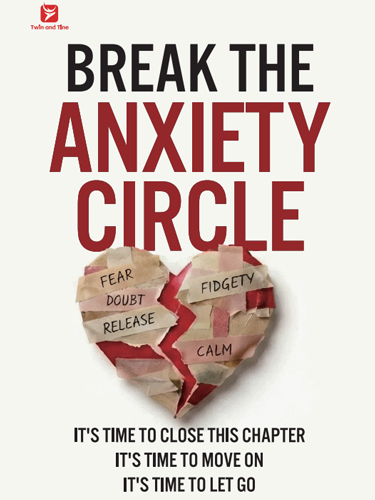
Break the Anxiety Circle
Say it Right..Every Time.
The Parent You Aspire to Be

A Book That Helps You Understand Your Thinking Patterns
Changing negative thinking patterns requires more than simply replacing bad thoughts with positive ones.
It requires understanding why certain thoughts appear and how they influence emotions.
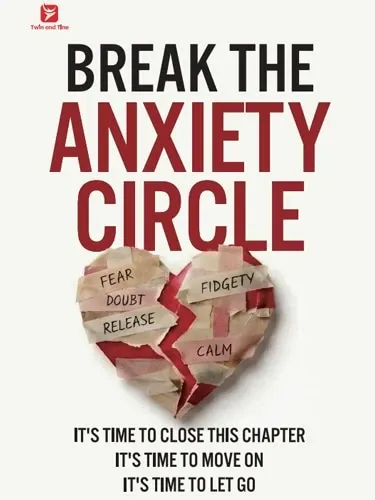
Break the Anxiety Circle by Miles Carter explores how anxiety cycles develop and why repeated thoughts can become difficult to break.
The book helps readers understand:
- How anxious thinking patterns form
- Why worries continue repeating
- How thoughts affect emotional reactions
- How to create healthier mental habits
Rather than encouraging people to ignore negative emotions, the book focuses on understanding the patterns behind them.
Why Read Break the Anxiety Circle by Miles Carter?
This book may be helpful for readers who:
- Frequently overthink situations
- Feel controlled by negative thoughts
- Want to understand their emotional patterns
- Struggle with repeated worry
- Hope to develop stronger mental habits
Understanding your thoughts is the first step toward changing your relationship with them.
Final Thoughts
Negative thinking and realistic thinking represent two different ways of responding to life.
Negative thinking often makes uncertainty feel more threatening.
Realistic thinking helps you approach challenges with greater clarity.
The goal is not to become positive all the time.
The goal is to become more aware of your thoughts and choose healthier responses.
For readers who want to understand anxiety cycles and improve their thinking patterns, Break the Anxiety Circle by Miles Carter provides valuable insights into building emotional awareness and developing a calmer mindset.