Every parent wants their child to grow into a confident, responsible, and emotionally healthy person.
However, parents often have different ideas about how to achieve that goal.
Some believe the strongest relationships are built through emotional connection, understanding, and cooperation.
Others focus more on rules, discipline, and maintaining control.
This creates an important parenting question:
Should parents focus more on connection or control?
The answer is not always about choosing one extreme.
Understanding different parenting approaches can help parents create a healthier balance between guidance and emotional support.
What Is Connection-Based Parenting?
Connection-based parenting focuses on building trust and emotional security between parents and children.
The main idea is that children are more likely to cooperate when they feel understood and connected.
This approach often includes:
- Listening to children’s feelings
- Respecting their perspective
- Creating open communication
- Guiding behavior through understanding
A connection-based parent may ask:
“What is my child experiencing right now?”
before asking:
“How do I correct this behavior?”
What Is Control-Based Parenting?
Control-based parenting places more emphasis on rules, obedience, and managing behavior.
Parents using this approach may focus on:
- Clear expectations
- Strong discipline
- Following instructions
- Immediate correction of mistakes
Structure can be helpful because children need boundaries to feel secure.
However, problems may occur when control becomes more important than understanding.
Connection-Based Parenting vs Control-Based Parenting: Key Differences
| Connection-Based Parenting | Control-Based Parenting |
|---|---|
| Focuses on relationship and trust | Focuses on behavior and obedience |
| Encourages communication | Emphasizes following rules |
| Seeks to understand emotions | Seeks to correct actions |
| Builds cooperation through connection | Builds structure through authority |
| Considers the child’s perspective | Prioritizes parental expectations |
Both approaches usually come from a desire to help children.
The difference is how parents choose to guide their children.
How Connection Influences Child Development
Children develop important emotional skills through their relationships with caregivers.
A strong connection can help children develop:
- Emotional confidence
- Better communication skills
- Trust in relationships
- Ability to express feelings
- Greater independence
When children feel safe and understood, they are often more willing to learn and grow.
Why Too Much Control Can Create Challenges
Rules and boundaries are important.
However, when parenting focuses only on control, children may experience:
- Fear of making mistakes
- Difficulty expressing emotions
- Less willingness to communicate openly
- Dependence on external approval
Children need guidance, but they also need to feel respected.
Why Connection Does Not Mean Lack of Discipline
A common misunderstanding is that connection-based parenting means allowing children to do anything.
This is not true.
Healthy connection includes:
- Clear boundaries
- Consistent expectations
- Respectful correction
- Teaching responsibility
The difference is that discipline becomes a way to guide children rather than simply punish them.
Finding a Balanced Parenting Approach
Effective parenting often combines:
Emotional Connection
Children need to know:
- They are loved
- Their feelings matter
- Their voice is heard
Healthy Guidance
Children also need:
- Boundaries
- Structure
- Support in making decisions
The goal is creating an environment where children feel both supported and guided.
A Book That Helps Parents Build Stronger Connections

Understanding parenting approaches is only the beginning.
The deeper challenge is learning how to apply these ideas in everyday family situations.
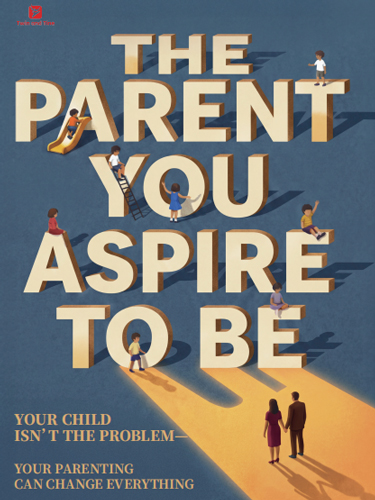
The Parent You Aspire to Be by Miles Carter explores how parents can create stronger relationships with their children through greater awareness and intentional parenting.
The book focuses on:
- Understanding children’s emotional needs
- Improving parent-child communication
- Building trust through daily interactions
- Becoming a more thoughtful and supportive parent
It encourages parents to look beyond short-term behavior management and focus on the long-term relationship they want to build.
Why Read The Parent You Aspire to Be by Miles Carter?
This book may be helpful for parents who:
- Want to strengthen their connection with their child
- Hope to improve communication at home
- Want a more balanced parenting approach
- Are looking for ways to respond more thoughtfully
- Want to understand their child better
Final Thoughts
Connection and guidance are both important parts of parenting.
Children need boundaries, but they also need emotional security.
The strongest parent-child relationships are often built when discipline and understanding work together.
By becoming more aware of your parenting approach, you can create a family environment based on trust, respect, and connection.
For parents who want to build deeper relationships with their children, The Parent You Aspire to Be by Miles Carter provides valuable insights into creating a more intentional and connected parenting style.