Effective communication in the workplace is essential for building trust, improving teamwork, and creating better professional relationships.
In many workplaces, problems are not always caused by a lack of ability.
They often happen because people struggle to:
- Explain ideas clearly
- Share feedback effectively
- Understand expectations
- Handle disagreements professionally
When communication is unclear, teams may experience:
- Confusion
- Delayed projects
- Unnecessary conflicts
- Poor collaboration
On the other hand, effective workplace communication helps people exchange ideas clearly, work together more efficiently, and create stronger professional connections.
Improving workplace communication requires more than simply talking more.
It requires learning how to organize information, choose the right words, and communicate with purpose.
The right books can provide useful strategies for developing these skills.
Here are 3 books that can help improve effective communication in the workplace.
1. Say It Right Every Time by Miles Carter
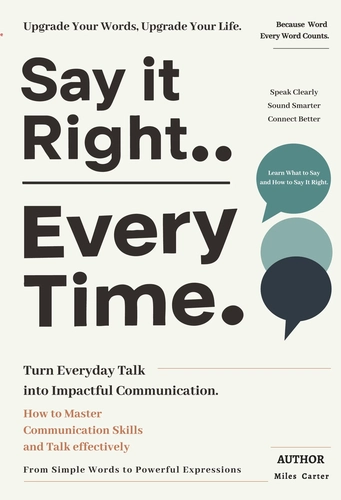
Best for improving clarity and confidence in professional communication
Workplace communication often depends on how effectively you express your ideas.
A good idea may lose its impact if it is explained poorly or delivered without enough clarity.
Say It Right Every Time by Miles Carter focuses on helping readers improve the way they communicate and express their thoughts.
The book explores:
- How to make messages clearer
- How language influences understanding
- How to express ideas with confidence
- How to improve everyday communication habits
For professionals who want to communicate more effectively at work, this book provides practical insights into making their words more impactful.
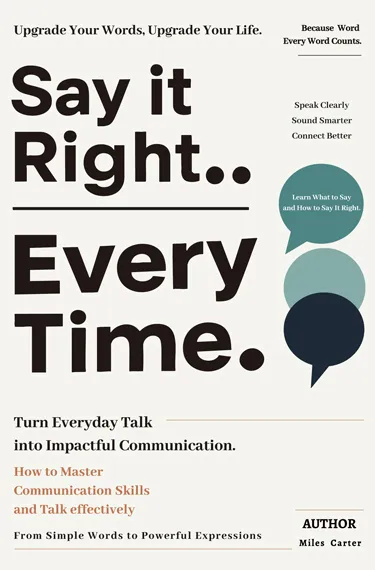
Say it Right..Every Time.
Miles CarterPractical communication tools for the moments that matter — say what you mean, calmly and confidently.
2. Crucial Conversations by Kerry Patterson, Joseph Grenny, Ron McMillan, and Al Switzler
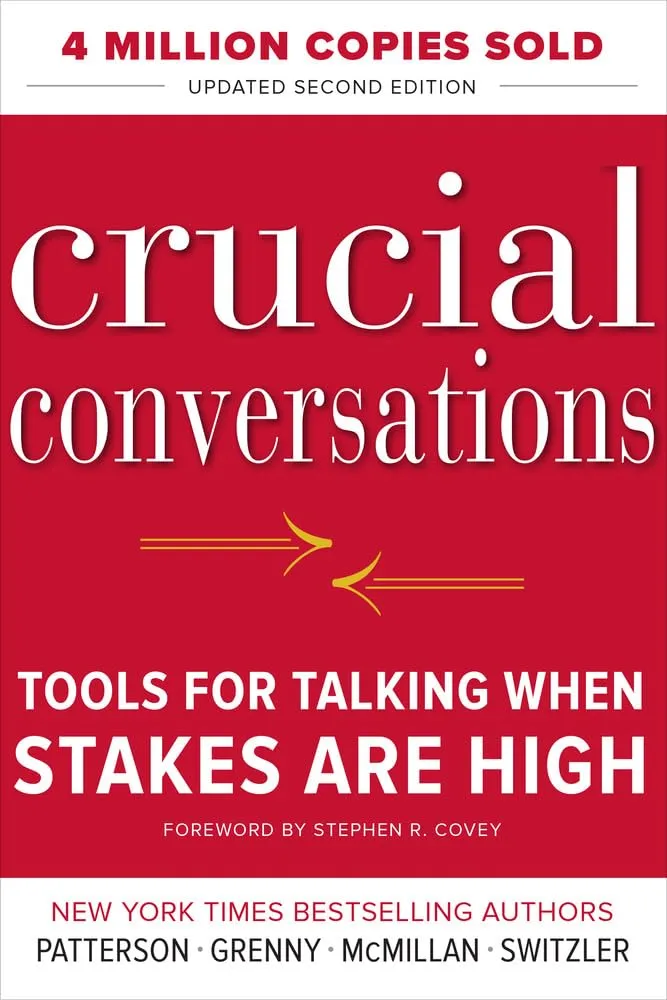
Best for handling challenging workplace discussions
Some workplace conversations are difficult because they involve different opinions, pressure, or strong emotions.
Crucial Conversations focuses on how people can communicate effectively during important discussions.
The book explores:
- Managing high-pressure conversations
- Expressing opinions respectfully
- Creating productive discussions
- Finding solutions during disagreements
It is useful for professionals who need to navigate complex workplace situations.
3. Radical Candor by Kim Scott
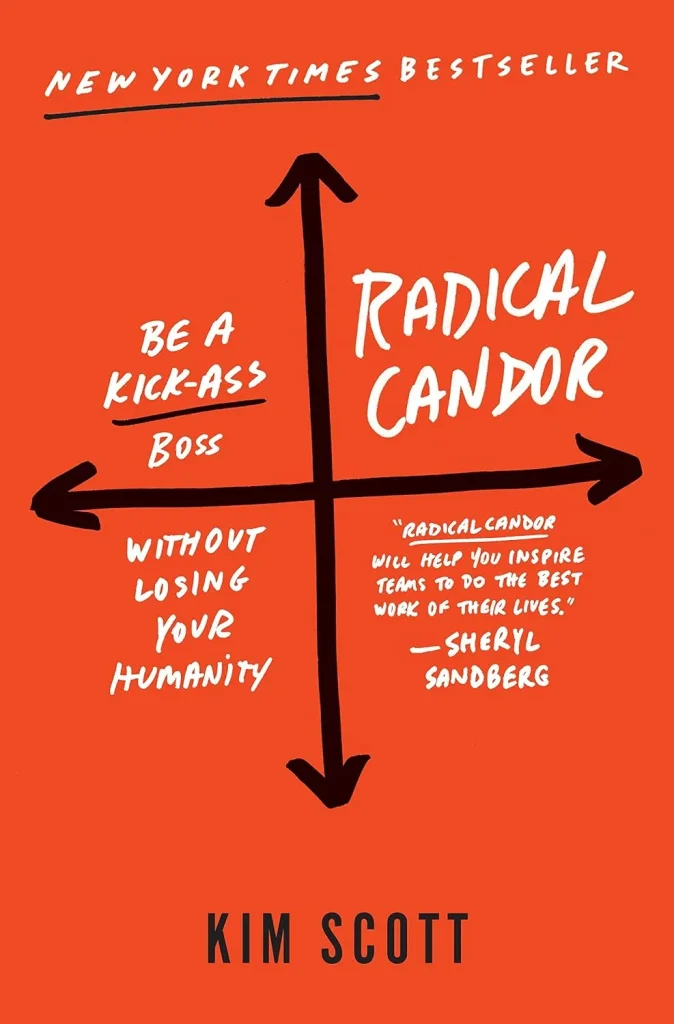
Best for improving feedback and team communication
Feedback is one of the most important parts of workplace communication.
However, many people struggle with finding the balance between honesty and maintaining positive relationships.
Radical Candor explores how people can communicate directly while still showing respect and care.
The book discusses:
- Giving better feedback
- Building trust within teams
- Improving leadership communication
- Creating healthier workplace relationships
It can help professionals understand how honest communication can strengthen collaboration.
Why Effective Communication In The Workplace Matters
Strong workplace communication can improve many areas of professional life.
Better Team Collaboration
When people understand goals and expectations clearly, teamwork becomes smoother.
Fewer Misunderstandings
Clear messages reduce confusion and help teams avoid unnecessary problems.
Stronger Professional Relationships
Good communication helps build trust between:
- Employees
- Managers
- Team members
- Clients
More Confidence When Sharing Ideas
Professionals who communicate clearly are often better able to contribute their thoughts and perspectives.
How to Improve Effective Communication In The Workplace
Developing better workplace communication involves several habits.
Organize Your Ideas Before Speaking
Before sharing information, consider:
- What is the main point?
- What does the listener need to know?
- What action should happen next?
Make Messages Clear and Specific
Avoid vague statements.
Instead of:
“We need to improve this.”
Try:
“We need to update this section before Friday’s meeting.”
Specific communication creates better understanding.
Choose the Right Communication Style
Different situations require different approaches.
A team update, feedback conversation, and client discussion may all require different communication methods.
Understanding the situation helps you communicate more effectively.
Choosing the Right Workplace Communication Book
Different books focus on different communication challenges.
If you want to improve overall clarity and expression,
Say It Right Every Time by Miles Carter focuses on helping readers communicate ideas more effectively.
If you want to handle difficult workplace conversations,
Crucial Conversations provides strategies for managing important discussions.
If you want to improve feedback and leadership communication,
Radical Candor offers insights into building trust through honest conversations.
Choosing the right resource depends on the specific communication skills you want to improve.
Final Thoughts
Effective communication in the workplace is a skill that can influence teamwork, relationships, and career development.
The ability to express ideas clearly, provide feedback, and handle conversations professionally can create better outcomes in almost every workplace environment.
Improving communication takes practice, but the right resources can make the process easier.
For professionals who want to become clearer, more confident communicators, Say It Right Every Time by Miles Carter provides valuable guidance for improving workplace communication and everyday expression.