I first heard the name Ruby Franke not from her channel, but from a news report about a parenting influencer being arrested. I only skimmed through it back then, thinking it was just another family tragedy in the social media age. Yet after reading The House of My Mother, I realized the story was far more layered than any headline could suggest. It kept making me wonder: when a family is put on full public display, what really happens behind the camera?
The author Shari Franke is the eldest child from the once hugely popular family vlog channel 8 Passengers, which boasted millions of subscribers. Viewers once envied their seemingly perfect life: a tidy home, well-behaved kids, positive parenting ideas, and Ruby, their mother, who always seemed endlessly energetic. But off-camera, Shari lived an entirely different reality.
In this memoir, she recounts her childhood. She grew used to being filmed and watched, only to gradually realize her life never truly belonged to herself. This resonates deeply with countless family content creators online today. People think they are sharing daily life, yet once views and followers become the priority, real life slowly turns into staged content.
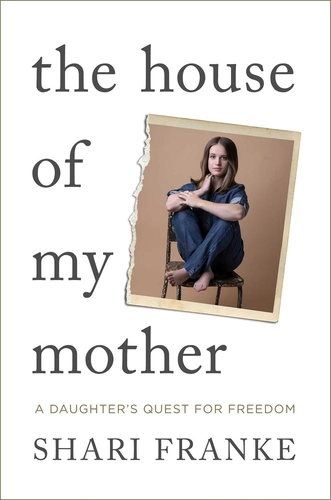
What strikes me most is that Shari never presents herself as a victim. She admits she once craved her mother’s approval and even enjoyed online fame. She tried hard to live up to her mother’s expectations, longing for praise and validation. That is why she felt utterly confused when her family fell apart.
She writes that children tend to rationalize their parents’ wrongdoings, for it is easier to believe they are loved than to admit they are being hurt. I paused for a long time after reading this line. Though my childhood was nothing like hers, I understand this mindset well. As kids, we instinctively trust our parents are right. Even when hurt, we tend to blame ourselves first.
As the story unfolds, the most disturbing truth comes to light. Ruby grew close to Jodi Hildebrandt, and the whole family fell prey to extreme, warped parenting beliefs. The children were forced into blind obedience, constantly filled with shame and guilt. What started out as strict discipline soon escalated into outright abuse, crossing all lines of proper parenting.
Shari describes how she watched things spiral out of control yet felt powerless to stop them. While reading these parts, I felt more weighed down than angry. Most manipulation never comes with shouting; it creeps into daily life under the disguise of “for your own good” and “this is how I show my love”.
One detail stays fresh in my mind. Living in such an environment for years made Shari doubt her own judgment. She could no longer tell if her feelings were genuine, nor distinguish normalcy from abuse.
It reminds me of a friend who was trapped in a controlling relationship for years. She told me the worst part was not her partner’s words, but losing her ability to think independently, always questioning if she was too sensitive or weak. Long-term dismissal from others will eventually make people deny themselves.
The greatest strength of The House of My Mother lies not in exposing scandals, but in documenting Shari’s journey to rebuild herself. Rather than focusing on accusations, she talks about learning to trust her own feelings, coming to terms with her past, and redefining what family truly means.
She finally understands that love does not equal obedience, nor does care equal control. A healthy family respects personal boundaries, instead of demanding everyone abandon their true selves to maintain a perfect public image.
Admittedly, the book has its limitations. As a personal memoir, it is told entirely from Shari’s perspective and inevitably carries subjective views. Readers looking for a full, unbiased investigative account may find it lacking in comprehensive facts. To me, however, this is hardly a flaw. Its greatest value lies not in the case itself, but in how one child makes sense of her painful upbringing.
After finishing the book, I kept reflecting on why we are so quick to believe in seemingly happy online families. We easily take staged footage as reality, orderliness as wellness, and compliance as love. This book serves as a stark reminder that real life always unfolds away from the lens. Those unfilmed moments of silence, confusion and struggle shape who we truly become.
It is never an easy read, yet it pushes us to rethink family dynamics, authority, and boundaries within close relationships — lessons that go far beyond Shari Franke’s personal story.
