For many people, nighttime is when the mind becomes the loudest.
During the day, responsibilities, conversations, and activities keep your attention occupied.
But when everything becomes quiet, your thoughts may start racing.
You might replay past conversations, worry about future situations, or think about problems you cannot solve at that moment.
This can make falling asleep difficult and leave you feeling mentally exhausted.
Common signs of nighttime overthinking include:
- Replaying the same thoughts repeatedly
- Worrying about things that have not happened
- Analyzing past mistakes
- Creating negative “what if” scenarios
- Feeling unable to relax your mind
Learning how to calm your thoughts before bed can help you create a healthier relationship with your mind.
Here are some practical ways to stop overthinking at night.
1. Write Down Your Thoughts Before Sleeping
One reason people overthink at night is that their brain is trying to hold onto unfinished thoughts.
Writing them down can help create a sense of mental release.
You can try:
- Writing what is worrying you
- Listing tasks for tomorrow
- Recording emotions you are experiencing
- Noting possible solutions
Putting thoughts on paper helps separate real problems from repeated mental loops.
You do not need to solve everything before sleeping.
Sometimes, your brain simply needs reassurance that the thought has been acknowledged.
2. Stop Trying to Force Yourself Not to Think
Many people make overthinking worse by fighting their thoughts.
They think:
“I need to stop thinking.”
“Why can’t I relax?”
“I should not feel this way.”
However, resisting thoughts can sometimes make them stronger.
Instead, try noticing your thoughts without judging them.
You can remind yourself:
“This is just a thought. I do not have to follow it.”
Learning to observe your thoughts can help reduce their control over you.
3. Create a Calming Night Routine
Your brain responds to repeated patterns.
A consistent bedtime routine can signal that it is time to slow down.
You can include:
- Reading a few pages of a book
- Taking a warm shower
- Listening to calming music
- Practicing deep breathing
- Reducing screen time
Small habits can help your mind transition from daily stress into a more relaxed state.
4. Challenge Negative Thought Patterns
Overthinking often involves repeating negative assumptions.
For example:
“I made a mistake, so everything is going wrong.”
“They did not reply, so they must be upset.”
“My future is uncertain, so something bad will happen.”
These thoughts may feel real, but they are not always accurate.
Try asking yourself:
“Is this a fact or a fear?”
“What evidence do I actually have?”
“Would I talk to a friend the way I talk to myself?”
Questioning your thoughts can help you develop a more balanced perspective.
5. Focus on What You Can Control
A major cause of overthinking is trying to control things that are uncertain.
You may spend hours thinking about:
- Other people’s opinions
- Future outcomes
- Past decisions
- Things you cannot change
Instead, focus your energy on what you can influence.
You can control:
- Your actions
- Your choices
- Your response to situations
- How you care for yourself
Letting go of unnecessary mental battles can bring more peace.
Why Does Overthinking Feel So Difficult to Stop?
Overthinking is often not about thinking too much.
It is about getting stuck in repeated thought patterns.
Your brain naturally tries to protect you by analyzing possible problems.
However, when this process becomes constant, it can create more stress instead of helping you find solutions.
The Need for Certainty
Many people overthink because they want to know exactly what will happen.
But life often involves uncertainty.
Learning to accept some uncertainty can reduce mental pressure.
Fear of Making Mistakes
Overthinking is sometimes connected to wanting to avoid failure.
However, mistakes are a normal part of growth.
Emotional Attachment to Thoughts
A thought can feel important simply because it creates a strong emotion.
Learning to separate feelings from facts can help you respond more calmly.
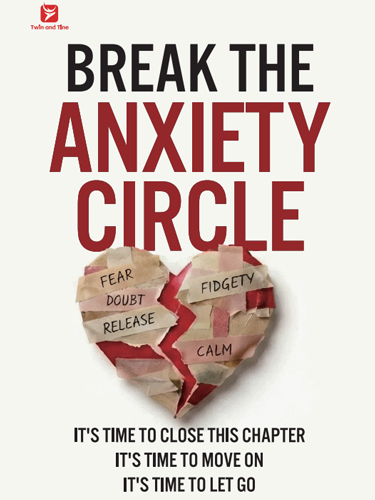
A Book That Helps Break the Cycle of Anxiety and Overthinking

Stopping overthinking is not only about managing individual thoughts.
It is also about understanding the patterns behind anxiety and learning how your mind responds to stress.
Break the Anxiety Circle by Miles Carter explores how anxious thinking patterns develop and how people can begin creating healthier mental habits.
The book focuses on:
- Recognizing anxiety patterns
- Understanding repetitive thoughts
- Building emotional awareness
- Developing a calmer mindset
For anyone who feels trapped in cycles of worry and overthinking, this book offers practical insights into breaking those patterns and creating more emotional balance.
Final Thoughts
Overthinking before bed can make your mind feel exhausted when you should be resting.
But your thoughts do not have to control your nights.
By creating calming habits, questioning negative thinking patterns, and learning to accept uncertainty, you can gradually build a calmer relationship with your mind.
Peace does not come from having no thoughts.
It comes from learning which thoughts deserve your attention.