The way people make money has changed. The old rules—get a degree, get a stable job, climb the ladder—do not work the same way anymore. The economy has shifted. Technology has changed. And the people who are actually building wealth in 2026 are doing things differently.
Here is what you need to know—and what to read to get there.
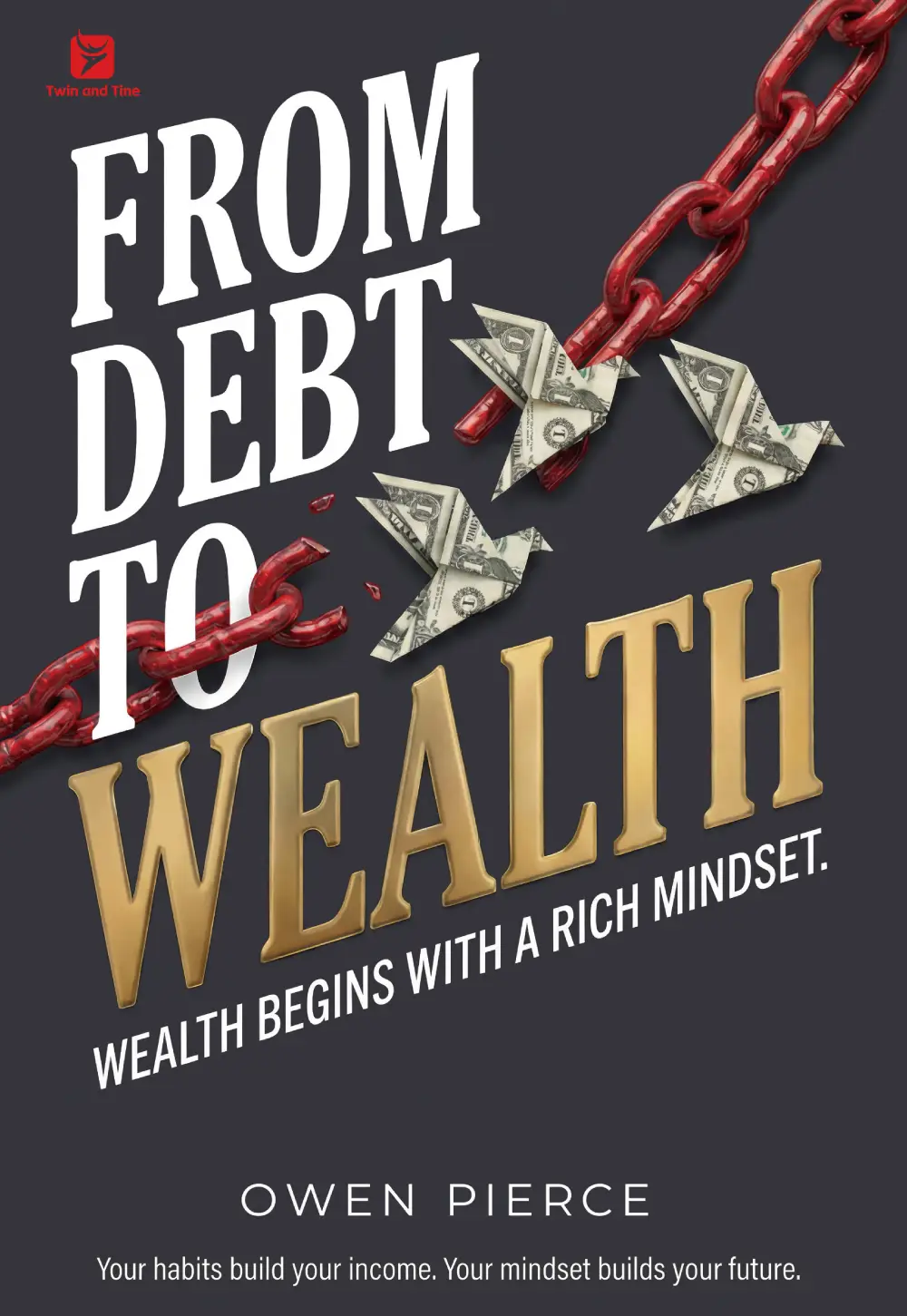
1. From Debt to Wealth by Owen Pierce
The foundation: rethink what money actually is.
Most people approach money the same way their parents did: work hard, earn a paycheck, buy things, repeat. That path no longer leads to wealth. It leads to a treadmill.
Pierce’s book is built on a simple premise: wealth is not compensation for effort. It is compensation for cognition. The people who build wealth in 2026 are not working more hours. They are making their money work for them. They are leveraging resources. They are building systems, not just earning salaries.
The book covers why most people stay stuck in the earning-spending cycle. Why luxury is often a trap. Why the poor seek comfort while the wealthy embrace discomfort. And how to stop trading time for money.
For anyone who wants to stop running on the treadmill.
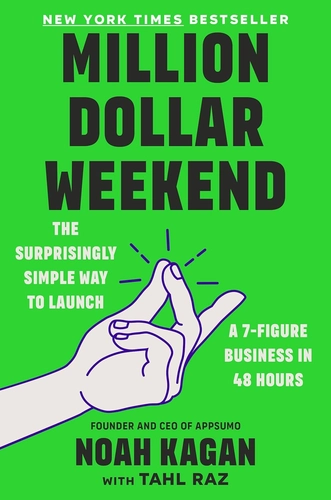
2. Million Dollar Weekend by Noah Kagan
How to start a business in 2026 without quitting your job.
Kagan is the founder of AppSumo, and this book is built around a simple idea: you do not need a perfect business plan or years of preparation. You need a weekend. He walks you through how to validate a business idea, get your first customer, and start generating revenue—all before Monday.
Most people never start because they think they need more time, more money, more expertise. Kagan shows you that what you actually need is to take action. The book is full of practical exercises and examples from people who built real businesses quickly.
For anyone who has a business idea and has been waiting for the right time.
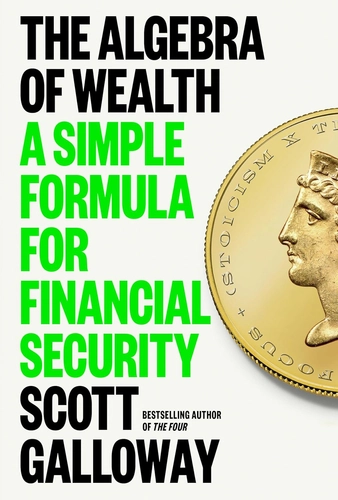
3. The Algebra of Wealth by Scott Galloway
A practical framework for building financial security in a chaotic world.
Galloway is a professor and entrepreneur who writes about the economy with unusual clarity. This book is about the math behind wealth. Not complex formulas. Simple principles: earn more than you spend, invest the difference, and do it consistently.
The book covers why most people struggle with money. They spend too much, save too little, and invest poorly. Galloway argues that the solution is not complicated—it is just uncomfortable. The book gives you a clear, practical framework for making better financial decisions.
For anyone who wants a clear, no-nonsense approach to building wealth.
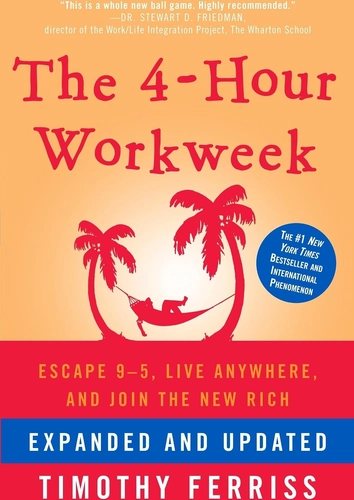
4. The 4-Hour Workweek by Tim Ferriss
How to escape the 9-to-5 and build a lifestyle that supports wealth.
This book has been around for a while, but its ideas are more relevant than ever. Ferriss argues that the traditional path—work hard for decades, then retire—is outdated. You can build wealth and freedom now by designing your work around your life, not the other way around.
The book covers how to automate income, outsource tasks, and build businesses that do not require your constant presence. It is not for everyone. But for people who want to make money without being tied to a desk, it is a blueprint.
For anyone who wants to build income streams that work without their constant attention.
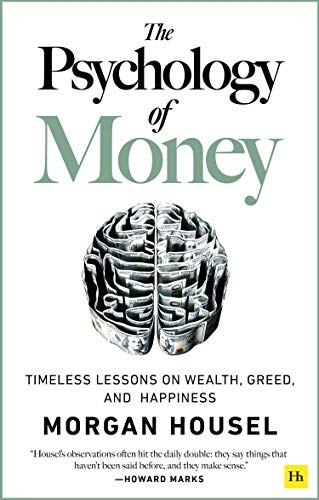
5. The Psychology of Money by Morgan Housel
Why behavior matters more than knowledge.
You probably know what you should do with money. Save more. Invest consistently. Spend less. The problem is not knowing. The problem is doing.
Housel’s book is about the psychology behind financial decisions. Why we compare ourselves to others. Why we take unnecessary risks. Why we struggle to save. Why we think short-term when wealth rewards long-term thinking. It is not a how-to book. It is a why-we-do-what-we-do book. And understanding that is the foundation for every other book on this list.
For anyone who knows what to do but cannot seem to actually do it.
These five books each offer a different angle on making money in 2026. Pierce gives you the foundational mindset shift. Kagan shows you how to start a business quickly. Galloway gives you a practical framework. Ferriss shows you how to escape the 9-to-5. Housel explains why behavior matters more than knowledge.
Frequently Asked Questions
If I can only read one, which should it be?
If you are completely stuck and do not know where to start, From Debt to Wealth. It rewires how you think about money before you do anything else. The other books give you tactics—this one gives you the foundation.
What is the biggest mistake people make when trying to build wealth?
Waiting. Most people wait for the perfect moment, the perfect idea, the perfect amount of savings. That moment does not come. The people who build wealth start before they feel ready. Million Dollar Weekend is built around this idea.
Do I need to start a business to build wealth?
No. But you do need to stop trading your time for money. That means building systems, investments, or income streams that do not require your constant presence. Several books on this list cover how to do that—whether you start a business or invest in assets that grow over time.