Most people go through conversations hearing words and noticing tone. That is surface level.
The people who are actually good at reading others see something else. They notice when a tone shifts. They catch a pause that lasts a beat too long. They see the mismatch between what someone says and how their body responds. They are not psychic. They are just paying attention to the right things.
The two books below approach reading people from different angles. One teaches you to decode signals. One teaches you to understand the meaning behind them.
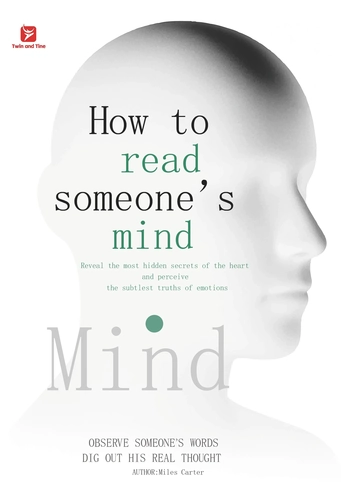
Art of Reading Minds by Henrik Fexeus
A practical, step-by-step guide to reading people through nonverbal cues.
Fexeus is a Swedish psychologist and mentalist trained in cognitive psychology. His book is for people who want to start reading others immediately—without memorizing hundreds of gestures.
He covers body language, facial expressions, tone of voice, and speech patterns. But the focus is not on isolated signs. It is on clusters and context. One gesture means little. Several together tell a story.
The book is practical and accessible. Each chapter introduces a technique and shows you how to apply it in real conversations. It walks you from the basics to more advanced observation skills.
For anyone who wants a hands-on, accessible introduction to reading people.
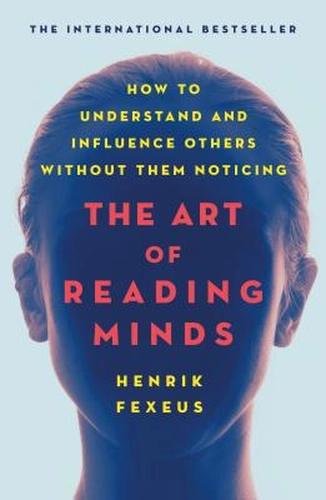
How to Read Someone’s Mind by Miles Carter
A framework for understanding what people are really communicating.
Carter’s book takes a different approach. It is not just about decoding signals. It is about understanding the patterns behind them.
He breaks reading people into four dimensions: the face, the body, the voice, and the context. You learn to combine what you see with where you see it. A forced smile in a job interview means something different than a forced smile at a party. The book trains you to read the complete picture.
It also emphasizes patterns over isolated moments. A single off gesture is nothing. A consistent shift in behavior tells you something real. Most people have patterns in how they communicate. When those patterns break, something has shifted underneath.
What makes this book valuable is the application. You are not just learning to observe. You are learning to interpret—and to act on what you see.
For anyone who wants to stop missing what people are really saying.
| The Art of Reading Minds | How to Read Someone’s Mind | |
|---|---|---|
| Focus | Decoding signals (what) | Understanding meaning (why + how) |
| Style | Practical, beginner-friendly | Framework-based, deeper interpretation |
| Best for | Those who want to start observing immediately | Those who want to truly understand others |
Frequently Asked Questions
Which book should I read first?
Start with The Art of Reading Minds if you are new to reading people and want a practical, hands-on introduction. Start with How to Read Someone’s Mind if you already notice things but want a framework for understanding what they mean.
Do I need to be naturally observant to read people well?
No. Observation is a skill you develop. People who are good at reading others are not born that way. They practiced paying attention to the right things. Both books teach you what to look for.