Most personal finance books start with a budget.
They assume your problem is that you do not know where your money is going. They give you spreadsheets. They tell you to track every purchase. They make you feel like the problem is discipline.
The problem is not discipline. The problem is how you think about money.
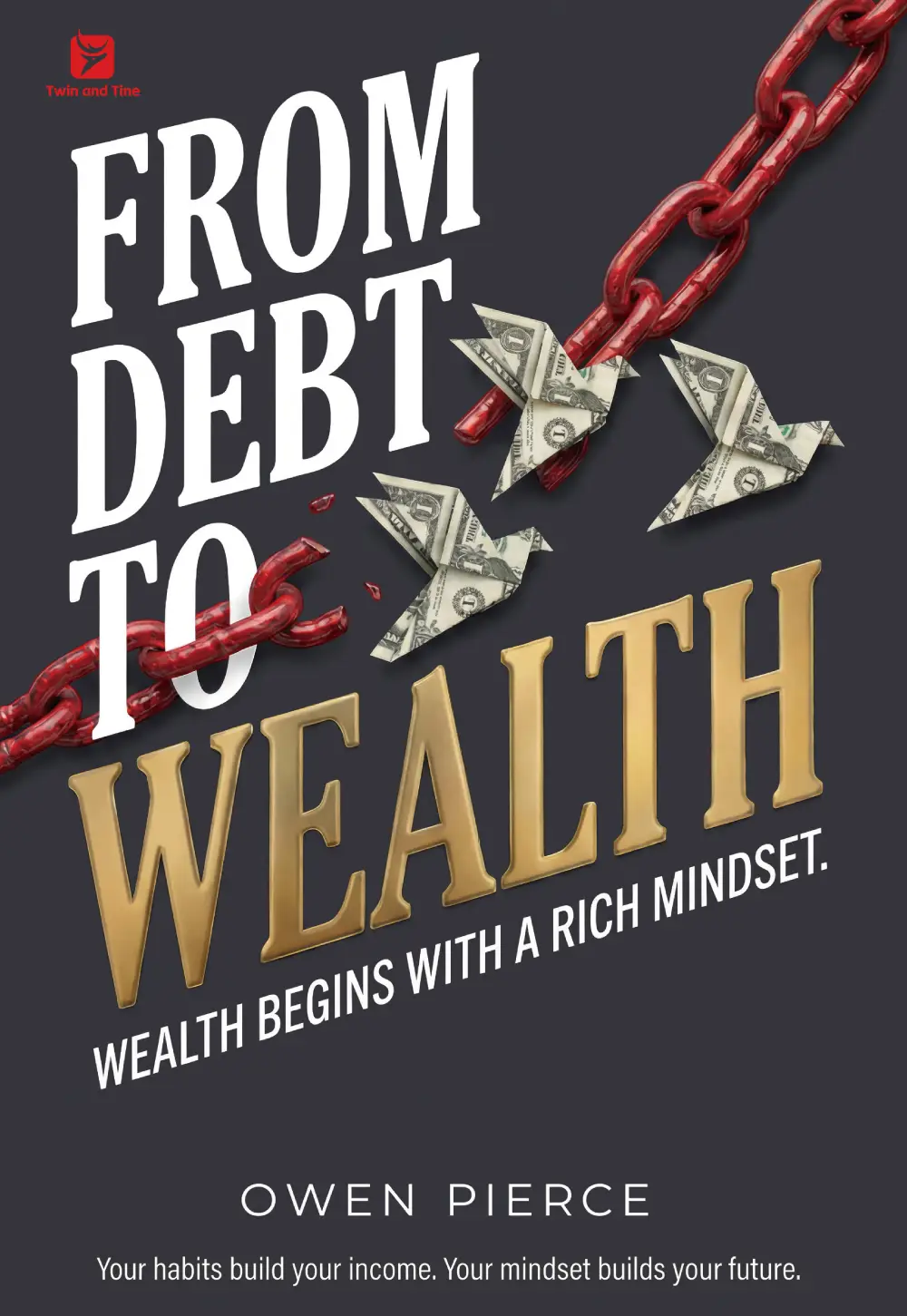
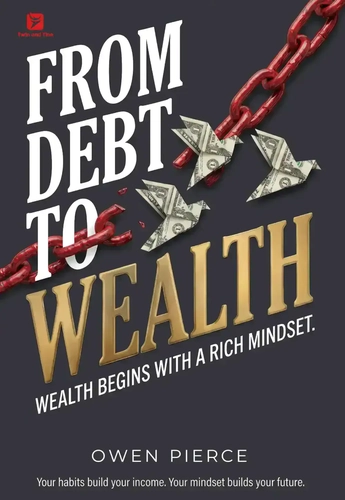
From Debt to Wealth is not a budgeting book. It is not about cutting coffee or canceling subscriptions. It is about something more fundamental: why you keep making the same financial choices, and what actually needs to shift for that to change.
This book is for specific people. Here is who it is for—and who it is not.
If You Earn More But Feel Poorer
You work hard. You get raises. Your income goes up. And somehow, you still end each month wondering where it all went.
This is not about how much you earn. It is about what happens when your income increases. Most people respond to a raise by upgrading their lifestyle. A better apartment. A nicer car. More dinners out. The expenses rise to meet the income. And you end up in the same place—just with nicer stuff.
The book explains why this happens and how to stop it. The shift is not about earning more. It is about making your money work for you instead of the other way around.
If you have ever said “I make good money, why am I still broke?”—this book is for you.
If You Have Tried Budgeting and Failed
You have tried to budget before. You downloaded the app. You tracked your spending for a few weeks. You felt in control. Then something happened—a car repair, a birthday, a moment of weakness—and you fell back into old habits.
Budgeting fails because it relies on willpower. Willpower is finite. Life is not. The people who build wealth are not more disciplined. They have designed their systems so discipline is not required.
The book covers how to build systems that work automatically. How to separate yourself from your money so you do not spend what you intend to save. How to make good decisions without having to make them every month.
If you have tried to budget and given up more than once—this book is for you.
If You Are Drowning in Debt
Credit cards. Student loans. Personal loans. Car payments. The monthly minimums add up. You make payments, but the balance barely moves.
The book explains the difference between good debt and bad debt. It walks you through how to eliminate bad debt while using good debt as leverage. It is not about cutting everything. It is about using the resources you have to build something that outlasts your paycheck.
If you feel like you will never get out of debt—this book is for you.
If You Want to Become the First Millionaire in Your Family
No one in your family has done it. Your parents lived paycheck to paycheck. Your grandparents did too. You do not have a financial blueprint to follow. You are figuring it out on your own.
The book covers the habits and thinking patterns of people who build wealth from nothing. It shows you how to copy proven strategies, focus on mastery, and build assets instead of buying liabilities. It is not about luck. It is about decisions.
If you want to break the cycle and build something your family has never had—this book is for you.
The Difference This Book Makes
Most books give you tactics. Spend less. Save more. Invest early. These are not wrong. They are just incomplete. They assume you already think about money the right way.
From Debt to Wealth gives you the foundation. It rewires how you see money, work, and freedom. It explains why the wealthy think differently—and how you can too.
If you are ready to stop trading time for money and start building something that works without you, this is where you start.
Frequently Asked Questions
Do I need to be good with numbers to benefit from this book?
No. This book is not about math. It is about mindset. The numbers follow the thinking.
Is this book only for people with high incomes?
No. It is for people who want to change their financial trajectory, regardless of where they start. The principles apply at any income level.
How is this different from other personal finance books?
Most books give you tactics. This book gives you the foundation. It explains why you keep making the same choices—and what actually needs to shift for that to change.