You have probably been in this situation.
You want to save. Your partner wants to spend. You see a purchase as unnecessary. They see it as deserved. You want security. They want freedom. You both want the same thing—a good life—but you have completely different ideas about how to get there.
Money is one of the most common sources of conflict in relationships. It is not about the money itself. It is about what money means to each person. One partner grew up in a household where money was scarce and unpredictable. The other grew up where money was abundant and freely spent. Those experiences shape how you think, feel, and react around money.
The three books below each approach this from a different angle. One helps you understand your own money script. One helps you navigate the emotional terrain of money conversations. One gives you the practical tools to handle the numbers side together.
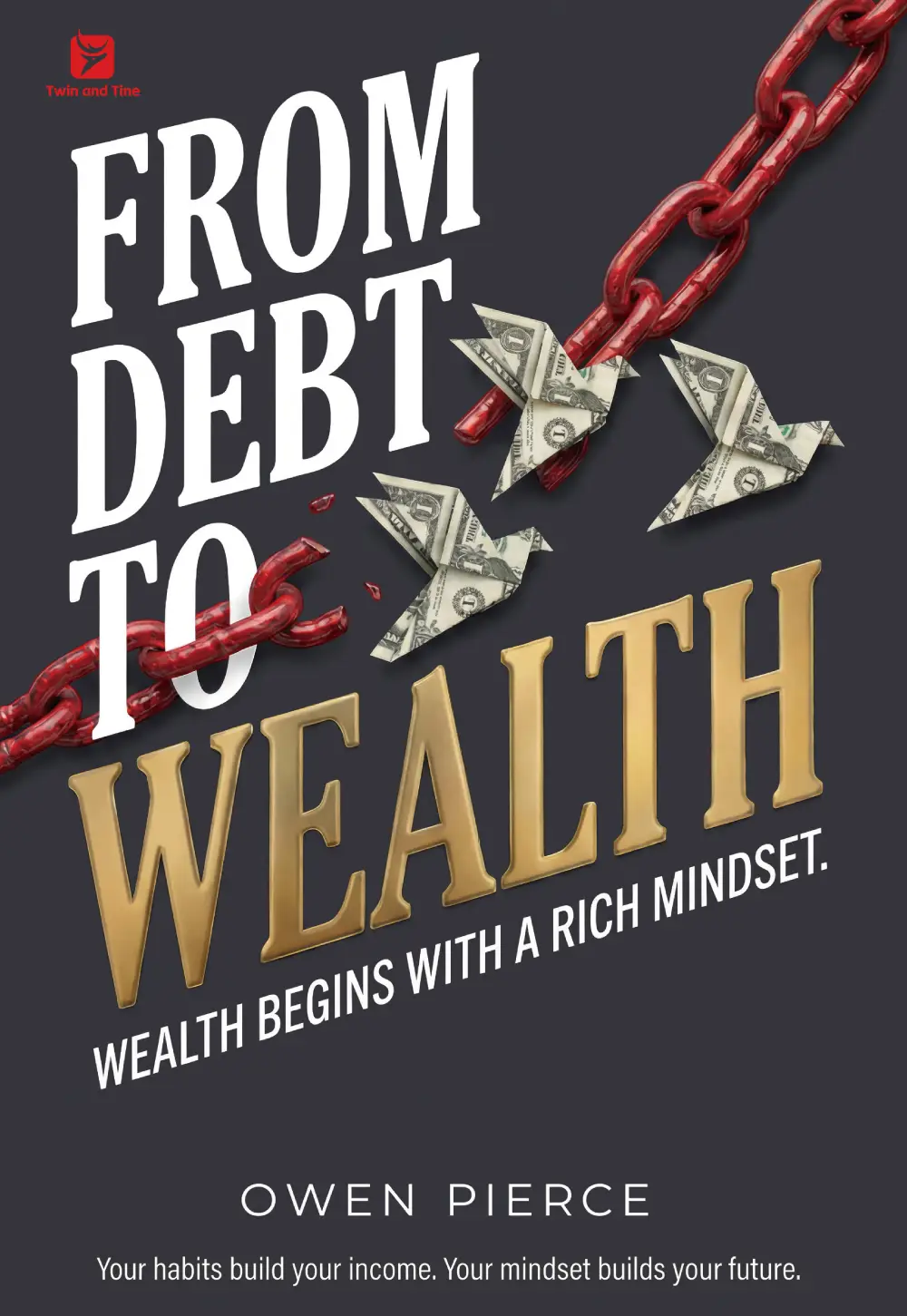
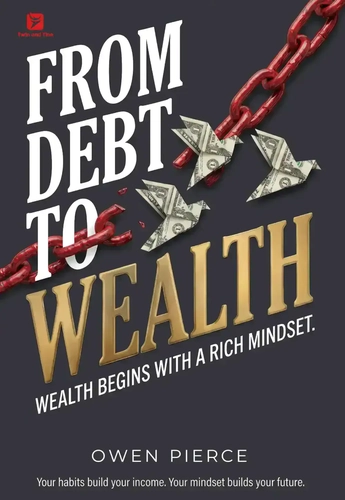
From Debt to Wealth by Owen Pierce
Before you can understand your partner, you need to understand yourself.
Most people do not know why they think about money the way they do. They just know how they feel. Anxious. Guilty. Confident. Dismissive. Those feelings come from somewhere.
Pierce’s book is not about relationships. It is about the cognitive framework that shapes your financial decisions. Why do you chase certain things and avoid others? Why does a raise feel like a trap? Why does spending feel like a relief or a burden?
The book explains the hidden patterns behind financial behavior: why people seek short-term comfort, why they avoid discomfort even when it leads to growth, and why the same habits keep producing the same results.
If you bring those patterns into a relationship without understanding them, you are not arguing about money. You are arguing about two unexamined histories that happen to involve money. This book helps you examine yours.
For anyone who has ever wondered why they feel the way they do about money.
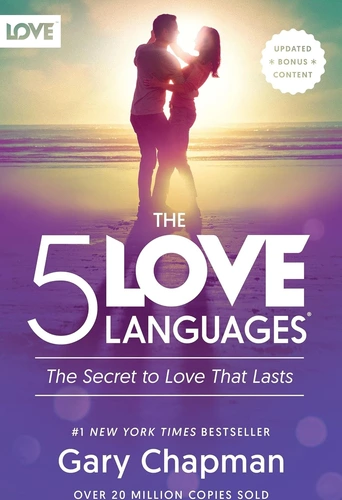
The 5 Love Languages by Gary Chapman
What if money conflicts are not about money—but about what money represents?
This book is not about finance. It is about how people feel loved and valued in relationships. But its framework applies directly to money conflicts.
One partner may feel loved when they receive gifts. Another may feel loved when they are given quality time. When money is tight, one partner feels deprived. The other feels relieved. The conflict is not about the money. It is about what the money is supposed to communicate.
Understanding your partner’s love language changes how you approach spending decisions. You start asking: “What is this purchase really about? Is it about the item, or is it about feeling seen and valued?”
For anyone who has ever felt like their partner sees money differently—and wonders if that means something deeper.
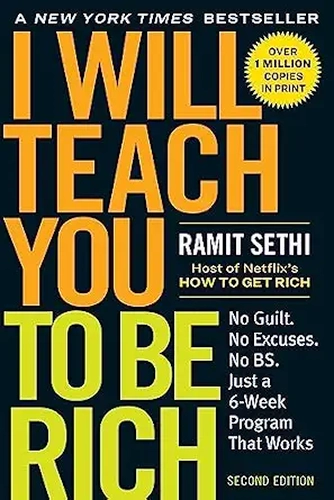
I Will Teach You to Be Rich by Ramit Sethi
Practical tools for having productive money conversations.
Sethi’s book is about personal finance. But it also includes specific guidance for couples who disagree about money. He covers how to have “conscious spending” conversations, how to set up joint accounts without conflict, and how to design a system that works for both partners.
The book includes realistic questions: How do you split expenses? Who pays for what? Do you combine finances or keep them separate? How do you handle different priorities—saving for a house vs. taking a vacation?
What makes this book valuable is the practicality. It does not just talk about the issue. It gives you scripts and systems to try. It assumes that disagreement is normal. The goal is not to agree on everything. The goal is to have a system that works anyway.
For anyone who wants practical tools for handling money conversations without fighting.
These three books each approach the problem from a different angle. Pierce helps you understand your own money script. Chapman helps you understand what money represents to your partner. Sethi gives you the practical tools to handle the conversations.
One focuses on you. One focuses on your partner. One focuses on the system.
Frequently Asked Questions
If I can only read one, which should it be?
Start with From Debt to Wealth. Before you can understand your partner, you need to understand yourself. The other books give you relationship tools and practical systems—this one gives you the foundation.
What is the biggest mistake couples make when dealing with money?
Assuming the other person thinks the same way about it. Most people project their own relationship with money onto their partner. They assume their partner is “bad with money” when the reality is just that they see it differently.
Can a saver and a spender ever make it work?
Yes. The key is not changing each other. It is designing a system that accounts for both perspectives. A saver needs to feel secure. A spender needs to feel they are not being controlled. Both can happen with the right setup.
| From Debt to Wealth | The 5 Love Languages | I Will Teach You to Be Rich | |
|---|---|---|---|
| Focus | Understanding your own money script | Understanding what money represents to your partner | Practical tools for money conversations |
| Best for | Self-awareness before working on the relationship | Recognizing the deeper meaning behind spending | Systems for handling joint finances |