In healthy families, the parent carries the emotional responsibility. In narcissistic family systems, the child is often expected to carry it instead.
This is one of the most painful realizations for many survivors: recognizing that they weren’t seen as a separate person — they were expected to reflect well on their parent. Healthy parenting nurtures individuality. Narcissistic parenting dynamics often prioritize image, control, and validation over the child’s emotional needs.
Here’s what that actually looks like.
Key Takeaways (At a Glance)
- In healthy families, the parent carries the emotional responsibility. In narcissistic families, the child is expected to carry it.
- A healthy parent nurtures individuality. A narcissistic parent sees the child as an extension of themselves.
- The child’s achievements become the parent’s achievements. The child’s mistakes become the parent’s embarrassment.
- A healthy parent helps their child become who they are. A narcissistic parent expects their child to become who they want them to be.
- Many adults who grew up with narcissistic parents believe love must be earned through achievement, perfection, or keeping everyone else happy.
In Healthy Families, the Parent Carries the Emotional Responsibility
A healthy parent understands that their child is an entirely separate human being. They have their own thoughts, feelings, opinions, interests, strengths, and weaknesses. A parent’s job is to nurture that individuality — even if it doesn’t perfectly align with their expectations.
A healthy parent also understands that becoming a parent means accepting that their children’s physical and emotional needs come before their own. That doesn’t mean parents never have needs. It means they don’t expect their child to be responsible for meeting them.
In Narcissistic Families, the Child Carries the Emotional Responsibility
Parents with narcissistic traits often reverse that dynamic. Instead of asking “what does my child need from me?” they may expect the child to manage their emotions, protect their self-esteem, and avoid doing anything that might upset or embarrass them.
Instead of viewing the child as a separate person, they may view the child as an extension of themselves. The child’s achievements become their achievements. The child’s mistakes become their embarrassment.
Because of that, they may believe that everything the child does reflects directly onto them. If the child gets a bad grade, disagrees with them, expresses a different opinion, sets a boundary, or simply behaves in a way that they think makes them look bad, the parent may react with criticism, shame, anger, or emotional punishment.
Not because they’re focused on meeting the child’s needs. But because they’re focused on how they feel they are being perceived by other people.
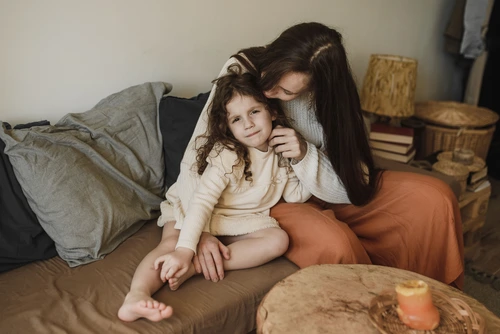
Love Becomes Conditional
Over time, the child learns that keeping the parent emotionally regulated is more important than expressing their own feelings, making mistakes, or developing into their authentic self. The parent’s emotional needs consistently take priority over the child’s.
That’s why many adults who grew up with narcissistic parents often believe that love has to be earned through achievement, perfection, or keeping everyone else happy.
A healthy parent helps their child become who they are. A narcissistic parent often expects their child to become who they want them to be.
The Painful Realization
One of the most painful realizations for many survivors is recognizing that they weren’t seen as a separate person. They were expected to reflect well on their parent. They were expected to manage their parent’s emotions. They were expected to perform.
But you weren’t born to perform. You were born to be you. The love you gave was never meant to be transactional. And the people who truly love you won’t need you to earn it.
What This Means for You
If any of this feels familiar, you’re not alone. And more importantly, none of this was your fault. You didn’t make your parent who they were. You didn’t cause their emotional instability. You didn’t deserve to be treated as an extension of someone else.
Healing means accepting that you don’t have to earn love — you just have to be yourself. It means unlearning old patterns. Reconnecting with the parts of you that were dismissed or punished.
From Surviving to Thriving: The Book That Can Help You Heal
From Surviving to Thriving helps you understand the patterns that were set in childhood and gives you practical steps to break free from them. It teaches you that you are not broken — you were just taught the wrong lessons.
You don’t have to keep earning love. You don’t have to keep performing. You can finally rest.
FAQ
Q: What’s the difference between a healthy parent and a narcissistic parent?
A: A healthy parent sees their child as a separate person with their own needs. A narcissistic parent sees the child as an extension of themselves and expects the child to meet their emotional needs. One nurtures individuality. The other demands conformity.
Q: Why do children of narcissistic parents feel like love must be earned?
A: Because they grew up in an environment where love was conditional. They were rewarded for performing — and punished for being themselves. Over time, they learned that their value depended on how well they fulfilled their parent’s expectations.
Q: Can a parent with narcissistic traits ever change?
A: Change is possible, but it requires self-awareness and a willingness to do the work. Many people with narcissistic traits don’t see the problem. They don’t seek help. The healing often starts with the child, not the parent.
Q: How do I stop feeling responsible for other people’s emotions?
A: Start by recognizing that you are not responsible for how others feel. You can care about their feelings without being responsible for managing them. Setting boundaries is the first step. Unlearning the habit takes time.
Q: Is it possible to heal from growing up with a narcissistic parent?
A: Yes. It’s not easy, and it takes time. But many people have healed from this wound and gone on to build healthy relationships with themselves and others. The first step is understanding what happened to you.
