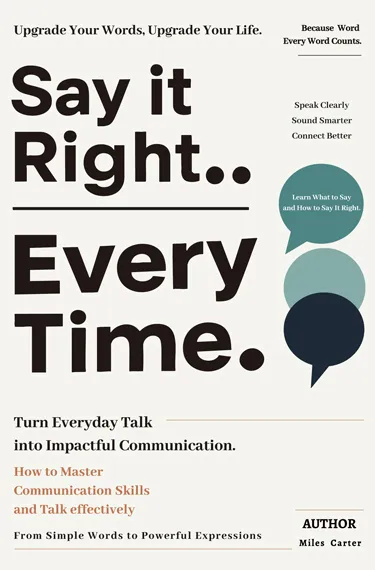
Parenting is not only about teaching children what to do.
It is also about understanding who they are.
Every parent wants to raise a happy, confident, and emotionally healthy child.
But in daily life, it can be difficult to stay patient when children have big emotions, challenging behaviors, or different needs.
Many parents find themselves asking:
“Am I responding in the right way?”
“How can I communicate better with my child?”
“How can I create a stronger relationship?”
The best parenting books do more than provide advice.
They help parents understand emotions, communication, connection, and the long-term impact of everyday interactions.
If you want to become a more thoughtful and connected parent, these books are worth exploring.
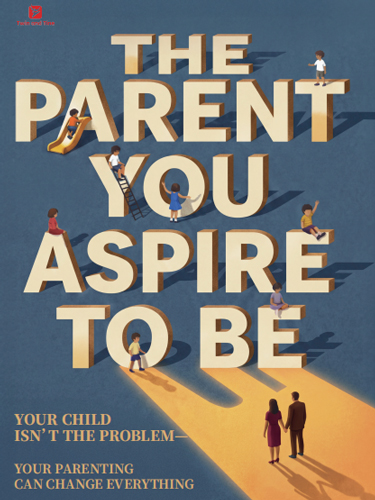
The Parent You Aspire to Be by Miles Carter
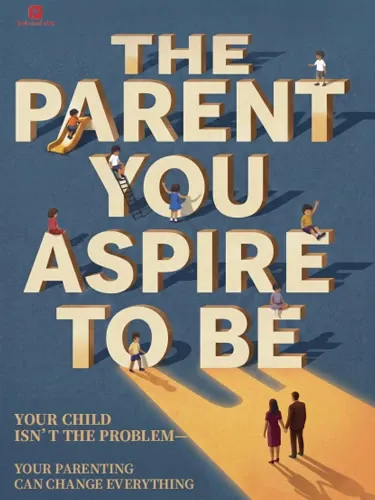
Best for building a more intentional parenting approach
Many parents want to do better but are unsure where to start.
The Parent You Aspire to Be by Miles Carter focuses on helping parents reflect on their parenting style and create stronger emotional connections with their children.
The book explores:
- Understanding your child’s emotional needs
- Becoming more patient and present
- Improving parent-child communication
- Creating a supportive family environment
Rather than focusing only on discipline, the book encourages parents to think about the kind of relationship they want to build.
For parents who want to grow alongside their children, this book offers practical guidance for becoming the parent they hope to be.
How to Talk So Little Kids Will Listen by Joanna Faber and Julie King
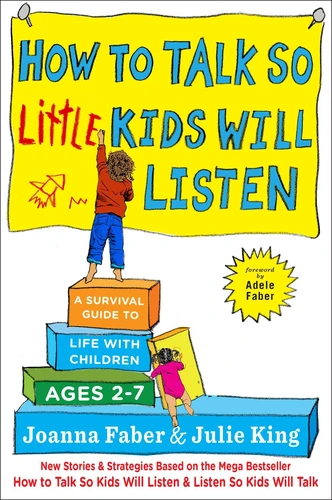
Best for improving everyday communication
Many parenting challenges come from communication struggles.
Children may not always have the words to express their feelings, and parents may find it difficult to respond effectively.
How to Talk So Little Kids Will Listen provides practical communication strategies for handling everyday parenting situations.
The book helps parents:
- Understand children’s emotions
- Reduce unnecessary conflicts
- Encourage cooperation
- Respond with more empathy
It is especially helpful for parents who want calmer conversations at home.
The Whole-Brain Child by Daniel J. Siegel and Tina Payne Bryson
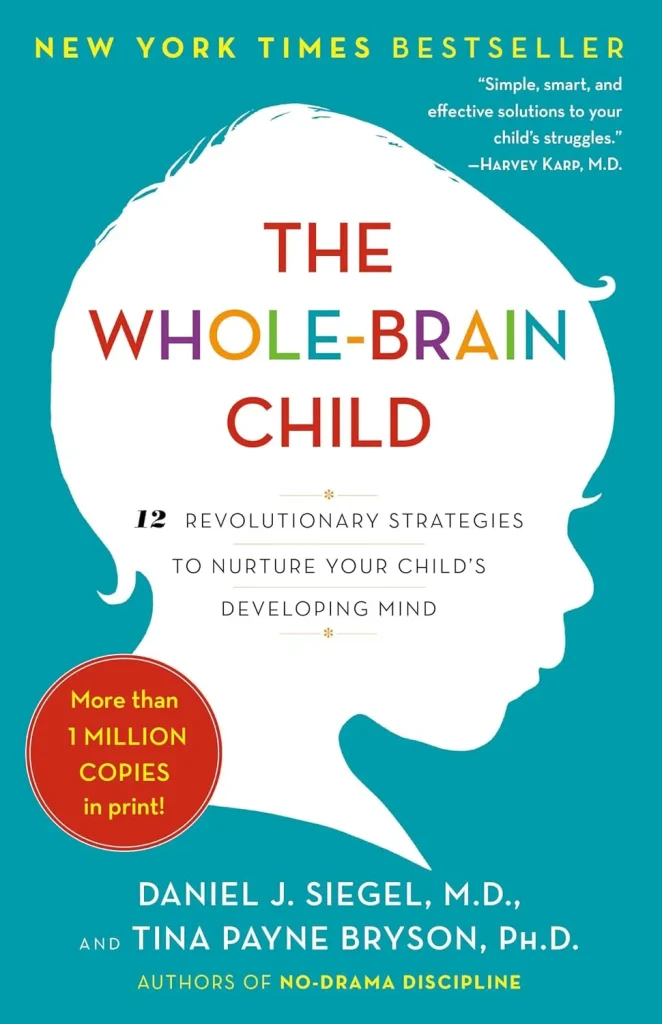
Best for understanding children’s emotions and development
Children’s reactions can sometimes seem confusing.
A child may have a strong emotional response that feels bigger than the situation.
The Whole-Brain Child explains how children’s brains develop and how parents can support emotional growth.
The book explores:
- Helping children manage emotions
- Understanding behavioral responses
- Building emotional intelligence
- Supporting healthy development
It gives parents a deeper understanding of what happens inside a child’s mind.
No-Drama Discipline by Daniel J. Siegel and Tina Payne Bryson
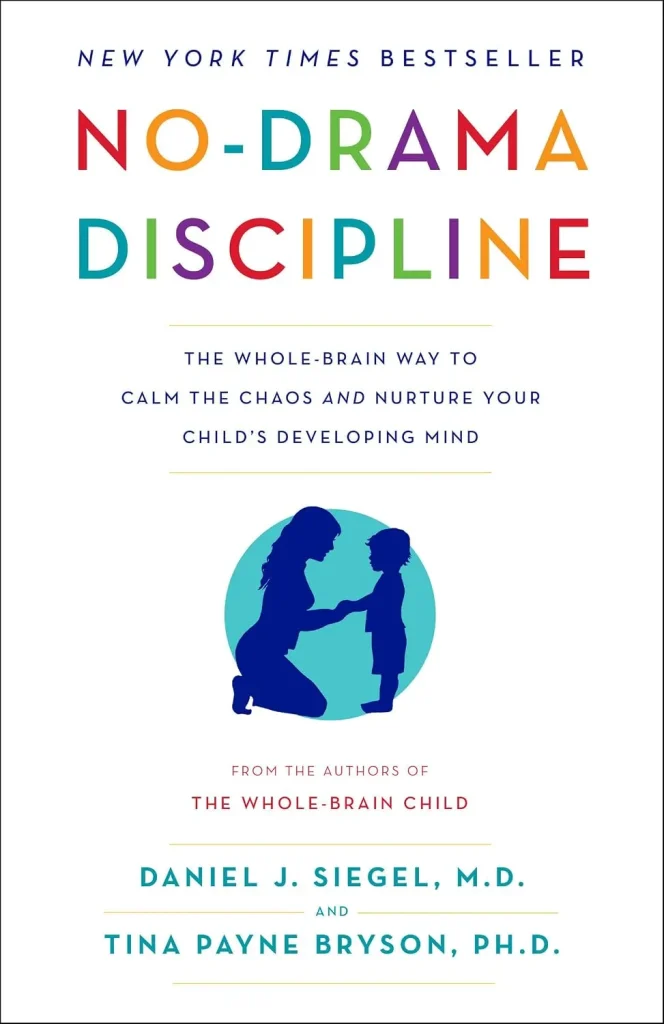
Best for handling discipline with connection
Discipline does not have to mean punishment.
Many parents are looking for ways to guide children while maintaining trust and connection.
No-Drama Discipline explores how parents can respond to challenging behaviors while supporting emotional development.
The book focuses on:
- Understanding the reasons behind behavior
- Teaching rather than punishing
- Building cooperation
- Strengthening the parent-child relationship
It is useful for parents who want discipline strategies based on connection.
Hunt, Gather, Parent by Michaeleen Doucleff
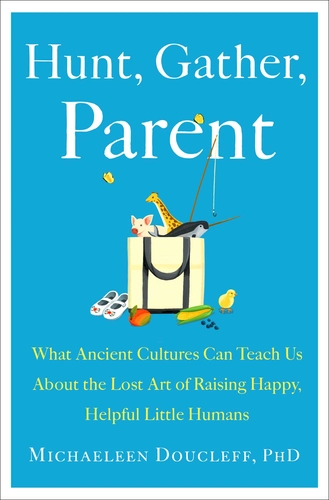
Best for exploring different parenting perspectives
Parenting approaches vary across cultures and families.
Hunt, Gather, Parent explores lessons from different communities and how they approach raising children.
The book discusses:
- Encouraging independence
- Reducing daily conflicts
- Creating stronger family relationships
- Rethinking common parenting habits
It offers parents a fresh perspective on raising children with more patience and connection.
What Makes a Strong Parent-Child Connection?
A strong relationship is built through everyday moments.
Being Emotionally Available
Children need to feel seen, heard, and understood.
Listening Before Reacting
Taking time to understand your child’s perspective can improve communication.
Creating Trust Through Consistency
Children feel safer when they know their parents are reliable and supportive.
Why The Parent You Aspire to Be Is Worth Reading
Many parenting books focus on specific challenges, such as discipline, communication, or child development.
The Parent You Aspire to Be by Miles Carter focuses on the bigger picture:
How can parents continue growing while creating a healthier relationship with their children?
The book helps parents:
- Reflect on their parenting choices
- Understand emotional connection
- Improve communication habits
- Create a more supportive home environment
For parents who want to become more patient, aware, and connected, this book offers practical guidance for personal growth and family relationships.
Final Thoughts
Being a great parent does not mean being perfect.
It means being willing to learn, adjust, and grow.
The right parenting books can help you understand your child better and create stronger connections through everyday interactions.
If you want to build a more meaningful relationship with your child, The Parent You Aspire to Be by Miles Carter is a valuable book to explore.