You have probably asked yourself this. You know you should save more, spend less, invest earlier. But something keeps you stuck. You earn more, yet you still feel behind. You know the numbers, but your habits do not change.
Shifting your money mindset is not about reading a single book or hearing the right piece of advice. It is about undoing years of habits, beliefs, and emotional responses you did not even know you had.
If you are ready to change how you think about money, here are three books that will help you do exactly that.
3 Books That Will Change Your Money Mindset
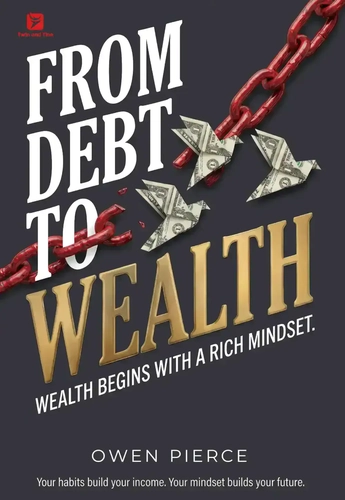
1. From Debt to Wealth by Owen Pierce
What if your financial problems are not about what you earn—but about how you think?
Most people believe wealth is a reward for hard work. Work more hours. Earn a bigger paycheck. Buy things that signal success. And end up deeper in debt.
Pierce flips this. Wealth is not compensation for effort. It is compensation for cognition. It comes from making money work for you, not trading time for income. It grows when you invest in yourself, leverage resources, and build assets instead of buying liabilities.
The book explains why a salary is a starting point, not a destination. Why luxury drains wealth instead of building it. Why the poor seek comfort while the wealthy embrace discomfort. And why the fastest path to financial freedom is not a bigger paycheck—it is a better system.
For anyone who has ever asked “why do I earn more but feel poorer?”
2. The Psychology of Money by Morgan Housel
Why does knowing what to do with money not translate into actually doing it?
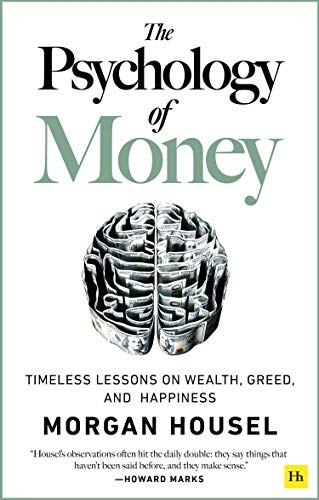
Housel’s book is built on a simple truth: managing money is not about intelligence. It is about behavior. You can be a genius and still make terrible financial choices. You can have no formal training and build lasting wealth.
The book covers the biases that keep people stuck. Why we compare ourselves to others. Why we take unnecessary risks. Why we struggle to save. Why we think short-term when money rewards long-term thinking.
One of the most powerful insights is about compounding. Wealth is not about making big moves. It is about making small, consistent choices over long periods of time.
For anyone who knows what to do but cannot seem to actually do it.
3. Think and Grow Rich by Napoleon Hill
What if the first step to wealth is not about money at all?
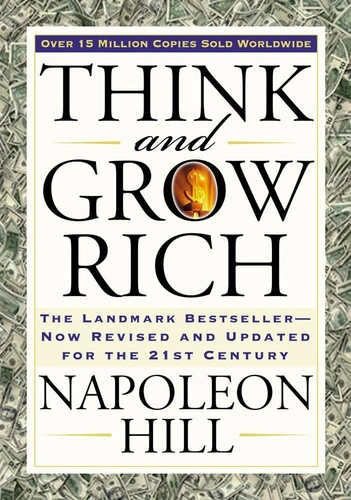
This is the book that started the conversation about money mindset. Hill spent decades studying the most successful people of his era to understand what they had in common. His conclusion: wealth starts in the mind.
The book covers the role of desire, faith, persistence, and specialized knowledge. It is not a personal finance book. It is a mindset book. And its principles still apply.
For anyone who wants to understand the foundational psychology behind wealth.
These three books each approach the money mindset from a different angle. Pierce rewires how you think about wealth. Housel explains the psychology behind your financial decisions. Hill gives you the foundational mindset that has worked for generations.
Frequently Asked Questions
Can you really change how you think about money, or is it just how you are?
Yes. Your money mindset is not fixed. It was shaped by your upbringing, experiences, and environment. And it can be reshaped. The first step is awareness—which is exactly what these books give you.
What is the single biggest shift that happens when you change your money mindset?
You stop seeing money as something you earn and start seeing it as something you build. You stop trading time for income and start making your money work for you.
If I can only read one, which should it be?
If you feel stuck and do not know where to start, From Debt to Wealth. It gives you the foundation. The other books build on it.
| Best for | |
|---|---|
| From Debt to Wealth | Rethinking what money actually is |
| The Psychology of Money | Understanding your financial behavior |
| Think and Grow Rich | Understanding the psychology behind wealth |
Three books that will change how you think about money—starting today.
