Many parents begin their parenting journey with the hope of giving their children a better childhood than the one they experienced.
They want to be more patient.
They want to communicate more openly.
They want their children to feel supported and understood.
However, parenting is often influenced by more than personal intentions. Our childhood experiences can quietly shape the way we respond to our own children.
The way we experienced love, discipline, communication, and conflict as children may influence how we handle similar situations as parents.
Sometimes we repeat patterns without realizing it.
Other times, we overcorrect because we want to avoid giving our children the same experiences we had.
Understanding how childhood affects parenting is an important step toward becoming a more intentional and emotionally aware parent.
Many parenting books explore this connection between personal growth and family relationships. These books can help parents recognize old patterns, develop healthier responses, and build stronger connections with their children.
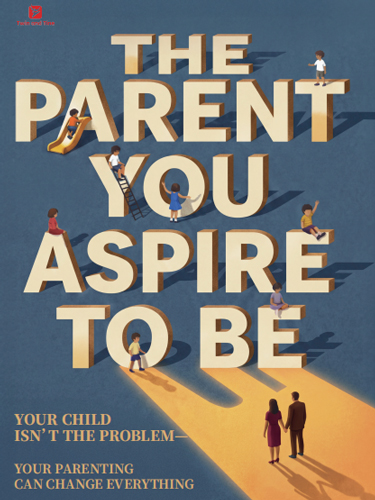
The Parent You Aspire to Be by Miles Carter
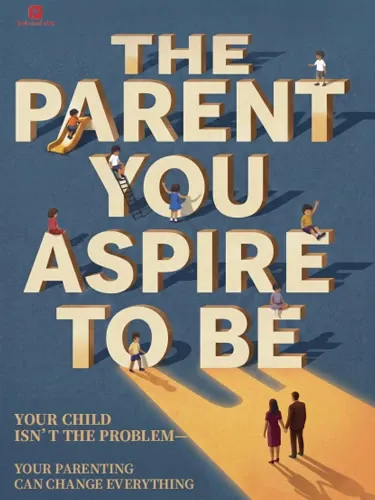
Best for understanding your own parenting patterns
Before parents can change the way they raise their children, they often need to understand themselves first.
The Parent You Aspire to Be by Miles Carter focuses on the emotional journey of becoming a better parent by exploring self-awareness, communication, and personal growth.
The book encourages parents to reflect on questions such as:
- How did my childhood experiences influence my parenting style?
- Why do certain situations trigger strong emotional reactions?
- What values do I want to pass on to my children?
- How can I create a healthier family environment?
Many parenting challenges are connected to patterns that have been passed down through generations.
A parent who grew up with strict discipline may struggle between setting boundaries and being too controlling.
A parent who experienced emotional distance may want to create more connection but may not always know how.
The Parent You Aspire to Be helps parents recognize these patterns and make more conscious choices.
Instead of simply repeating what they experienced, parents can begin creating the kind of relationship they truly want with their children.
The Book You Wish Your Parents Had Read by Philippa Perry
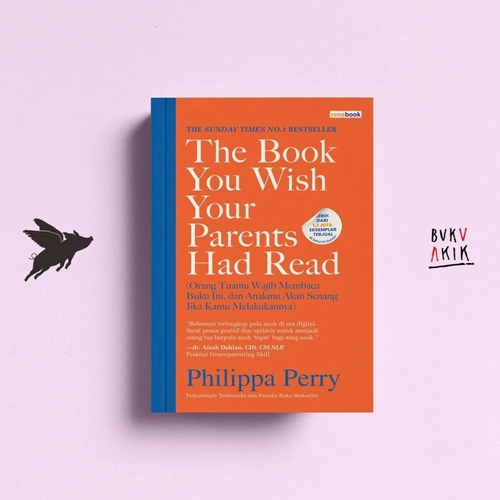
Best for understanding emotional patterns in relationships
Parenting is deeply connected to relationships.
The way adults communicate, handle conflict, and express emotions often comes from their own early experiences.
The Book You Wish Your Parents Had Read explores how emotional awareness can improve parent-child relationships.
The book helps parents understand:
- How childhood experiences influence adult behavior
- Why emotional connection matters in parenting
- How to communicate with greater empathy
- How to repair relationships after difficult moments
One of the most valuable ideas in the book is that parents do not need to be perfect.
They need to be willing to understand themselves and their children better.
This approach can help parents move away from guilt and toward growth.
Parenting from the Inside Out by Daniel J. Siegel and Mary Hartzell
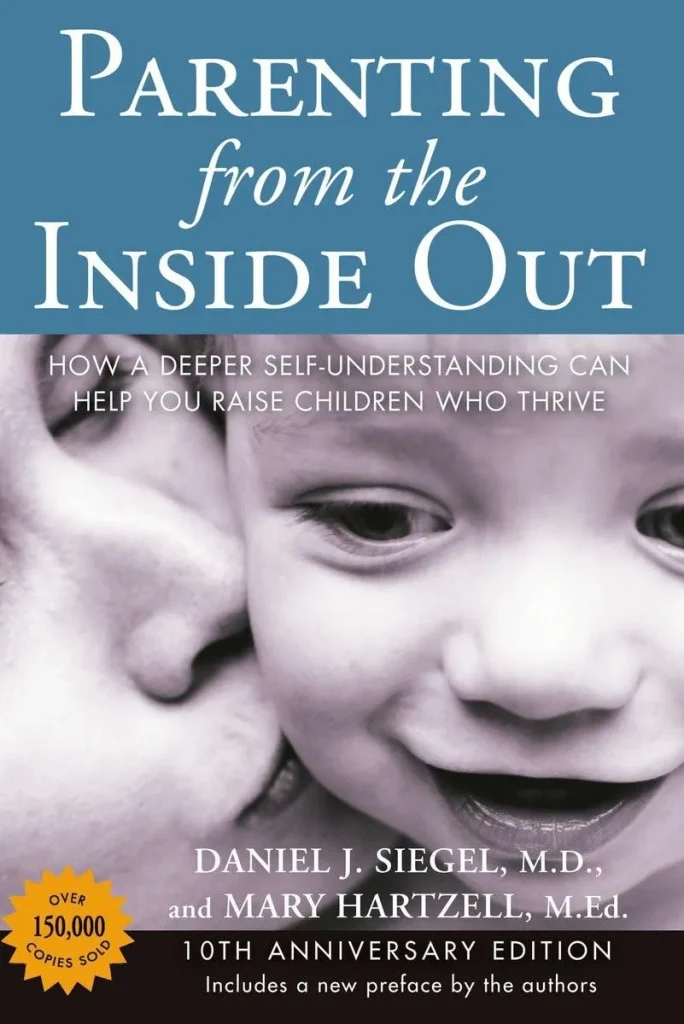
Best for exploring the connection between personal history and parenting
Many parents focus on what their children are doing.
However, understanding why parents react in certain ways can be equally important.
Parenting from the Inside Out examines how a parent’s own life experiences influence their relationship with their children.
The book explores:
- How memories shape parenting responses
- The connection between emotional awareness and family relationships
- How unresolved experiences can affect interactions
- Ways to create more balanced parenting approaches
By looking inward, parents can better understand their emotional responses.
This awareness can make it easier to pause, reflect, and choose healthier reactions during challenging moments.
Does this sound like you? There’s more to explore.
Explore the Collection →Awakening to Human Nature
Break the Anxiety Circle
Say it Right..Every Time.
The Parent You Aspire to Be
Why Childhood Experiences Influence Parenting
Our childhood does not completely determine who we become as parents.
But it can influence the beliefs and behaviors we bring into family life.
The Way We Handle Emotions
Children often learn emotional expression by observing adults.
If emotions were ignored during childhood, a parent may need to consciously learn new ways to acknowledge feelings.
The Way We Set Boundaries
Some parents repeat the discipline styles they experienced.
Others avoid boundaries completely because they remember feeling restricted.
Finding a balanced approach requires awareness.
The Way We Show Love
People often express love in ways that feel familiar to them.
Understanding different forms of emotional connection can help parents build stronger relationships with their children.
How to Break Unhealthy Parenting Patterns
Changing long-established patterns takes time.
It begins with noticing what is happening and choosing a different response.
Parents can start by:
Recognizing Emotional Triggers
Certain situations may create stronger reactions because they connect with past experiences.
Identifying these moments can help parents respond more calmly.
Reflecting Before Reacting
A pause between emotion and action creates space for better decisions.
Even a few seconds of awareness can change the direction of a conversation.
Creating New Family Traditions
Parents have the opportunity to create experiences that reflect their own values.
Small moments of kindness, listening, and connection can become meaningful memories for children.
Practicing Self-Compassion
Growth becomes easier when parents allow themselves to learn instead of focusing only on mistakes.
Becoming a better parent is a continuous process.
Parenting Growth Starts With Self-Understanding
Many people think parenting improvement begins with learning more about children.
While that knowledge is important, understanding yourself as a parent is equally valuable.
Your reactions, communication style, and emotional habits all influence the relationship you build with your child.
When parents become more aware of their own experiences, they gain more freedom to choose how they want to parent.
They can keep the lessons that serve their family and change the patterns that no longer help.
Why The Parent You Aspire to Be Is Worth Reading
The Parent You Aspire to Be by Miles Carter offers parents an opportunity to look beyond everyday parenting challenges and explore personal growth.
The book helps parents:
- Understand how their experiences shape their parenting choices
- Develop greater emotional awareness
- Build stronger communication with their children
- Create a more supportive family environment
For parents who want to break unhealthy cycles and become more intentional in the way they raise their children, this book provides thoughtful guidance.
Final Thoughts
Every parent carries pieces of their own childhood into their parenting journey.
Some experiences become valuable lessons.
Others become patterns that need to be changed.
The goal is not to erase the past.
It is to understand it and use that awareness to create healthier relationships in the present.
By becoming more conscious of how childhood affects parenting, parents can build a family environment based on understanding, connection, and emotional growth.
If you want to explore your own parenting patterns and become the parent you aspire to be, The Parent You Aspire to Be by Miles Carter is a meaningful book to read.