Many parents spend years trying to become “better” parents.
They read parenting advice.
They research educational methods.
They look for the right discipline strategies.
They want to make the best choices for their children.
But in the search for perfect parenting, one important element is sometimes overlooked:
Connection.
Children do not only need parents who provide answers. They need parents who make them feel understood, supported, and emotionally safe.
A strong emotional connection creates the foundation for trust, communication, and healthy development.
Parenting is not about avoiding every mistake.
It is about building a relationship where both parents and children can continue growing together.
Many modern parenting approaches emphasize that emotional connection matters more than perfection.
What Is Emotional Connection in Parenting?
Emotional connection refers to the sense of trust, understanding, and closeness between parents and children.
It develops when children feel:
- Their emotions are noticed
- Their thoughts are valued
- Their parents are available and supportive
- They can express themselves without fear
A connected relationship does not mean children never experience disappointment or boundaries.
Healthy parenting still requires guidance and structure.
The difference is that boundaries are built on trust rather than fear.
When children feel connected to their parents, they are often more willing to communicate, cooperate, and seek support during difficult moments.
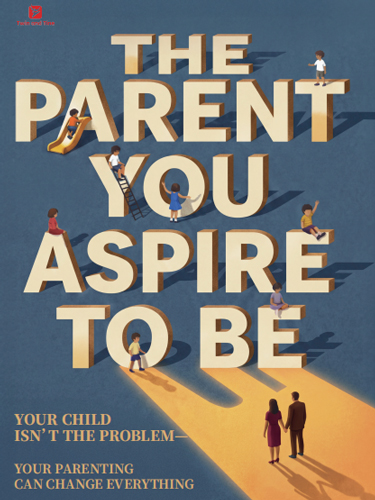
The Parent You Aspire to Be by Miles Carter

Best for parents who want to grow through emotional awareness
Becoming a connected parent starts with understanding yourself.
The Parent You Aspire to Be by Miles Carter explores the personal growth side of parenting and encourages parents to examine how their emotions, experiences, and communication styles influence family relationships.
The book focuses on:
- Becoming more aware of your parenting habits
- Understanding the emotions behind everyday conflicts
- Creating more meaningful conversations
- Building stronger relationships with children
Many parents focus on changing their children’s behavior.
However, lasting change often begins when parents understand their own reactions first.
A child’s difficult moment can become an opportunity for connection when parents respond with patience and awareness.
The book encourages parents to move away from the idea of being perfect and toward the goal of being present.
Why Perfect Parenting Is Impossible
The idea of perfect parenting can create unnecessary pressure.
Parents may worry about making mistakes or believe every challenge reflects a failure.
However, children do not need flawless parents.
They need parents who are willing to listen, repair, and grow.
Mistakes Can Become Learning Opportunities
Every parent loses patience sometimes.
What matters is what happens afterward.
Apologizing, explaining, and reconnecting can teach children valuable lessons about relationships.
Children Learn From Real Relationships
Children do not only learn from what parents say.
They learn from how parents handle emotions, disagreements, and challenges.
A parent who demonstrates self-awareness teaches children emotional skills.
Connection Creates Security
A child who feels emotionally supported develops a stronger sense of safety.
This foundation can influence confidence, communication, and future relationships.
Signs Your Child Needs More Emotional Connection
Sometimes children express their need for connection through behavior.
They may:
- Seek extra attention
- Become more emotional than usual
- Resist simple requests
- Avoid sharing their feelings
- React strongly to small situations
These behaviors are not always problems to eliminate.
They can be signals that a child needs more understanding and support.
Looking beyond behavior allows parents to respond to the underlying need.
How to Build Emotional Connection With Your Child
Emotional connection is created through everyday moments.
Parents do not need complicated strategies.
Small actions can make a meaningful difference.
Listen Without Immediately Fixing
Children often want to feel understood before they want solutions.
Taking time to listen shows that their feelings matter.
Validate Their Emotions
Acknowledging feelings does not mean agreeing with every action.
Parents can say:
“I understand why you feel upset.”
This helps children learn that emotions are normal and manageable.
Create Moments of Presence
Quality time does not always require special activities.
Simple conversations, shared routines, and small moments of attention can strengthen relationships.
Repair After Conflict
Conflict is part of every family relationship.
Learning how to reconnect after difficult moments teaches children that relationships can recover.
Emotional Connection Changes the Way Parents See Behavior
One of the biggest shifts in connected parenting is changing the question.
Instead of asking:
“How do I stop this behavior?”
Parents can ask:
“What is my child trying to communicate?”
This small change can create a completely different parenting approach.
A child’s frustration may become a chance to teach emotional regulation.
A disagreement may become an opportunity to practice communication.
A difficult moment may become a moment of deeper connection.
Why The Parent You Aspire to Be Is Worth Reading
Many parenting resources focus on specific techniques.
They explain how to handle sleep challenges, discipline issues, or communication problems.
The Parent You Aspire to Be by Miles Carter takes a broader approach.
It explores the kind of parent you want to become and how emotional awareness influences family relationships.
The book helps parents:
- Understand their own parenting patterns
- Strengthen emotional connections
- Communicate with greater intention
- Create a healthier family environment
For parents who want to move beyond the pressure of perfection and focus on building a meaningful relationship with their children, this book offers valuable insights.
Final Thoughts
Children do not need perfect parents.
They need parents who are present, caring, and willing to understand them.
The strongest family relationships are not built through perfection.
They are built through connection.
By focusing on emotional awareness, communication, and trust, parents can create relationships that support children throughout their lives.
If you want to explore a more connected approach to parenting, The Parent You Aspire to Be by Miles Carter is a valuable book to read.