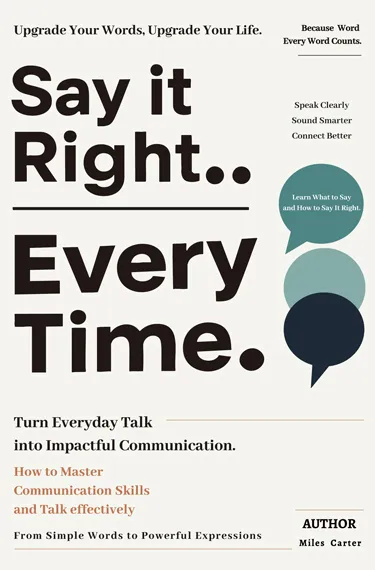
You know this person.
You share an idea. They push back. You offer a suggestion. They find a problem. You present a fact. They question the source. You try to agree on something. They shift the goalposts.
It is not that they are always wrong. It is that they are always opposed. Every conversation feels like a debate. Every decision feels like a negotiation. And you leave wondering: why?
The answer is rarely about the topic. It is about what is happening underneath. Some people disagree not because they have a better view, but because disagreement serves a purpose they may not even recognize.
The three books below help you understand what is really going on.
3 Books That Explain Why Some People Always Disagree With You
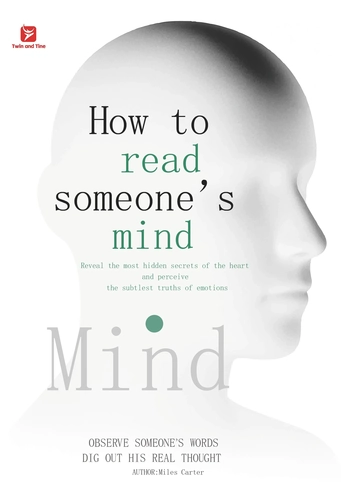
1. How to Read Someone’s Mind by Miles Carter
What is their disagreement really telling you?
Most people hear disagreement as a difference of opinion. Carter teaches you to read it as a signal. Disagreement is often not about the topic at all. It is about status, control, fear, or identity.
Someone who always pushes back may be protecting their sense of authority. Someone who finds fault with everything may be covering insecurity. Someone who refuses to agree may be performing a role they think they need to play.
Carter’s book trains you to see these patterns. You learn to read the face, the body, the voice, and the context. You distinguish between someone who genuinely sees things differently and someone who is stuck in a pattern of opposition.
Once you see what the disagreement is really about, you stop taking it personally. You stop trying to win. You start understanding.
For anyone who has ever wondered why someone could not just agree.
2. Think Again by Adam Grant
Why do people hold on to views that do not serve them?
Grant is an organizational psychologist who studies how people think, change their minds, and influence others. His book argues that most people are trapped in a “preacher, prosecutor, or politician” mindset. They preach their views, prosecute the other side, and politic for approval.
People who always disagree are often stuck in one of these roles. They are not trying to find the truth. They are trying to defend their position. They have attached their identity to being right.
Grant shows you how to shift the conversation from “who is right” to “what is true.” He gives you practical techniques for engaging with someone who seems impossible to reason with.
For anyone who has ever tried to reason with someone who would not listen.

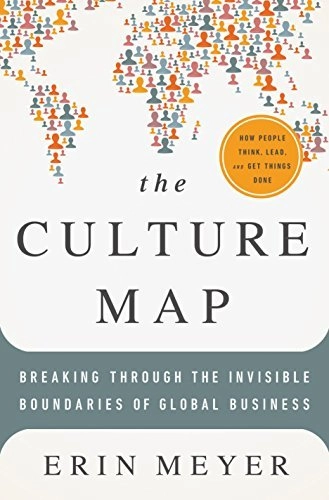
3. The Culture Map by Erin Meyer
What if they are not disagreeing—they are communicating differently?
Meyer is a professor who studies how culture shapes communication. She argues that people from different cultures have fundamentally different ways of arguing, persuading, and disagreeing.
In some cultures, disagreement is seen as disrespectful. In others, it is a sign of engagement. In some, direct confrontation is valued. In others, indirect communication is the norm.
If you have ever worked with someone from a different background and felt like they were always pushing back, Meyer’s framework will change how you see it. They may not be disagreeing with you. They may be communicating in the way they were raised to communicate.
For anyone who has ever been confused by someone from a different background who seemed impossible to agree with.
These three books each help you understand why some people always disagree with you. Carter helps you read the signal behind the argument. Grant helps you shift the conversation from “winning” to “understanding.” Meyer helps you see cultural differences that may explain what looks like opposition.
If you are tired of feeling like every conversation is a battle, start with the one that matches where you are stuck.
| Best for | |
|---|---|
| How to Read Someone’s Mind | Reading the signal behind the argument |
| Think Again | Shifting from winning to understanding |
| The Culture Map | Understanding cultural differences in communication |
Frequently Asked Questions
Why do some people always disagree, even when they are wrong?
Because being right is not the point. The point is often control, status, or identity. They are not defending their view. They are defending themselves.
Can I change someone who always disagrees?
You cannot change them. But you can change how you engage with them. You can stop taking it personally. You can ask different questions. You can shift the dynamic.
What is the most common mistake people make when dealing with someone who always disagrees?
They try to prove them wrong. That triggers defensiveness. The better approach is to ask: what are you afraid might happen if I were right?